Towns & cities
Greece is decided in its towns.
The ferry map gets the attention, but most of a Greek trip is settled in its towns: where you sleep, where you eat, and the place you come back to at the end of the day. This is every town, city and village in the guide, mainland and island, filtered by what actually matters.

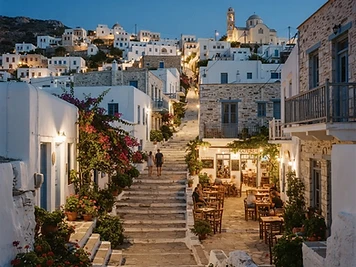
Apollonia
Sifnos has no coastal capital. Apollonia, its whitewashed hill town of lanes and squares, sits fifteen minutes inland from the ferry port.
“A working island town rather than a resort, and that is exactly why Sifnos still feels like itself. Base here, not on a beach road.”

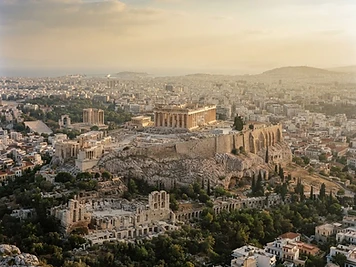
Athens
Greece's capital — the Acropolis, world-class museums, and a contemporary city that deserves more than a stopover.
“Don't treat Athens as the airport before the islands — two or three days here genuinely improves most Greece trips.”

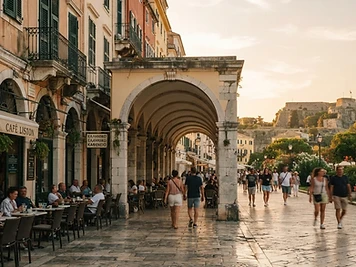
Corfu Town
Corfu's UNESCO old town, squeezed between two Venetian fortresses, with the arcaded Liston and the Campiello lanes at its centre.
“The one place in Corfu where the Venetian, French and British layers are all visible in a single afternoon walk. Stay inside the old town, not on the coast road.”
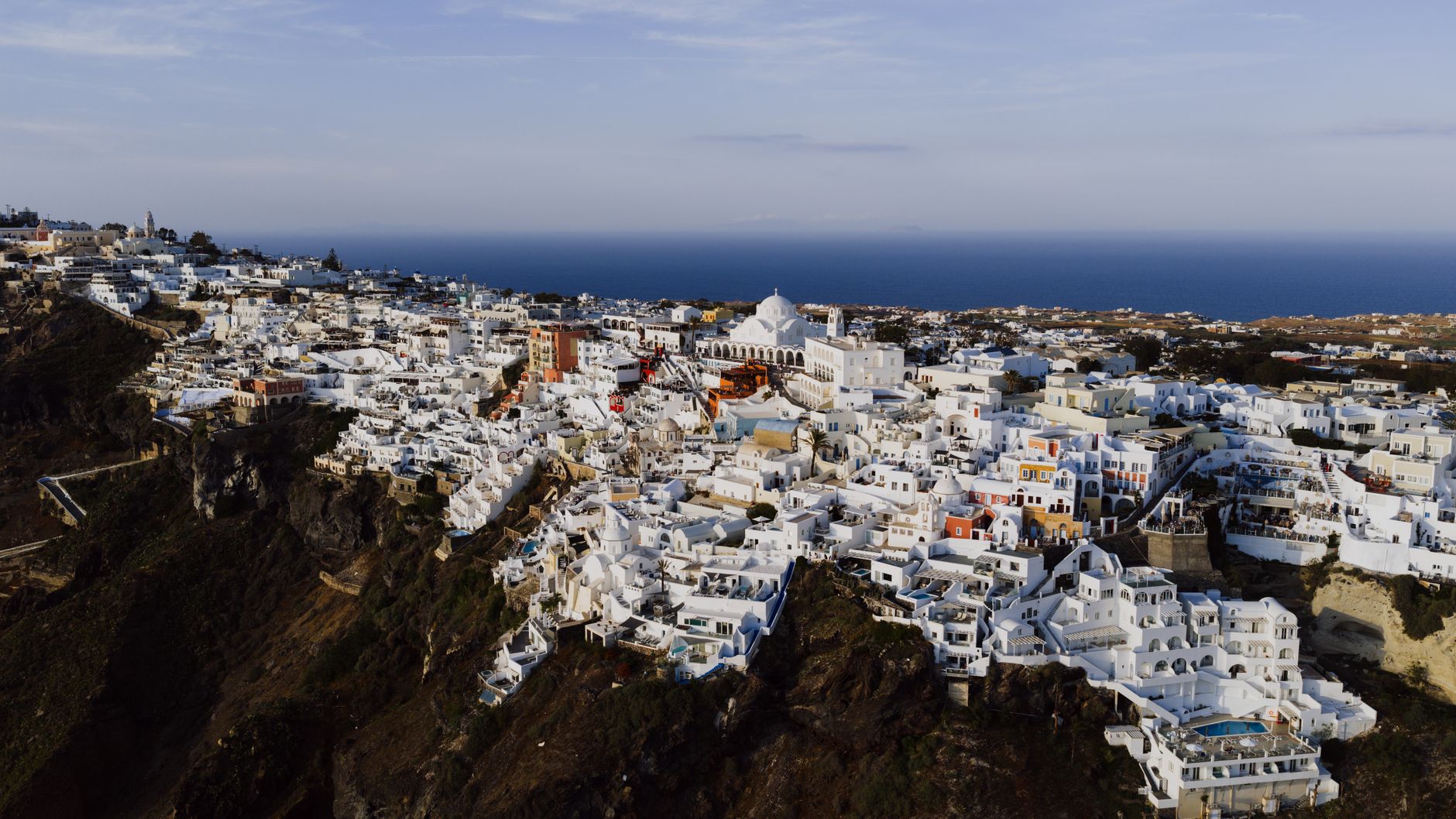
Fira
Santorini's clifftop capital, strung along the caldera rim with the cable car down to the old port and the island's bus hub below the view.
“Worth a day for the caldera view and the hub logistics, but stay in Oia or Imerovigli instead if you want the postcard without the crowds.”
Heraklion
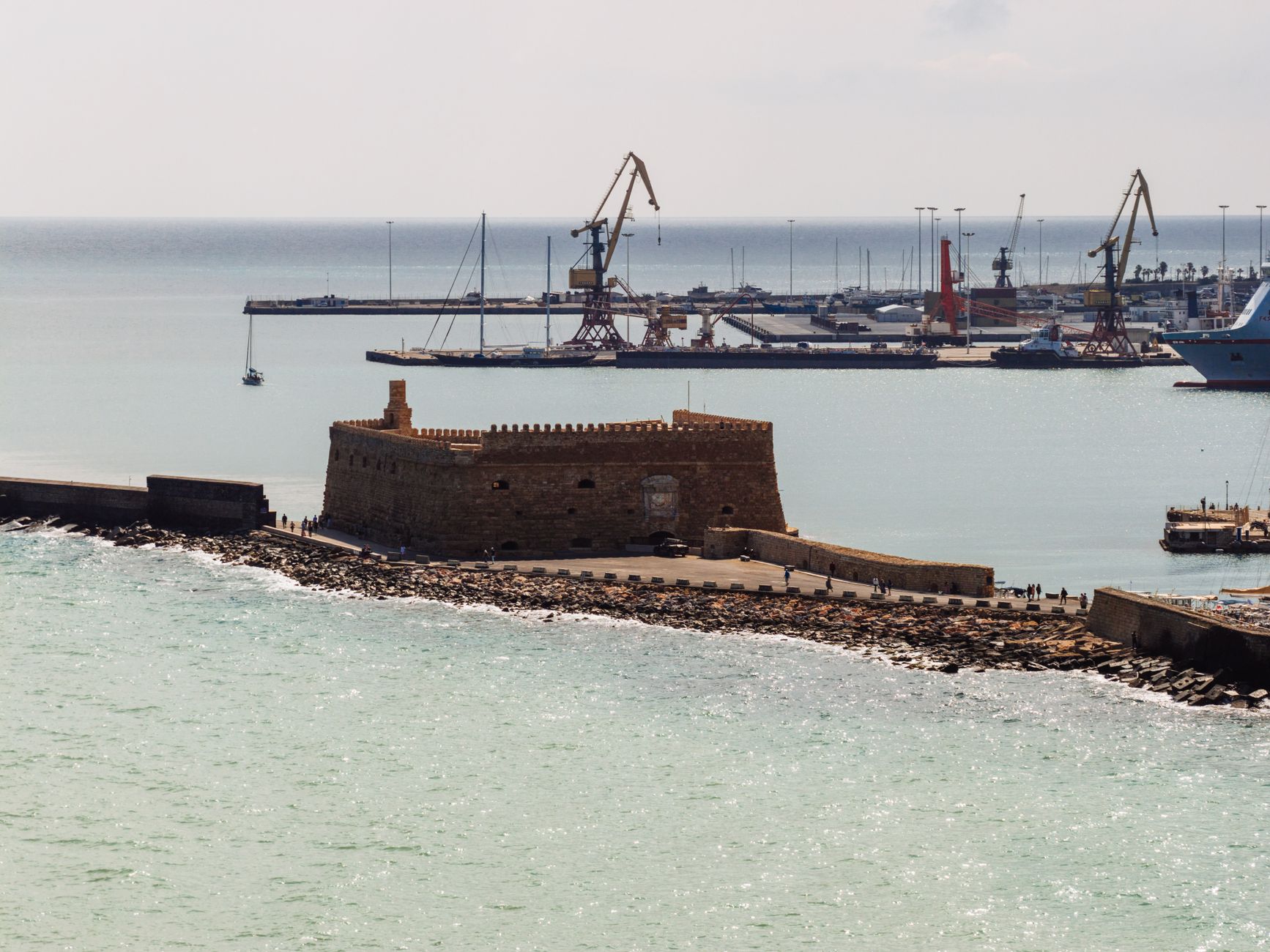
Crete's capital and busiest city, the gateway to Knossos, with a Venetian harbor fortress and a food scene that outperforms its looks.
“Worth a stay for the Archaeological Museum and food, not for beauty — it's a working city, not a postcard.”

Hydra Town
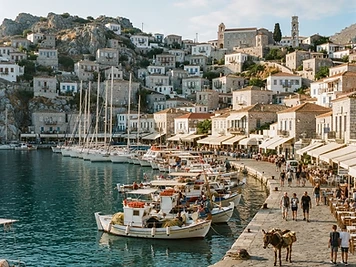
A car-free stone port town in an amphitheatre around its harbour, with captains' mansions from the island's shipping fortunes.
“It empties completely at five, when the day boats leave. That silence, and the swimming rocks beyond the port, are what you are paying for.”

Imerovigli
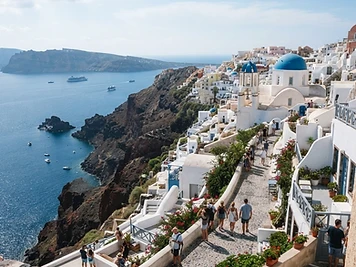
The caldera village on the highest point of the rim, between Fira and Oia, with the best view of the rock at Skaros.
“All the drama of Oia with a fraction of the foot traffic. Stay here, walk to Fira in half an hour, and go to Oia by bus once.”
Ioannina
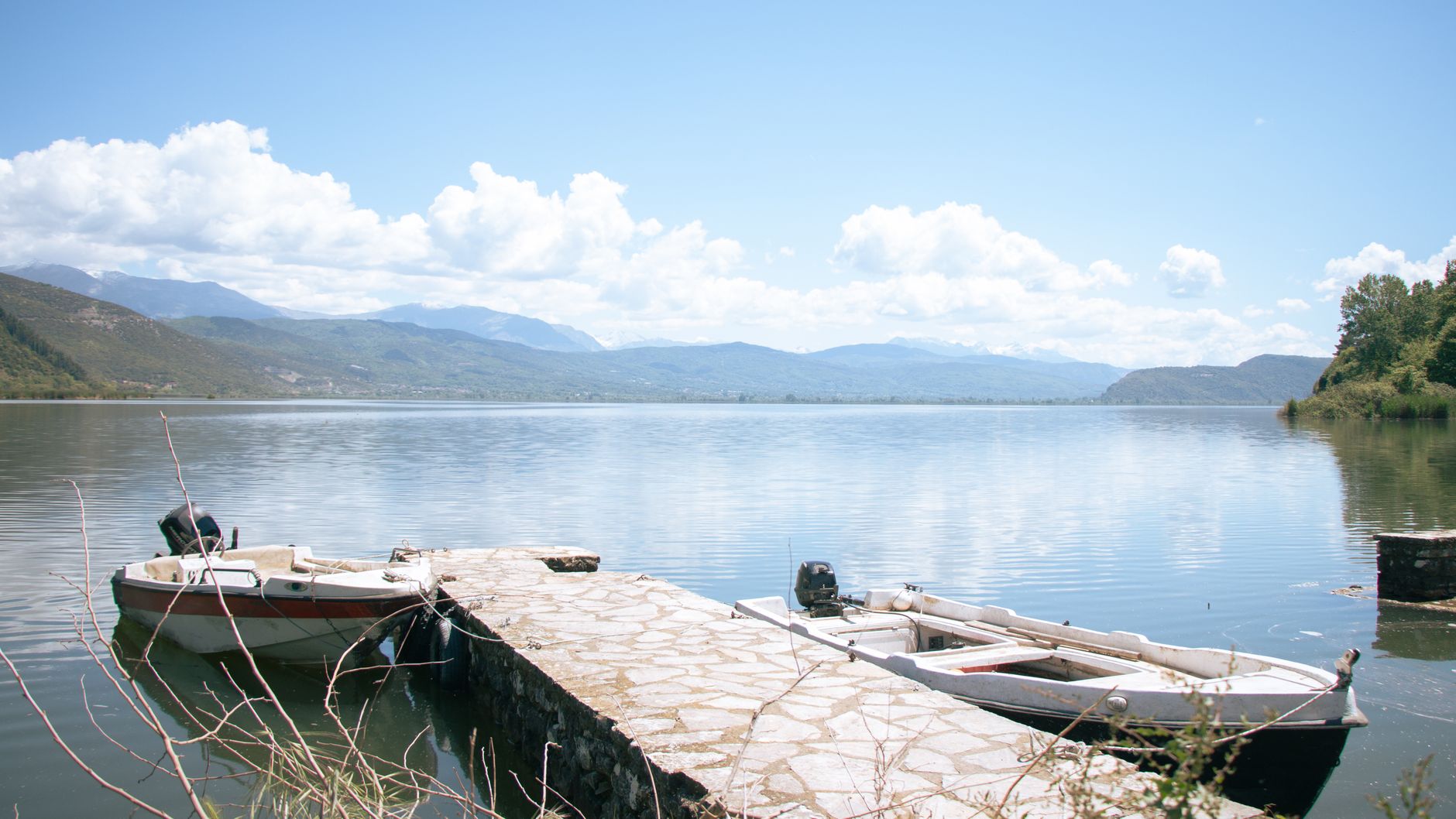
Epirus's lakeside capital — a walled old town on a peninsula with a working mosque, silver-working workshops, and the main gateway to the Zagori villages.
“Worth 2 nights on its own merits, and essential as the staging point before heading into the Zagori and Vikos Gorge.”
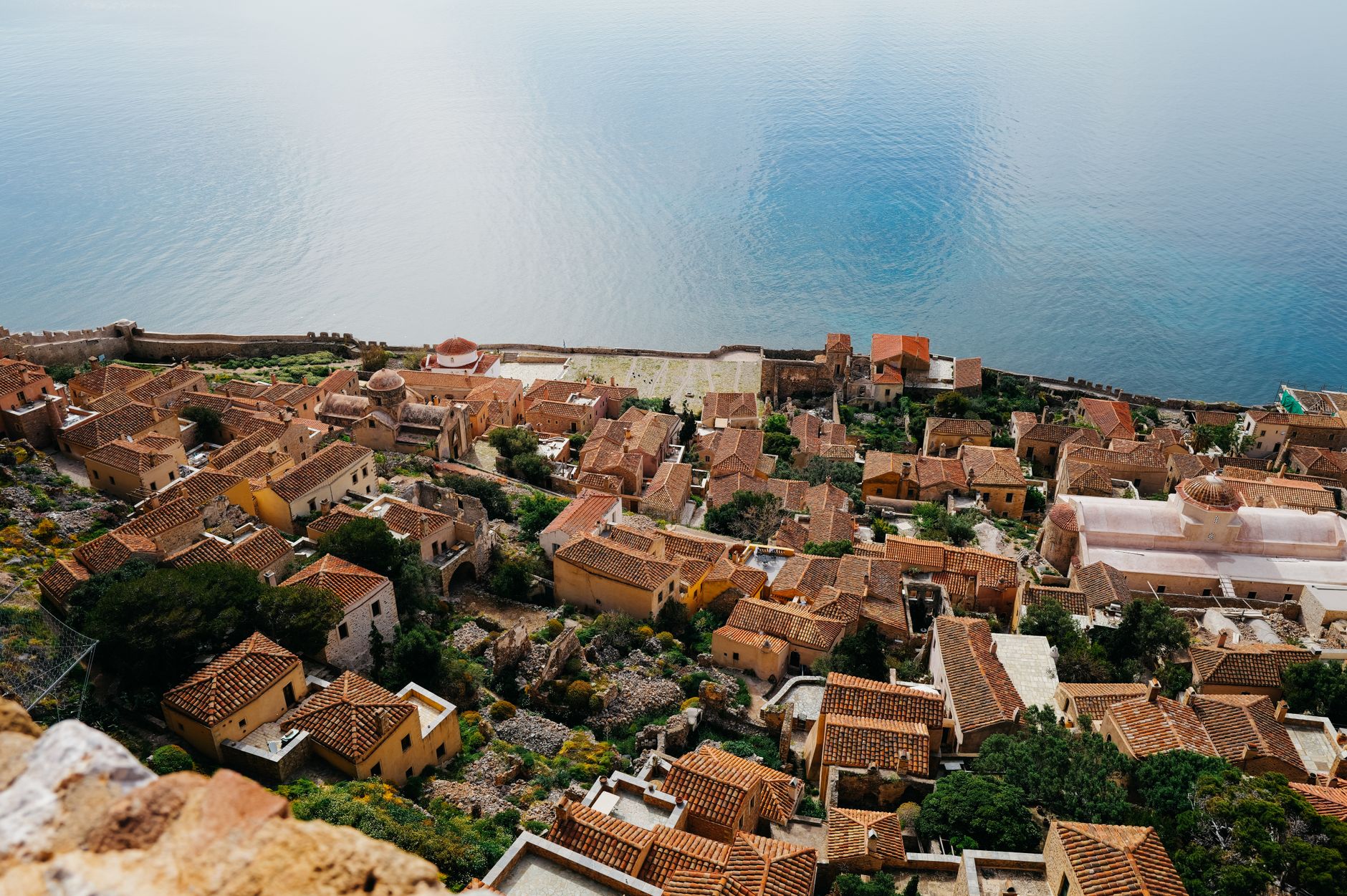
Monemvasia
A Byzantine fortress town built into a sea rock, reached by a causeway from the mainland — the walled lower town is entirely car-free.
“Worth a detour or overnight for anyone near the southeast Peloponnese; one of the country's genuine standout medieval settlements.”
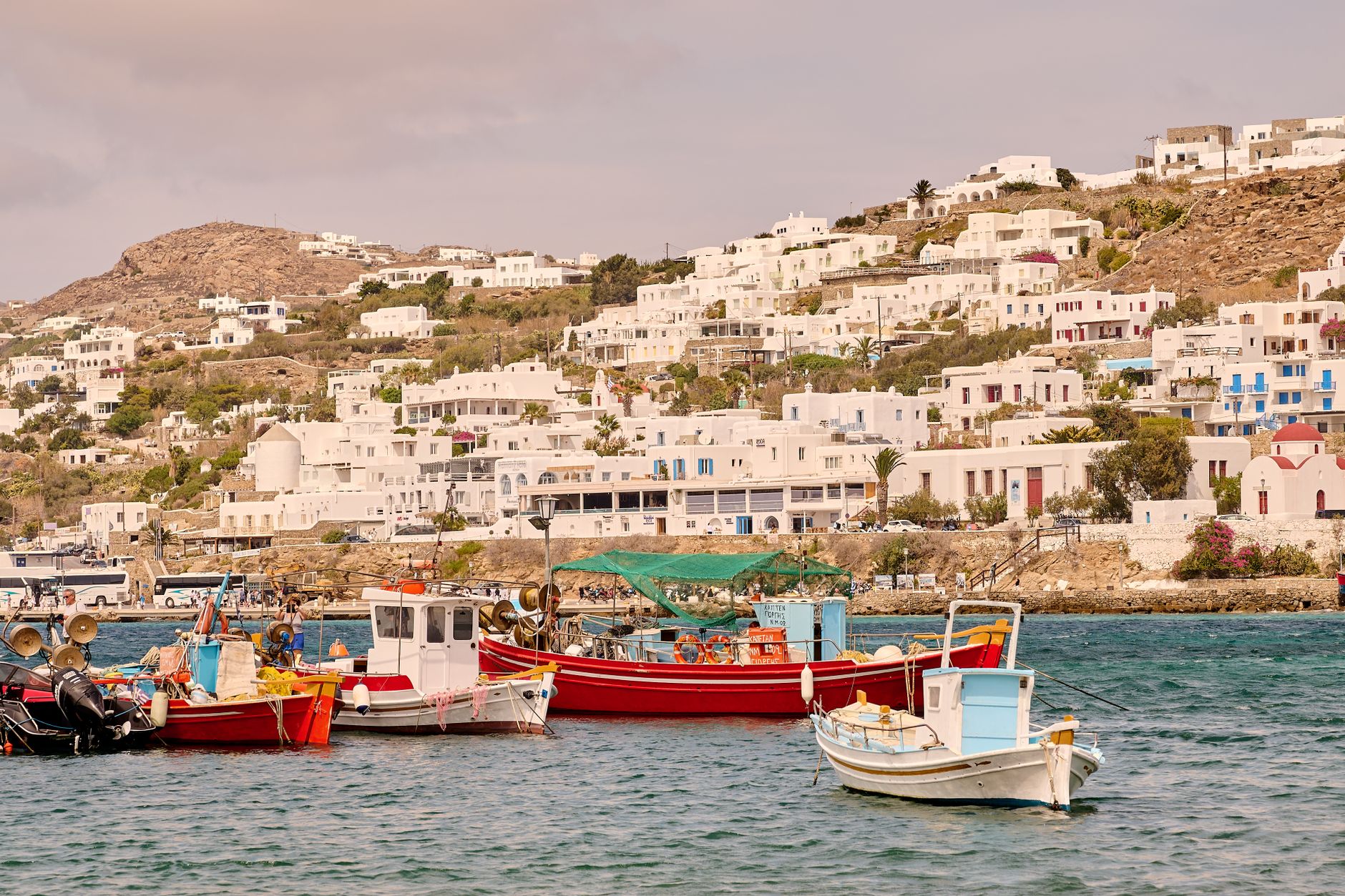
Mykonos Town
The Cyclades' nightlife capital: a maze of whitewashed lanes, Little Venice balconies over the water, and five windmills on the hill above.
“Worth it if you want beach clubs, bar crawls, and designer shopping — skip it if you want quiet or budget travel.”

Naoussa
A fishing harbour in the north of Paros that became the best-looking town in the Cyclades without quite losing its port.
“Stay here rather than in Parikia. Naoussa has the harbour, the food and the evening, and Parikia has the ferry.”
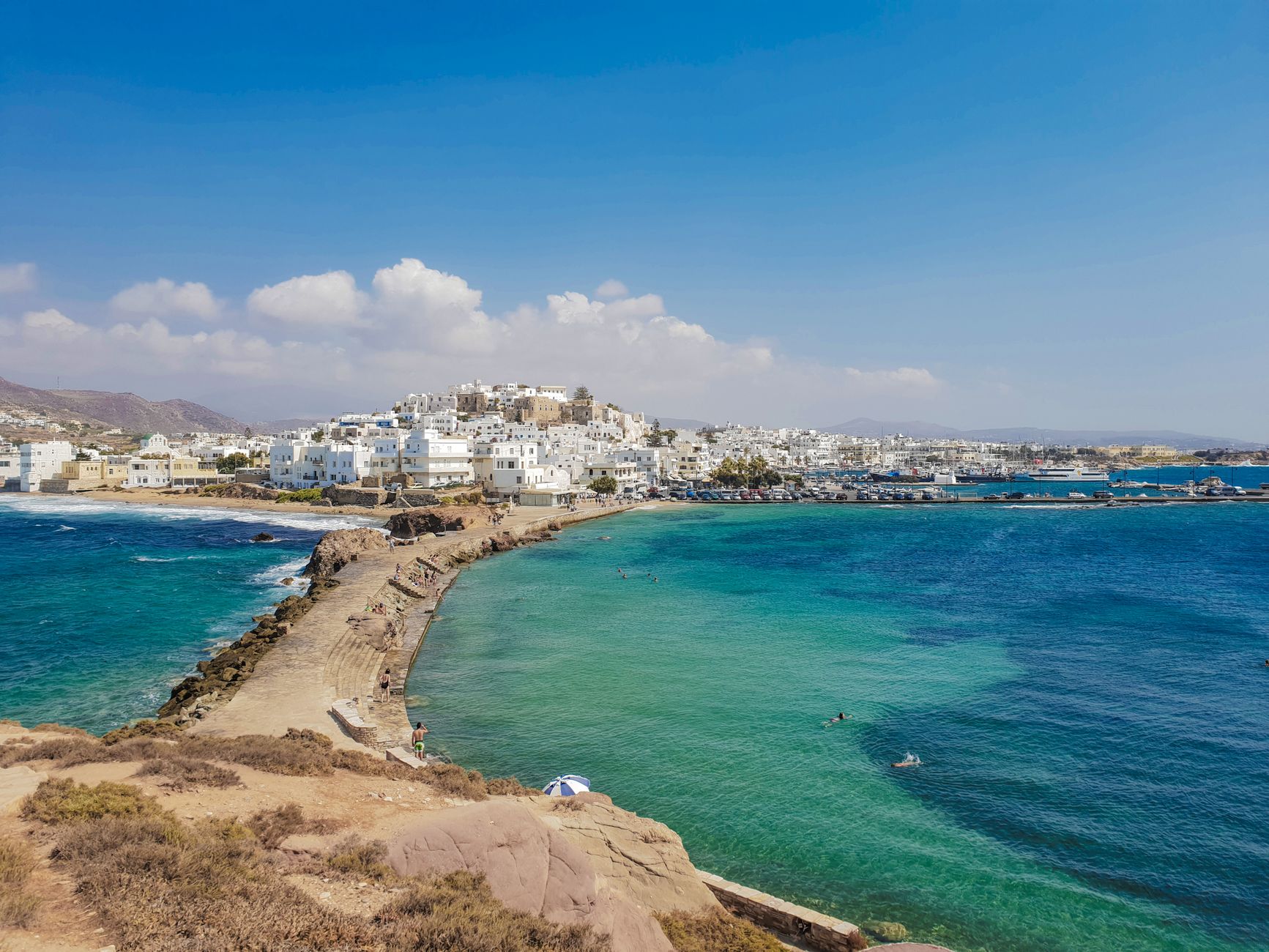
Naxos Chora
Naxos's working port town, stacked with a Venetian kastro over the old quarter and the Portara gate framing the harbor entrance.
“Worth a stay for anyone wanting good Cyclades beaches without Mykonos-level prices, crowds, or nightlife noise.”

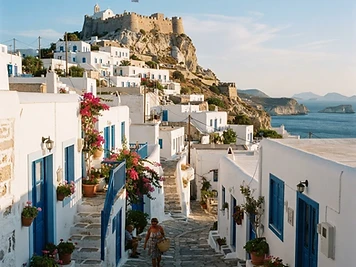
Plaka
The hilltop capital of Milos, above the port at Adamas, with the island's best sunset and its best lanes.
“Stay up in Plaka rather than down at the port. It is where Milos looks and behaves like the island everyone hopes it is.”

Rethymno
Crete's most elegant old town, with a Venetian-Ottoman harbor quarter, a long sand beach, and a university crowd that keeps it lively.
“Worth a multi-night stay for anyone wanting old-town atmosphere, a real beach in town, and good food without Heraklion's grit.”

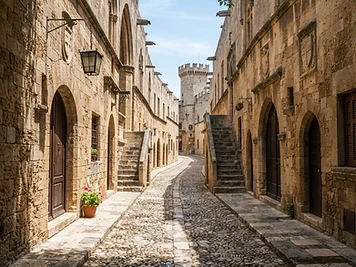
Rhodes Town
The best-preserved medieval city in the Mediterranean: a walled Knights' town, an Ottoman quarter and a modern harbour city beside them.
“The only honest reason to start a Rhodes trip here rather than on the beach. Give the old town two nights and walk it after dark, when the cruise crowds are back on board.”

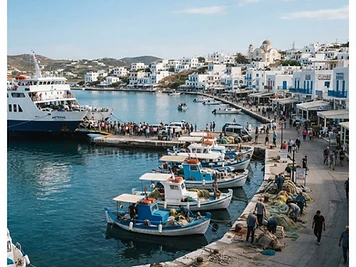
Adamas
The port town of Milos: where the ferries land, with the island's widest choice of restaurants and the best bus connections.
“The least beautiful place on Milos and the most useful. Stay here for one night either side of a ferry, not for a week.”

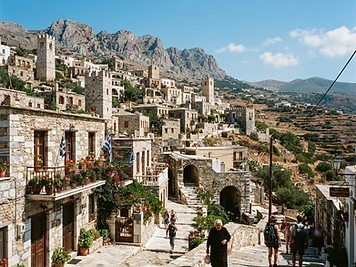
Apeiranthos
A marble-paved mountain village on the slopes of Mount Fanari, with its own dialect, its own museums and a long tradition of independence.
“The best inland stop on Naxos. Two hours, and eat while you are here.”
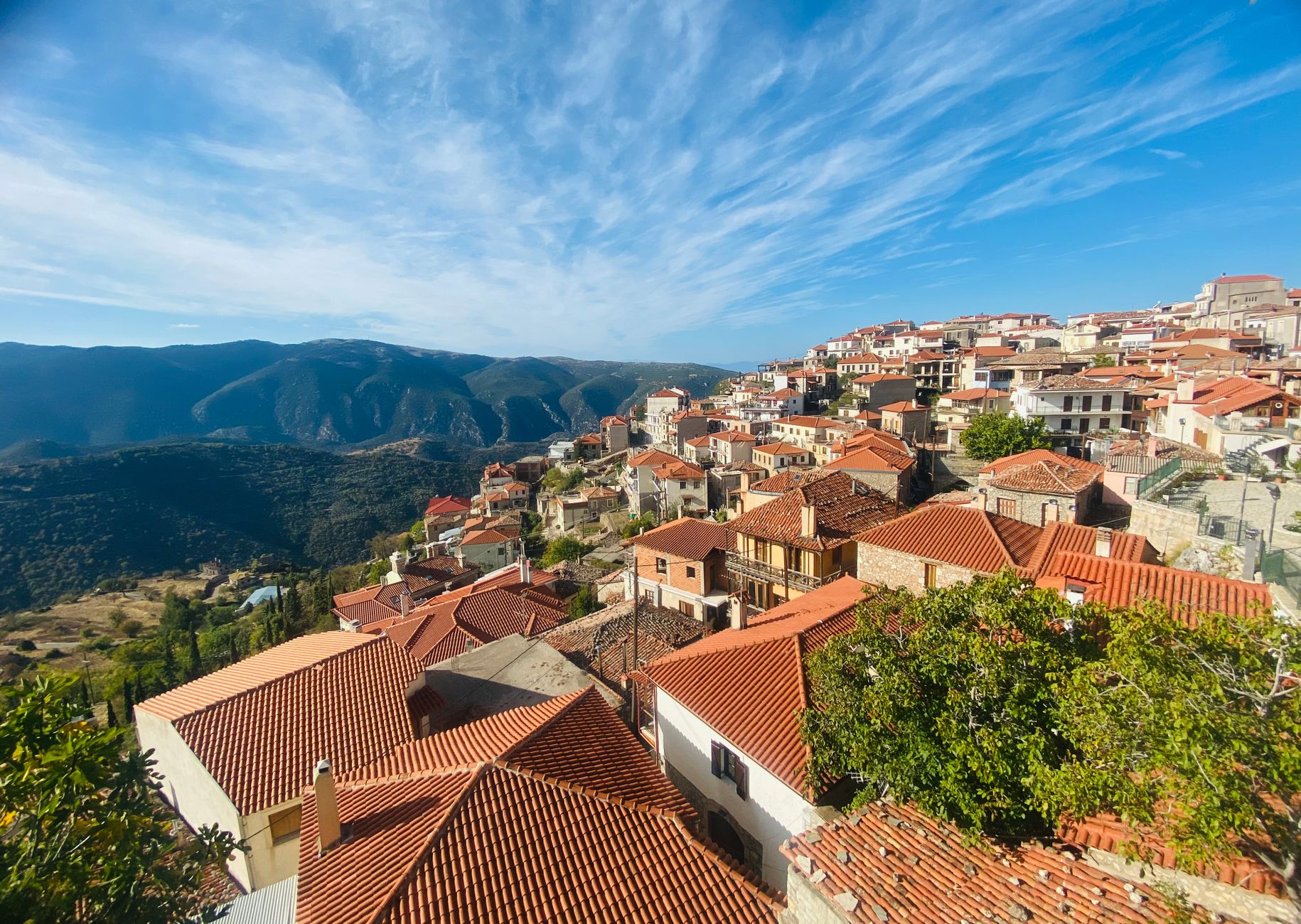
Arachova
A mountain town below Delphi that turns into a ski resort in winter, packed with Athenian weekenders heading to the Parnassos slopes.
“Great for a winter ski weekend with a car; in summer it's a quieter, pleasant stop but not worth a special trip on its own.”
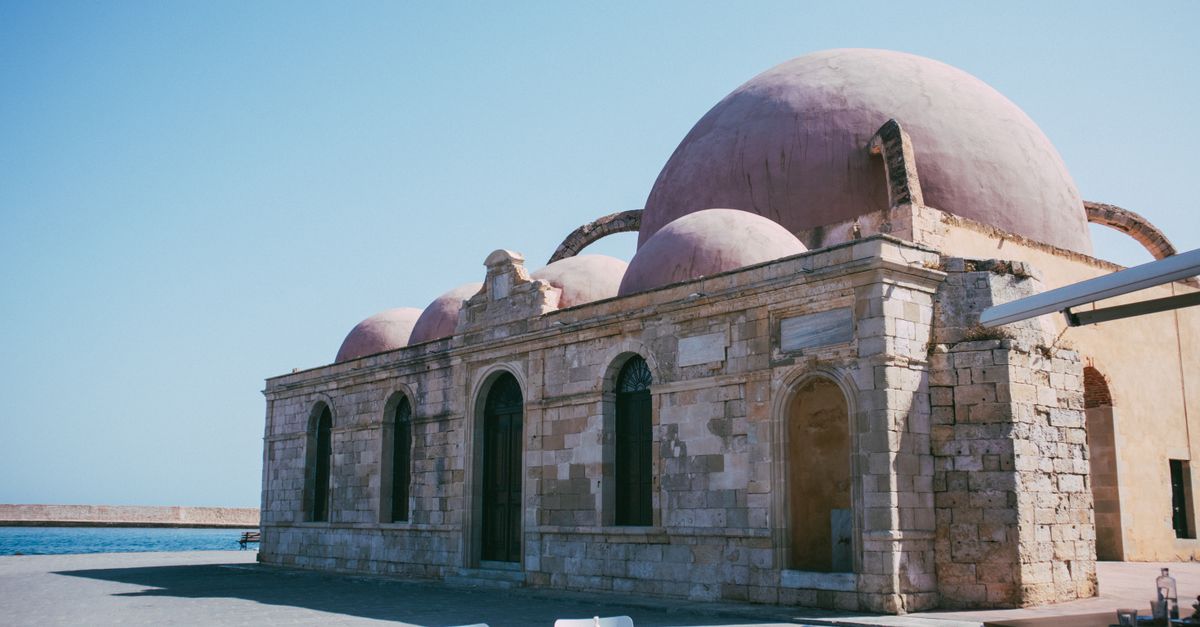
Chania
Crete's most beautiful city — a Venetian harbour, a preserved old town, and the best base for western Crete.
“The strongest base in Crete — a Venetian old town good enough to be a destination on its own.”

Galaxidi
A maritime town on the Gulf of Corinth with stone sea captains' houses around a sheltered double harbour, built on 19th-century shipping wealth.
“Worth an overnight for a quiet, well-preserved harbour town, especially as a stop between Athens and Delphi or Nafpaktos.”
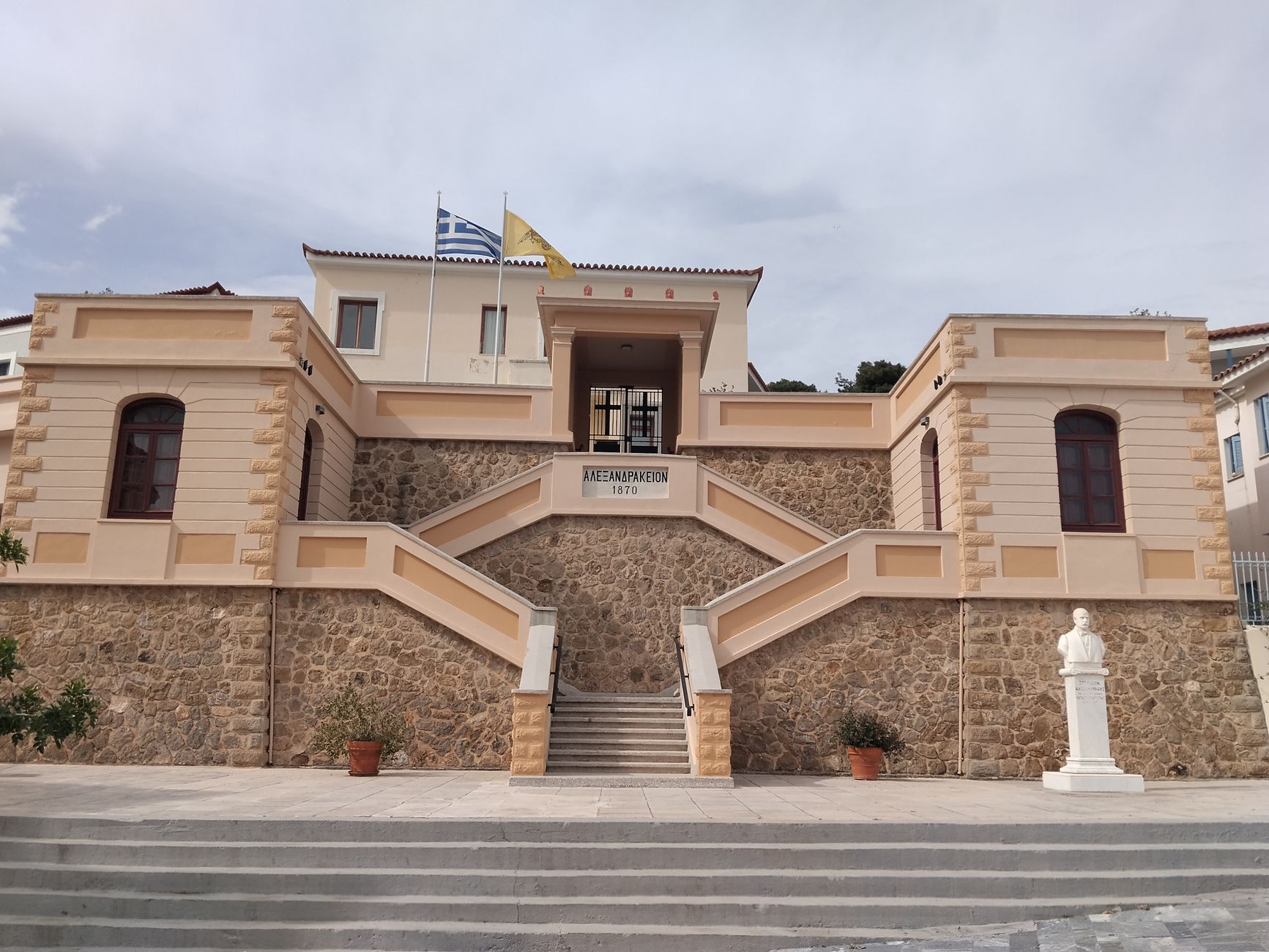
Kalamata
Messinia's capital on the south Peloponnese coast — a working olive-oil city with a long beach promenade and the practical base for exploring the Mani.
“Solid base for 2-3 nights if you want real Greek city life plus easy day trips into the Mani and Messinian coast.”
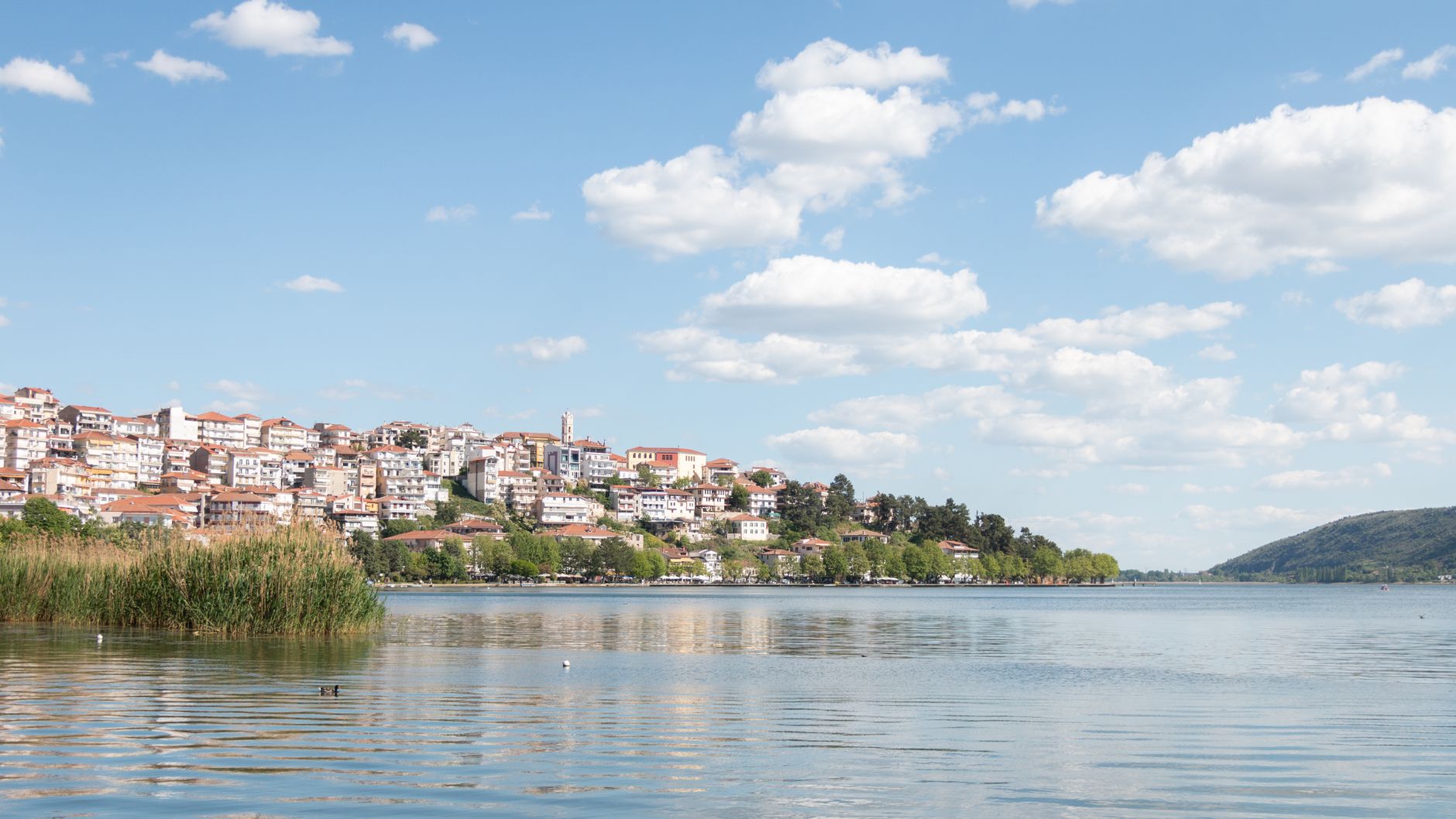
Kastoria
A fur-trade town on a lake peninsula in western Macedonia, with more Byzantine churches per capita than almost anywhere in Greece and fewer tourists than it deserves.
“Worth the detour for the lake, the churches and the mansions — especially for repeat visitors done with the islands.”

Kastro
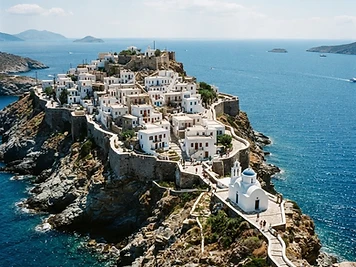
A medieval village built over the edge of the sea on the site of an ancient acropolis, with houses forming the defensive wall.
“The oldest and strangest thing on Sifnos. Twenty minutes is enough for the church; an hour is what the lanes deserve.”
Kavala
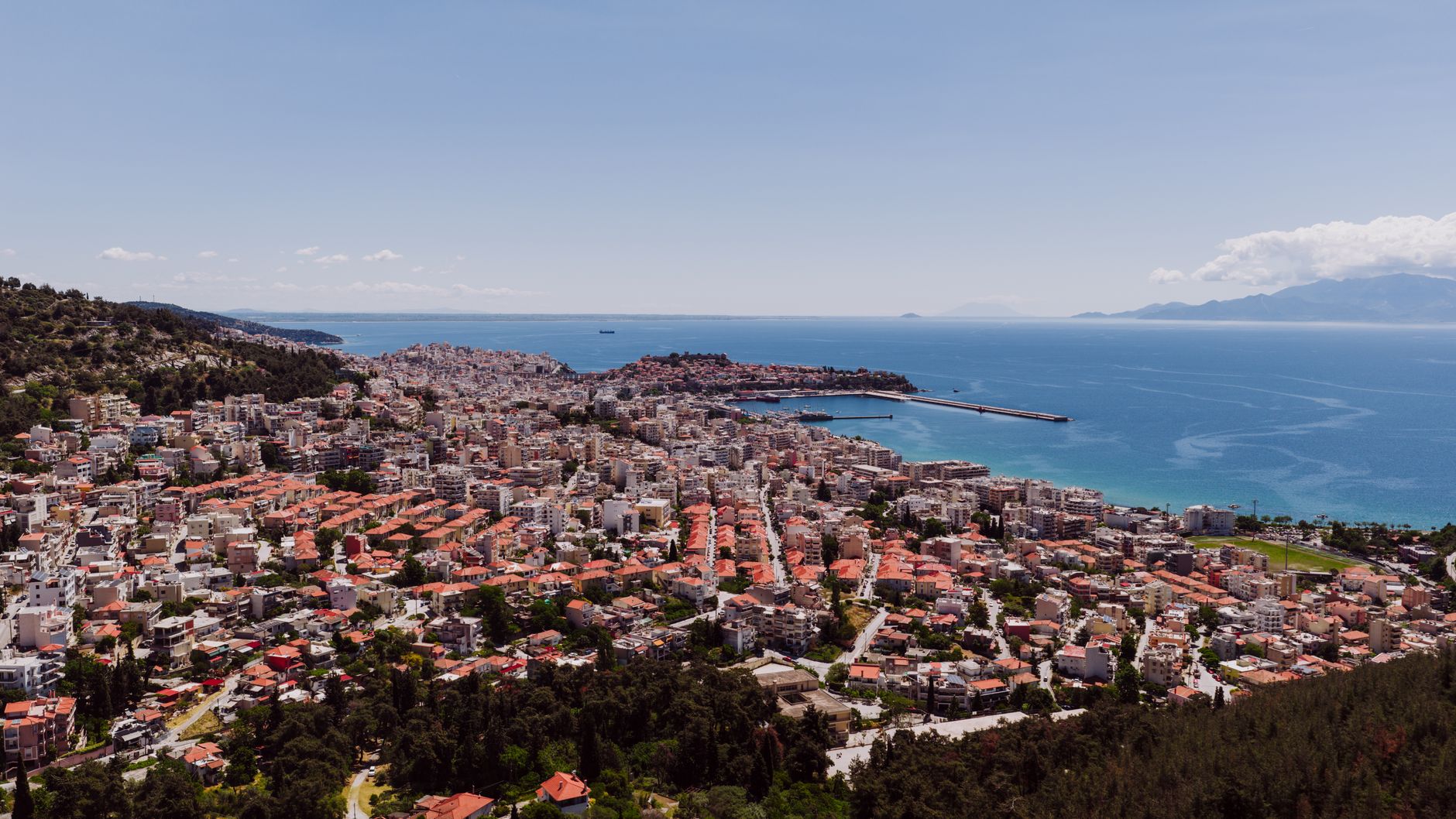
A hillside port city with a Byzantine aqueduct, Ottoman quarter and tobacco-warehouse architecture paid for by a trade that's long gone. Rarely crowded, rarely rushed.
“Worth a night if you're routing through northern Greece or catching a ferry to Thasos; not a destination on its own.”

Lefkes
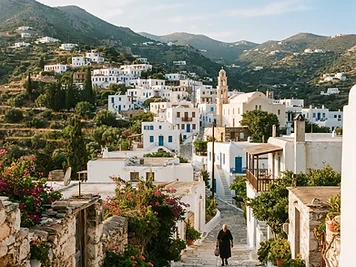
The old marble-paved capital of Paros, up in the hills in the middle of the island, with a Byzantine path running down to the coast.
“Where Paros stops being a beach island and becomes a mountain one. Come up for an afternoon, or stay if you want the island without the harbour.”
Lindos
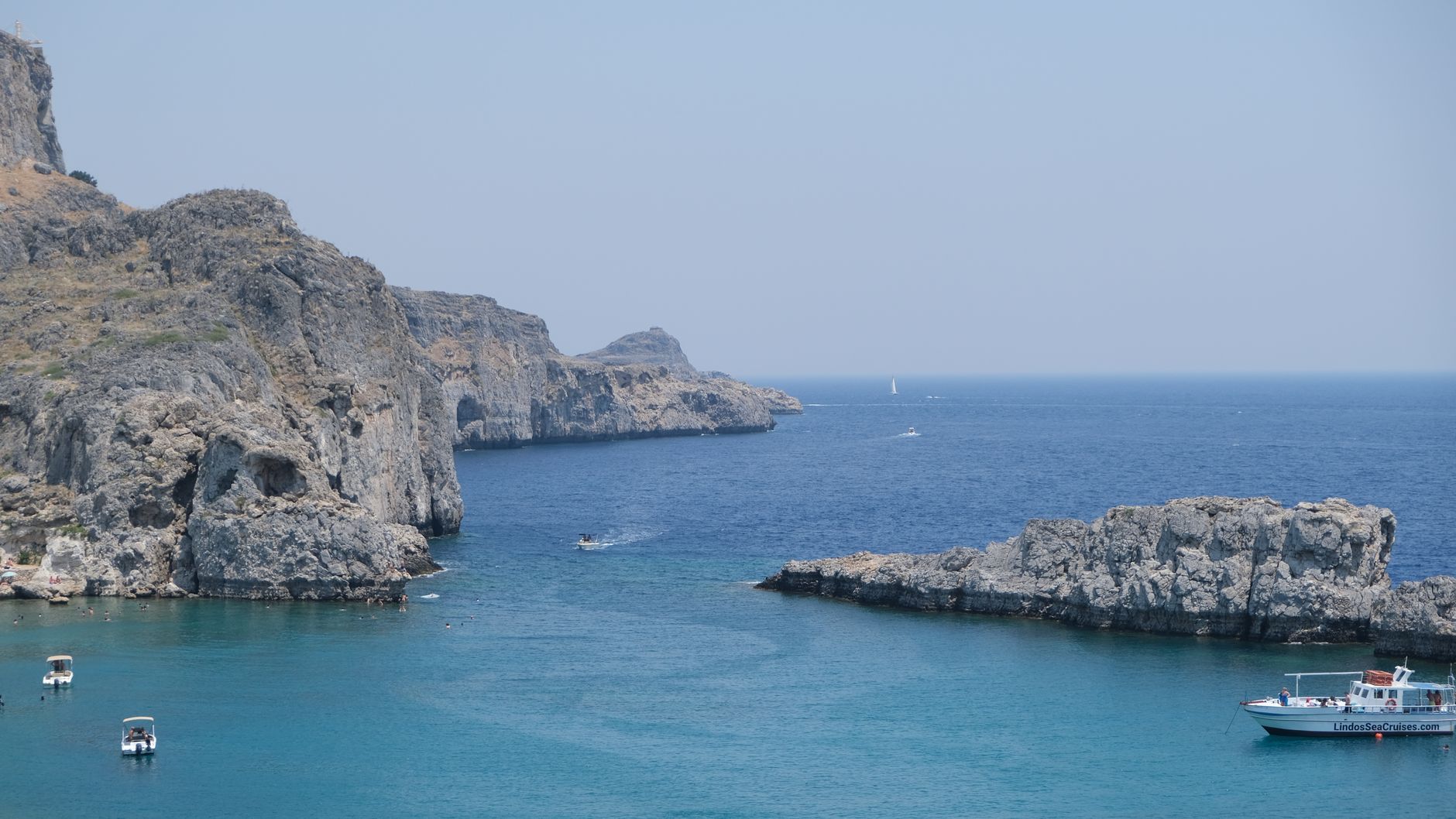
A whitewashed village stacked beneath the acropolis of Lindos on Rhodes, overlooking a sheltered bay and a long sandy beach.
“Worth the detour for the acropolis and bay view, but the village itself is a summer tourist trap by midday.”
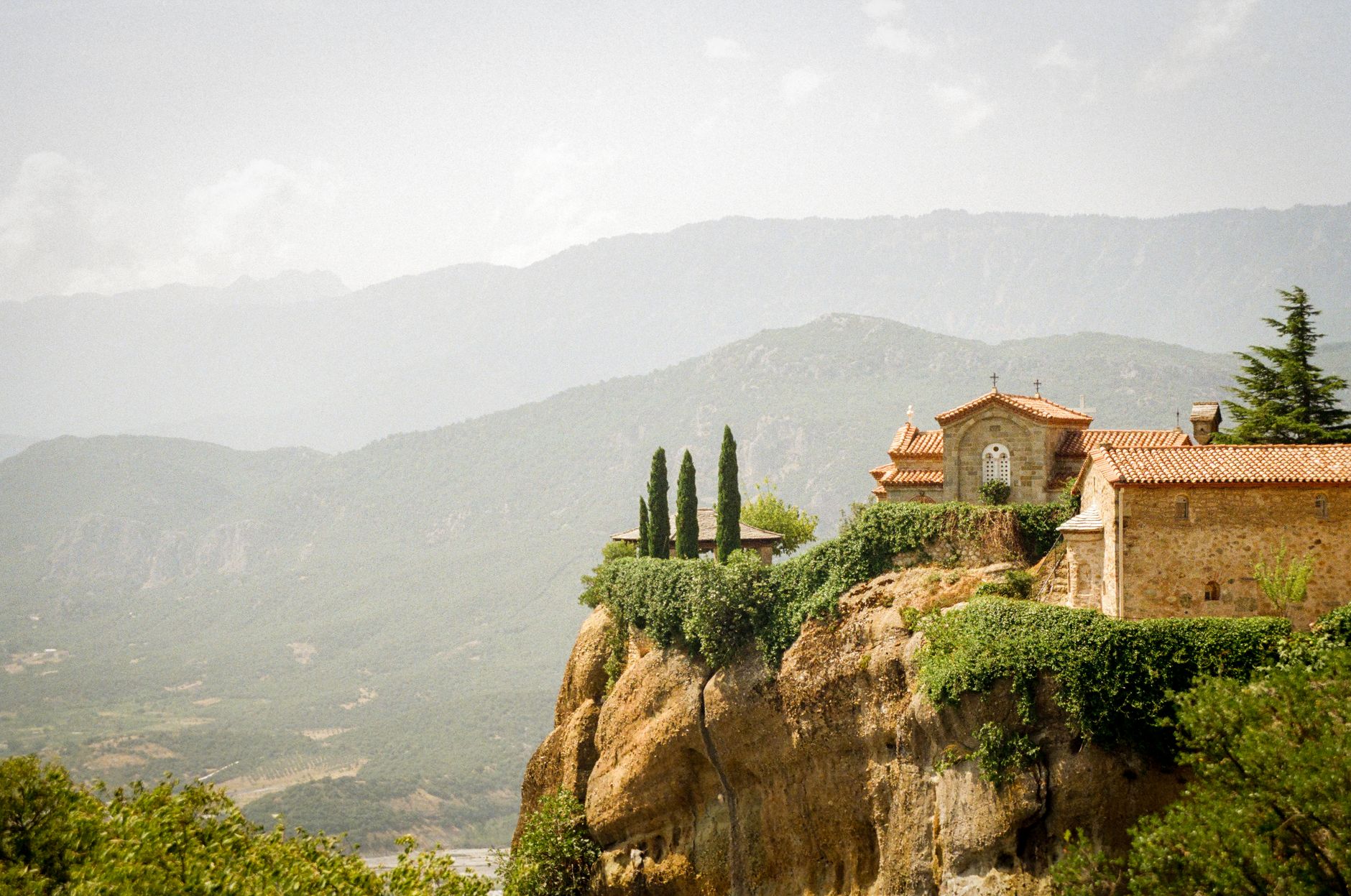
Litochoro
The trailhead town for Mount Olympus, set where the mountain drops to the sea, with the Enipeas gorge path starting at its edge.
“Essential for anyone hiking Olympus; skip it entirely if you're not.”

Makrinitsa
A Pelion village stacked on the mountainside above Volos, built from stone and chestnut wood, with cobbled lanes and a square that looks straight down to the gulf.
“Worth a half-day or overnight for the setting and old mansions, but it gets crowded with day-trippers from Volos on weekends.”
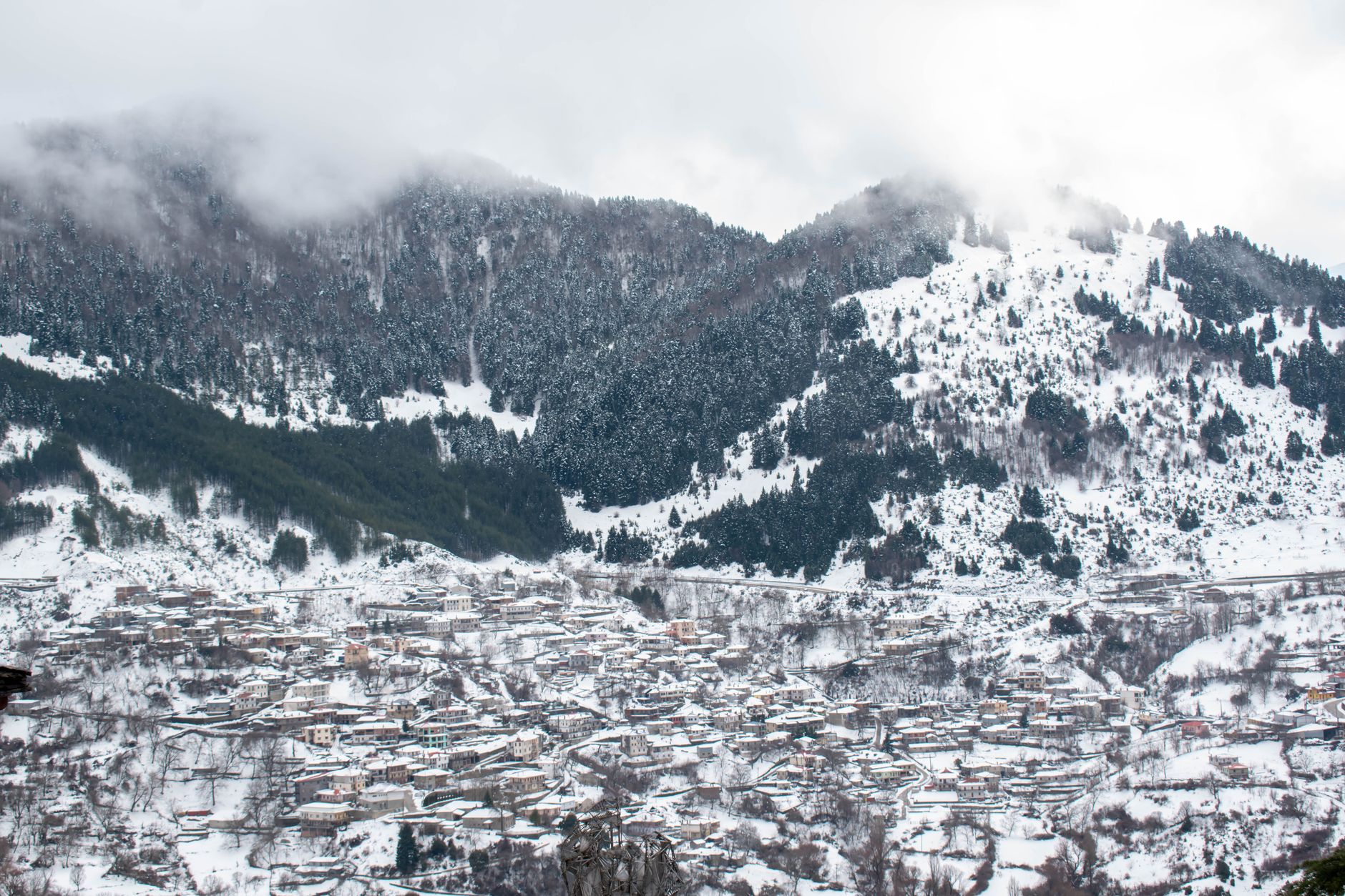
Metsovo
A mountain town on the Pindos pass with Vlach heritage, carved wooden interiors, and some of the country's best cheese and red wine.
“Worth an overnight for the food and mountain character alone, especially as a winter or shoulder-season stop between Epirus and Thessaly.”
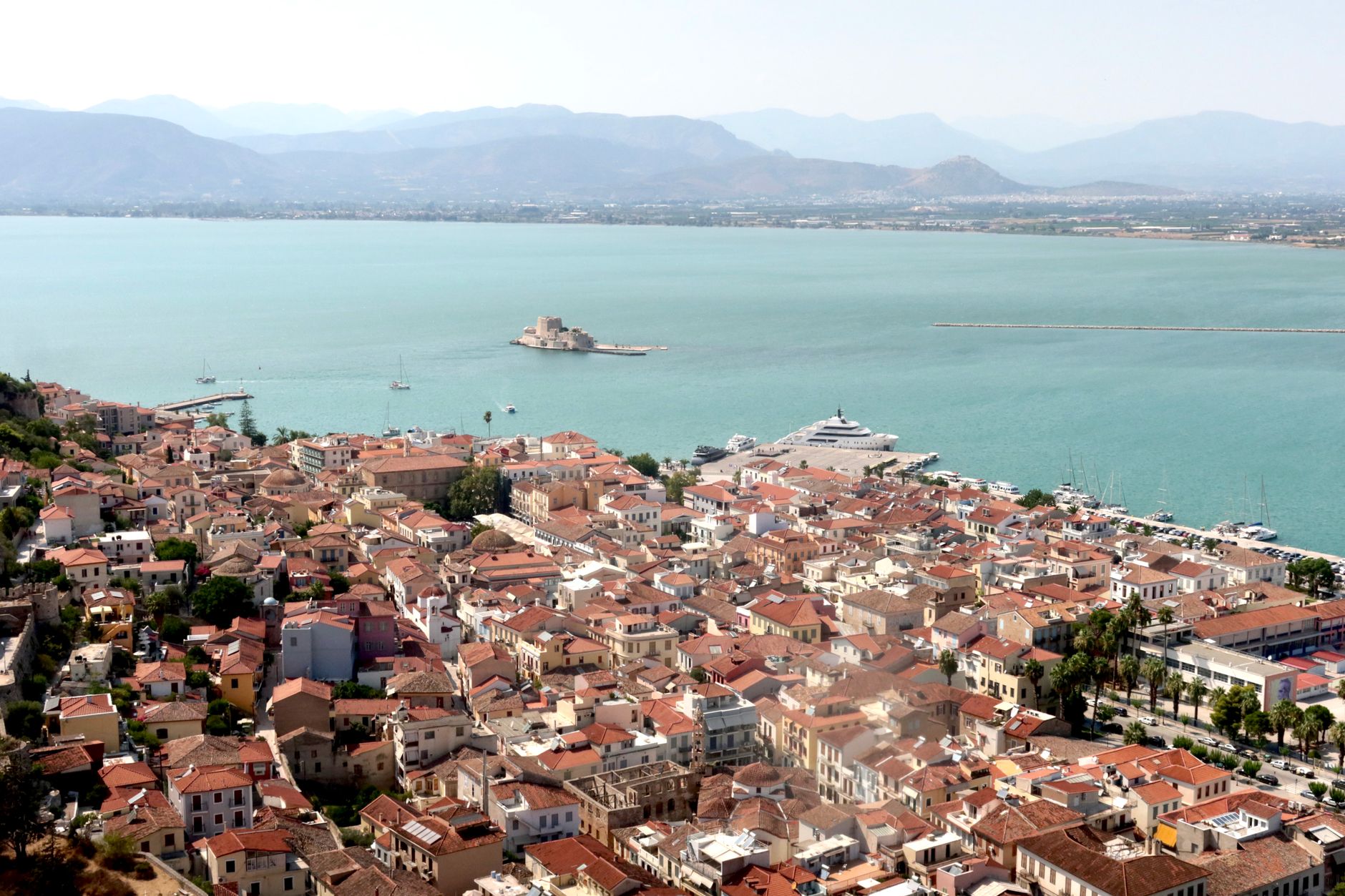
Nafpaktos
A walled town on the Gulf of Corinth with a small Venetian harbour ringed by cannon and a castle climbing the hill above it.
“Worth an overnight for the harbour setting and castle walk, good value stop between the Peloponnese and central Greece.”
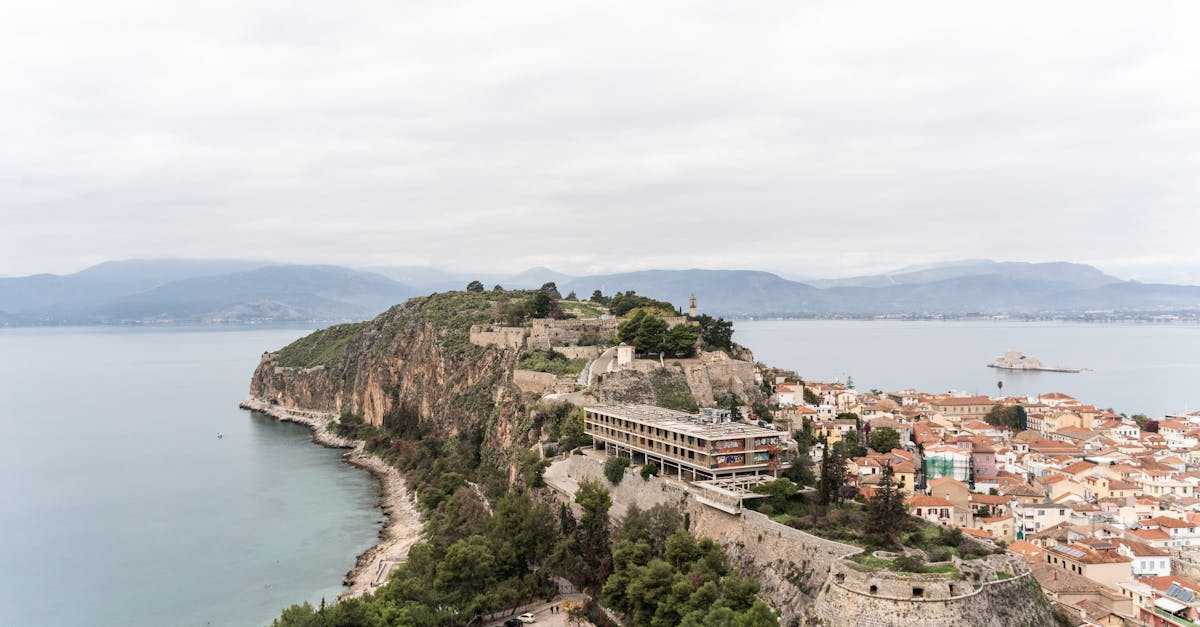
Nafplio
A refined Venetian seaport and the best base for a first Peloponnese road trip.
“The most elegant small town in the Peloponnese and the best base for exploring Mycenae and Epidaurus.”
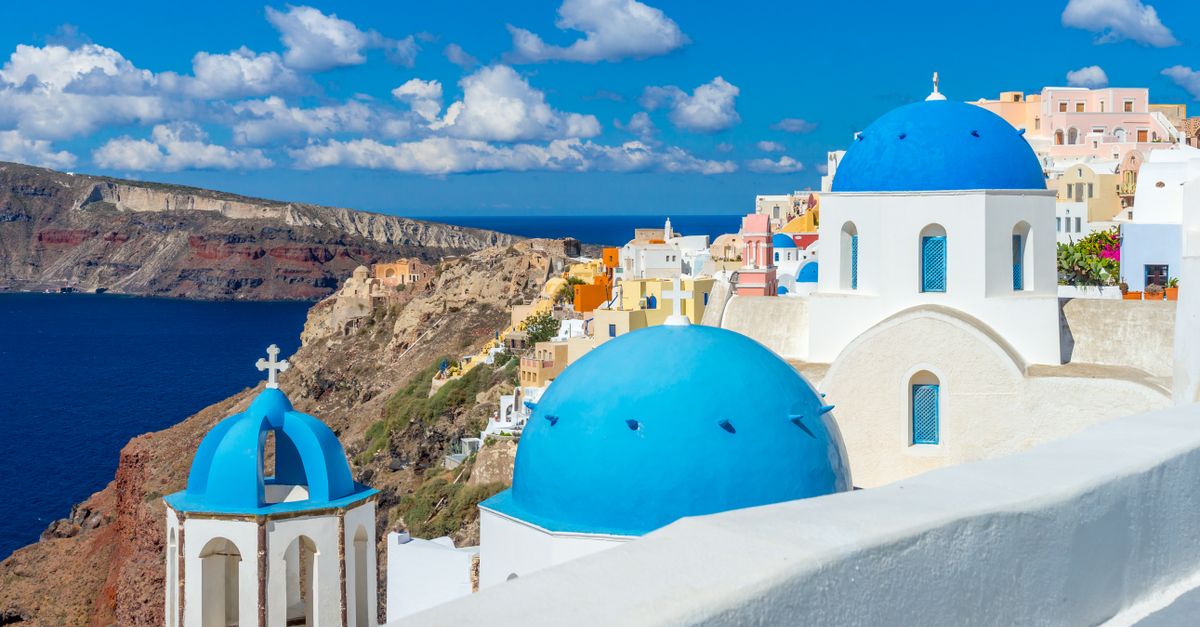
Oia
The famous caldera village at Santorini's northern tip — the sunset postcard, and the most crowded place on the island.
“The most photographed village in Greece — stay here for the view, not for peace and quiet.”

Papingo
A split stone village at the head of the Vikos Gorge, Papingo is where Zagori walking trips start and end, with a cold-water rock pool as reward.
“Worth it for hikers and anyone chasing mountain quiet; skip it if you need nightlife or flat easy strolling.”
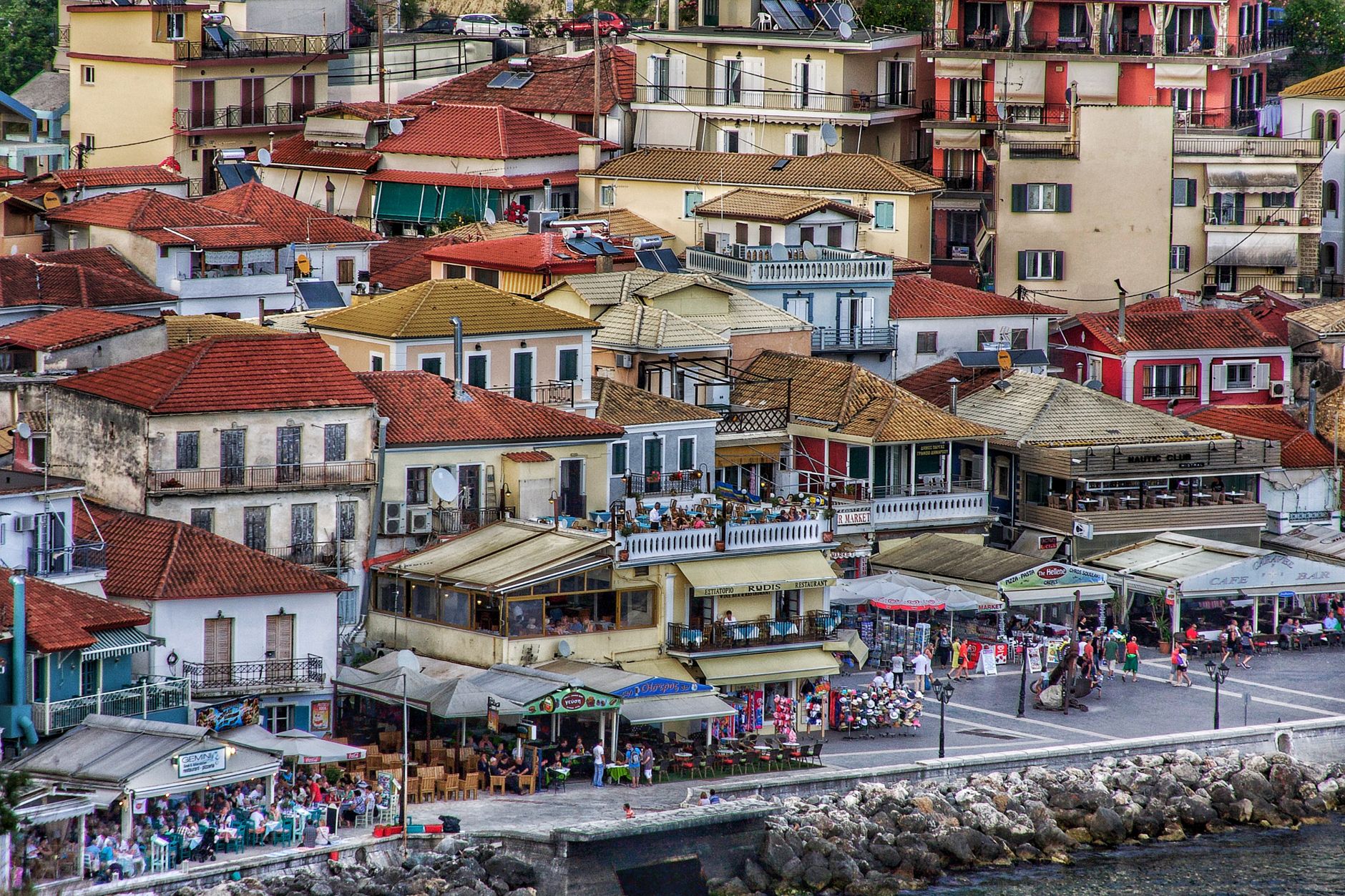
Parga
A seaside town on the Epirus coast with a Venetian castle on the headland, pastel buildings stacked above a bay, and olive groves behind it.
“Good for a beach-focused stop on an Epirus or Ionian coast trip, but it runs busy and package-tour heavy in high summer.”

Parikia
Paros's main port, built around a Frankish castle whose walls recycle marble from a vanished ancient temple, fronted by a working harbor.
“A solid, unglamorous base for island-hopping and a calmer, cheaper alternative to both Mykonos and Santorini.”

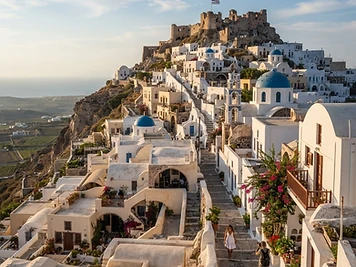
Pyrgos Kallistis
The highest village on Santorini, built in rings around a hill with a ruined Venetian castle at the top, away from the caldera.
“The one village on Santorini that behaves least like a resort, and the sane alternative to paying caldera prices in Oia.”
Sparta
A modern grid-plan Laconian town with almost nothing ancient left standing — useful mainly as a base for Mystras, the Mani, and Taygetos.
“Skip for Sparta itself, stay for the logistics — it's the sensible bed for seeing Mystras without rushing.”

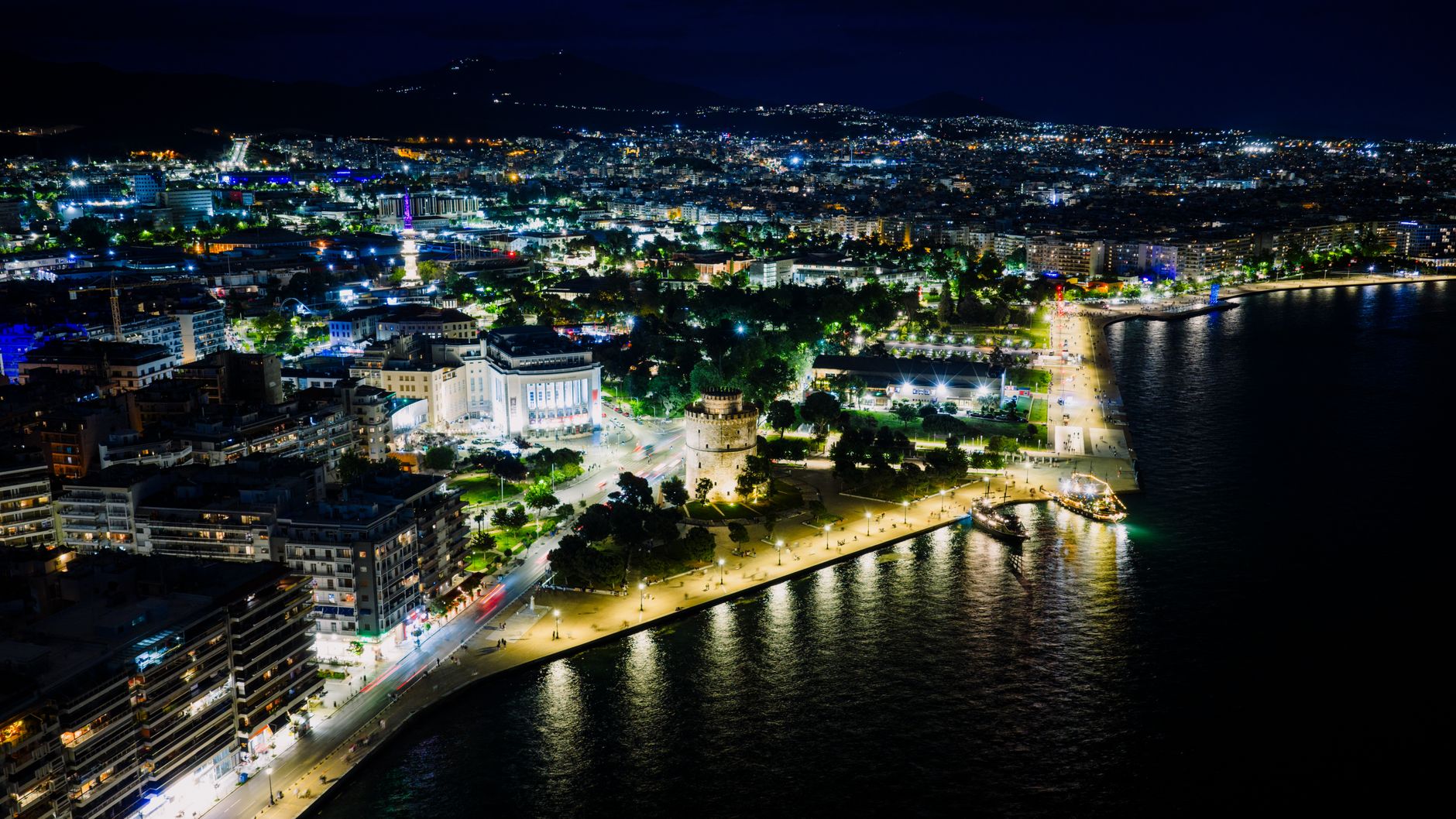
Thessaloniki
Greece's second city — a waterfront food culture, Byzantine churches, and a younger, more northern energy than Athens.
“Greece's best food city and a genuine northern alternative to Athens — worth a trip in its own right.”
Volos
A working port city on the Pagasetic Gulf, Volos runs on tsipouro and meze culture and functions as the gateway to Pelion's villages and beaches.
“Worth a night or two for the food scene and as a practical base for Pelion; not a sightseeing destination on its own.”

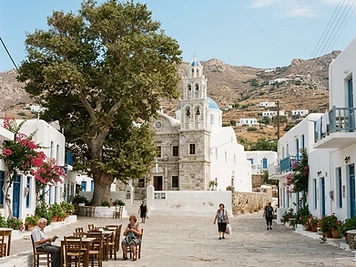
Ano Mera
The main inland village of Mykonos, with the island's largest monastery and a square that runs to its own rhythm.
“The real Mykonos: a working village inland where the island keeps living regardless of the season.”

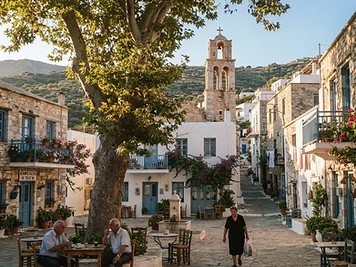
Chalki
A quiet inland village of stone houses, Byzantine churches and a plane-tree square on the road up to Apeiranthos.
“Stop here on the way up to Apeiranthos rather than instead of it. Lunch under the plane tree is the reason.”

Kalambaka
The gateway town to Meteora — functional, but the only practical base for visiting the monasteries.
“Stay here for the access to Meteora, not for the town itself — though the rock views from the right room are striking.”

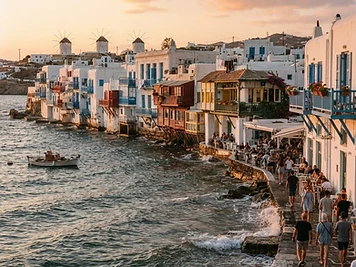
Little Venice
The strip of old town where houses hang directly over the water, with the sun setting straight into the sea beyond them.
“Balconies over the water and the loudest sunset crowd on the island. Worth one drink, not a whole evening.”
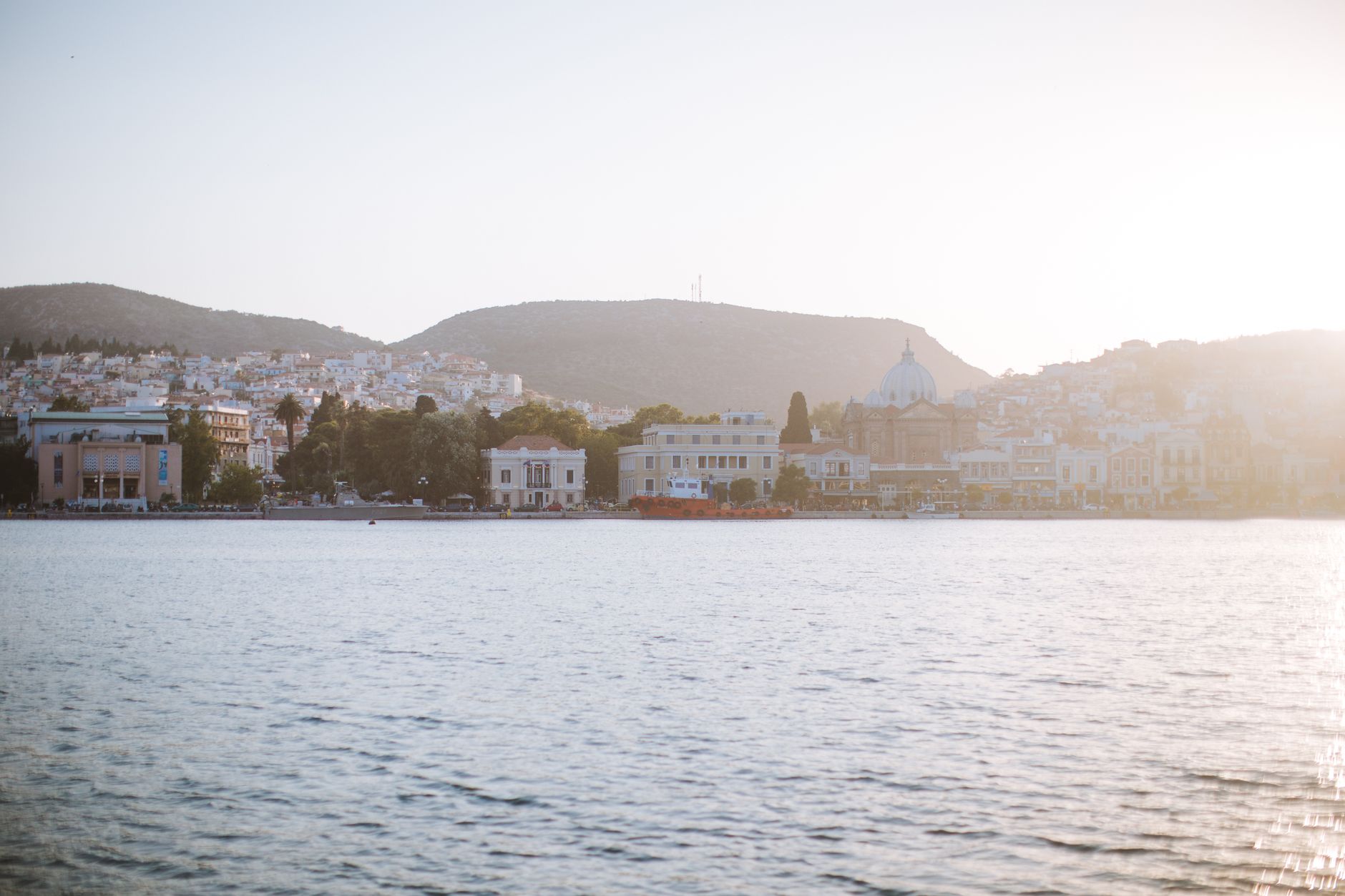
Mytilene
Lesvos's port capital: a Genoese castle over the strait, ouzo distilleries, and a modern history shaped by refugee arrivals and departures.
“Worth it for travelers interested in real island life and history, not for anyone chasing postcard Cycladic whitewash.”

Patras
Greece's third city and main ferry link to Italy — a working port with a Roman odeon, a hilltop castle, and none of the island polish.
“Worth a night if you're catching a ferry or driving the western Peloponnese; not a destination in itself.”
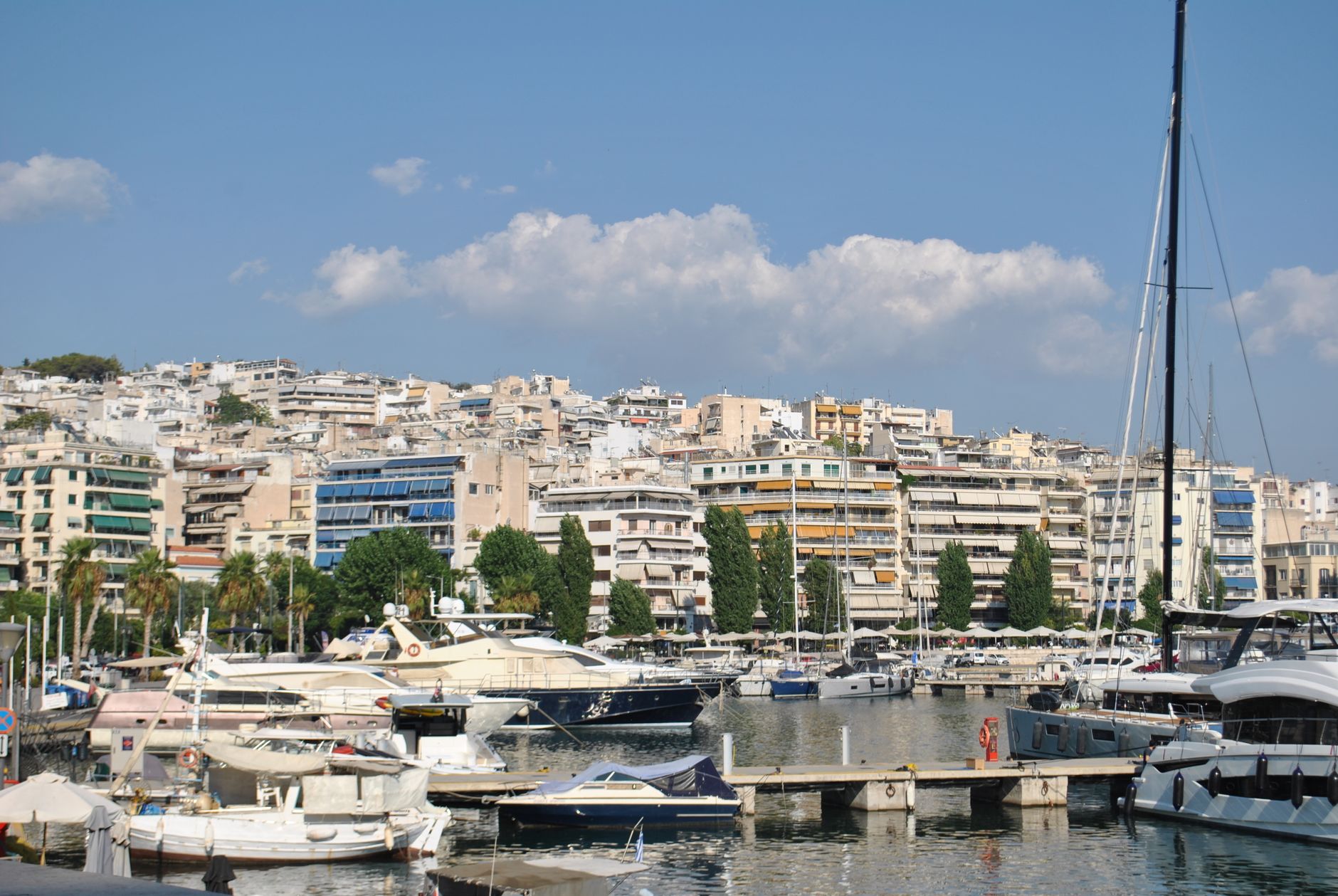
Piraeus
Athens's enormous port and the departure point for most Aegean ferries, with a working harbor, a naval museum, and a revived strip of seafood tavernas at Mikrolimano.
“Necessary for almost every island trip; worth an extra hour or two, not a destination to linger in.”
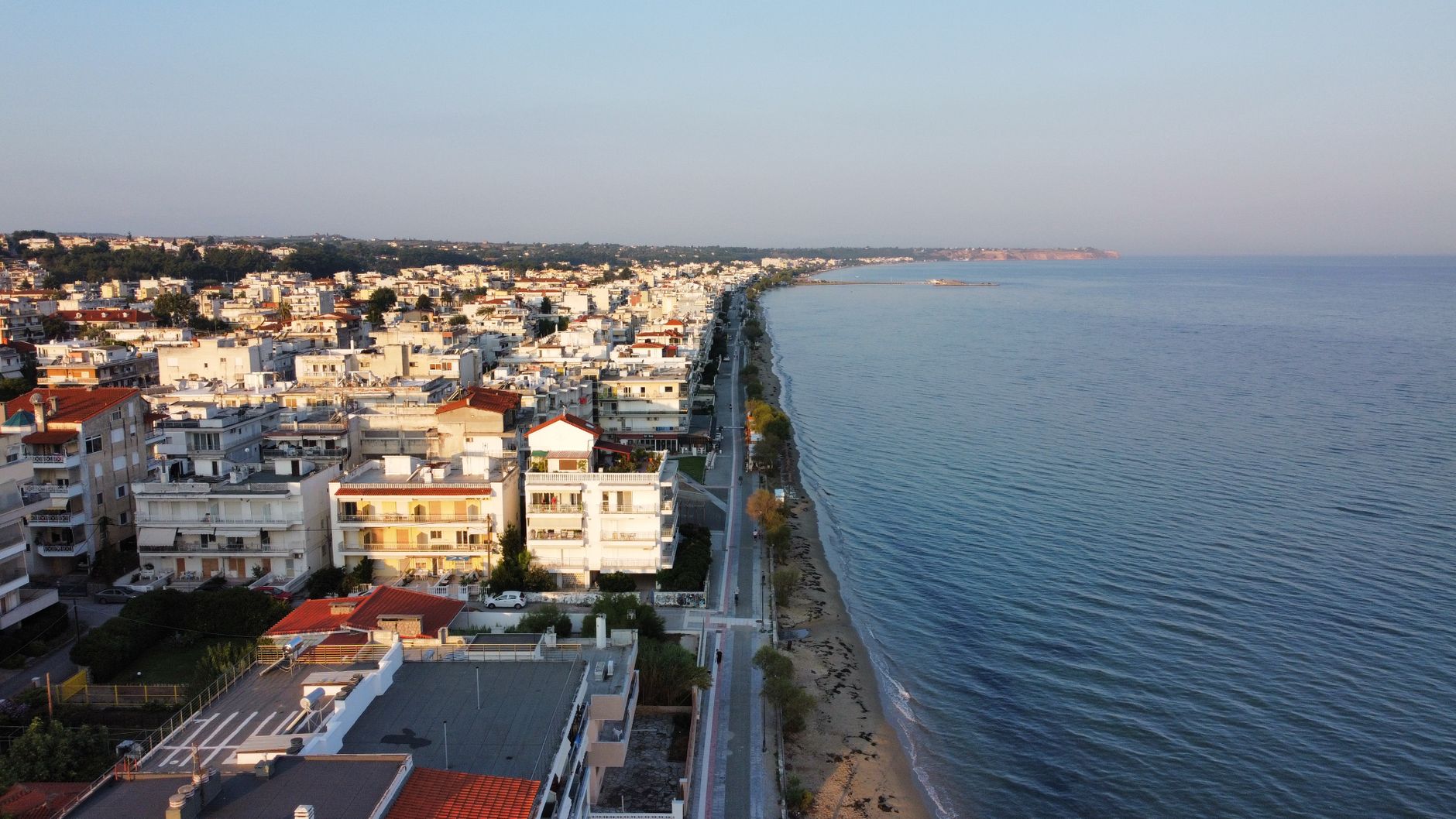
Larissa
Thessaly's agricultural capital, Larissa has almost no tourist infrastructure but a serious, unpretentious modern food scene built for locals, not visitors.
“Skip it unless you have a specific reason to be in Thessaly; it's not built for sightseeing and doesn't pretend otherwise.”