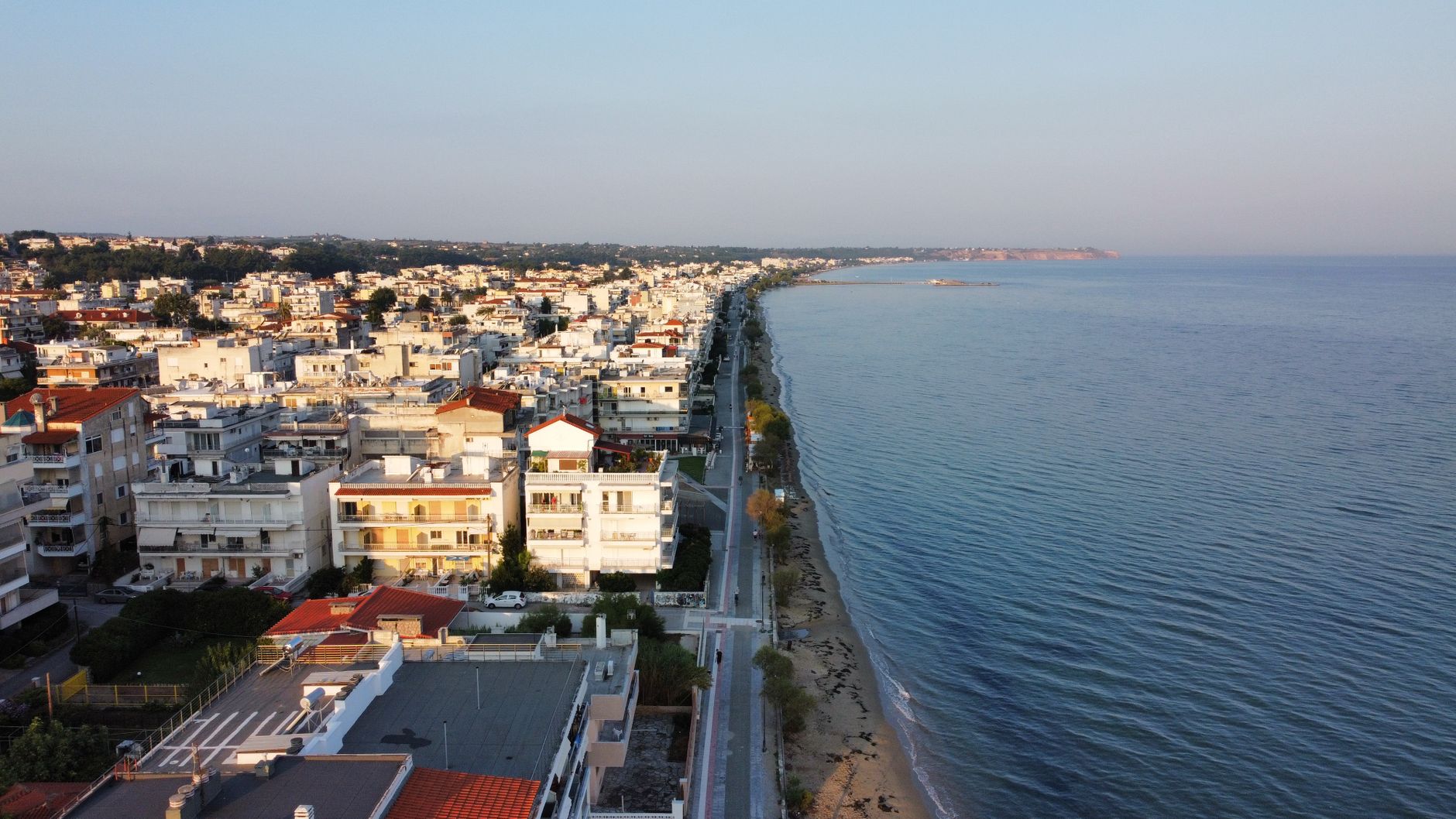
Larissa
Photo: Dima Cekal / Pexels
The Verdict
Skip it unless you have a specific reason to be in Thessaly; it's not built for sightseeing and doesn't pretend otherwise.
Why go
Larissa is an inland commercial hub defined by concrete mid-rises, wide pedestrian avenues, and hot plains. It does not cater to international tourism and makes no concessions for it. Visitors who stop here are typically breaking up a drive between Athens and Thessaloniki or traveling on business. The city's primary asset is a well-funded, self-sustaining culinary culture supported by Thessalian agriculture rather than holiday trade. Time here centers on eating and walking the pedestrianized core around the ancient theater, which sits directly against modern apartment blocks. Tavernas, modern bistros, and tsipouradika serve straightforward, high-quality regional meats, local cheeses, and tsipouro without tourist markups. The city claims one of the highest densities of cafes in Greece, and the squares stay occupied late into the night by residents rather than foreign crowds. The trade-off is architectural and experiential. There is no preserved historic quarter to stroll, little shade during the brutal summer heat, and few conventional sights beyond the excavated theater and the regional archaeological museum. Stop for a deliberate meal or an overnight transit stop, but do not plan a holiday around it.
Understand the place
Thessaly's agricultural capital, Larissa has almost no tourist infrastructure but a serious, unpretentious modern food scene built for locals, not visitors.
Easy to combine with
Logically reachable by transport. Confirm current ferry/flight schedules before booking.
Nearby
Related
Sources
Booking links
Commercial links: we may earn a commission if you book through them, at no extra cost to you.
Plan this trip
Greece Field Guide helps you decide. When you're ready to arrange it, take your saved places to an itinerary.