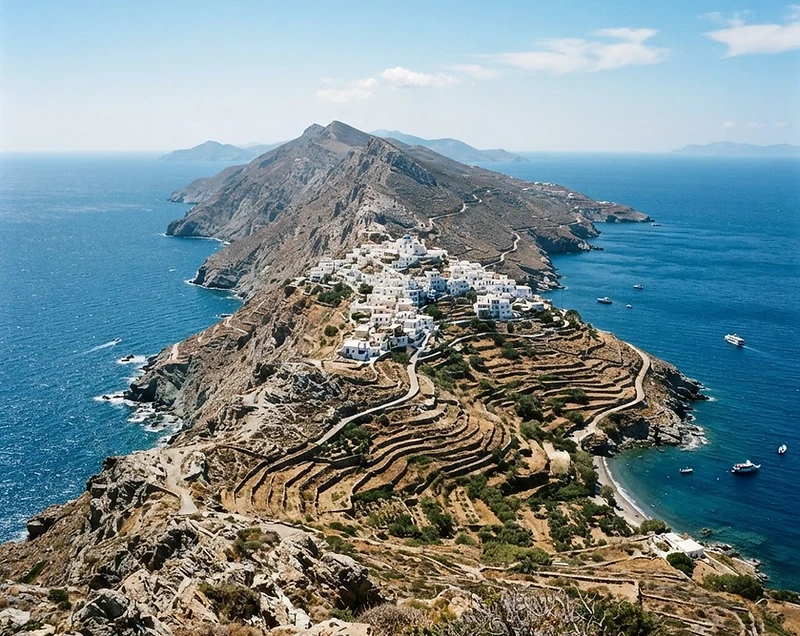
An Editorial Field Guide to Greece
Decide where your time in Greece is actually worth spending.
Every island, town, beach and site judged on the same terms: what it is worth, who it suits, when to go, and what to skip.
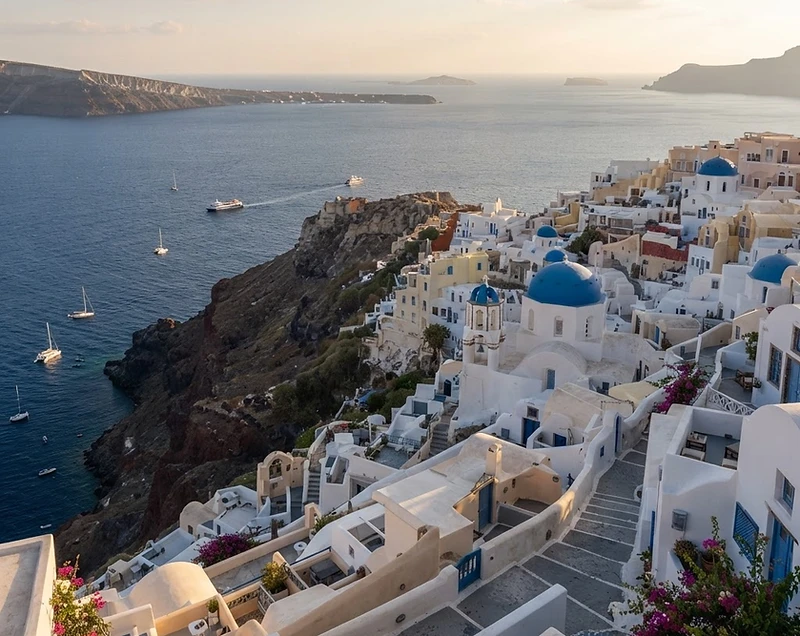
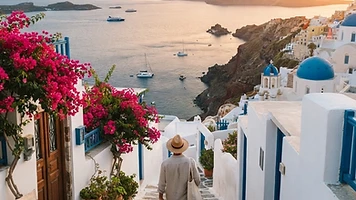
The Caldera at Oia, Santorini, Cyclades
Photo: Greece Field Guide
Help choosing
The either/or decisions most Greece trips come down to
Greece is not one trip. These are the choices that actually change it, and how we would call each one.
- 01Santorini vs MykonosTwo famous Cycladic islands with completely different reasons to go — and neither is the best all-around Cyclades trip.
- 02Cyclades vs Ionian IslandsTwo completely different Greeces: bare, blue-and-white volcanic islands vs green, wooded, calm-water islands.
- 03Naxos vs ParosTwo excellent central Cyclades islands. Naxos for substance, Paros for convenience.
- 04Crete vs Island HoppingOne big island in depth vs several islands in motion — the strongest single-island trip vs the classic Greece experience.
- 05Peloponnese Road Trip vs Cyclades Island-HoppingTwo great ways to spend a week: a mainland road trip through the Peloponnese's ancient sites and villages, or island-hopping across the Cyclades. Different Grecies.
- 06Athens vs ThessalonikiThe ancient capital vs Greece's food capital — almost every trip needs Athens; Thessaloniki is the rewarding alternative.
The central idea
Greece is bigger than the postcards.
Most travel sites flatten Greece into Athens, Santorini, Mykonos and a “10 best islands” list. That's not enough. Greece is mainland mountains and monasteries, dozens of meaningful islands across seven distinct groups, ferry logistics, archaeology, food traditions, and famous places that aren't necessarily right for every trip. We help you understand how it all fits together — so you can decide which Greece is right for you.
Explore by interest
Vertical guides
Beaches
Greece's best beaches, sorted by the kind of beach day you actually want — lagoons, long sand, dramatic geology, beach clubs.
Archaeology
The ancient sites worth planning a route around — and the ones that aren't. Grouped by the world each one opens up.
Food
Where to eat seriously, the dishes worth knowing, the markets that matter, and the wine that belongs on a world list.
Mountains & Outdoors
Gorges, peaks and the old stone paths between villages — the empty inland half of Greece.
Where to start
Trip anchors

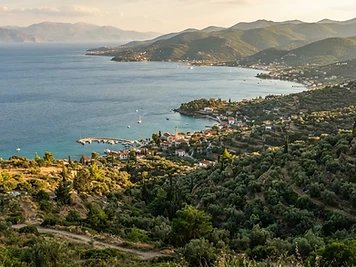
Lesvos
The third largest Greek island — an unhurried North Aegean world of olive groves, ouzeries, castles, a petrified forest and long empty beaches.
“A whole world of an island: ouzo country, a petrified forest, a Byzantine monastery and villages that see almost no tourists.”

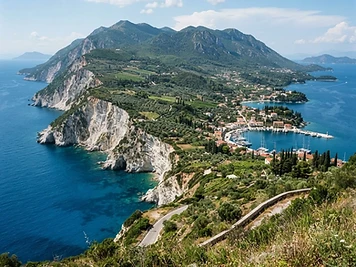
Zakynthos
The southern Ionian island known for the shipwreck cove and the turtles that nest on its beaches, with a green interior few visitors bother with.
“An island of two halves: the white cliffs and turtle beaches of the south and west, and an east-coast resort strip that most people see first.”

Skiathos Town
The port of Skiathos — the old harbour, the Bourtzi peninsula, the Papadiamantis house, and a summer crowd that arrives for the evening.
“A harbour town fitted around a wooded peninsula, with the best restaurants on the island and a bar scene that runs until four.”
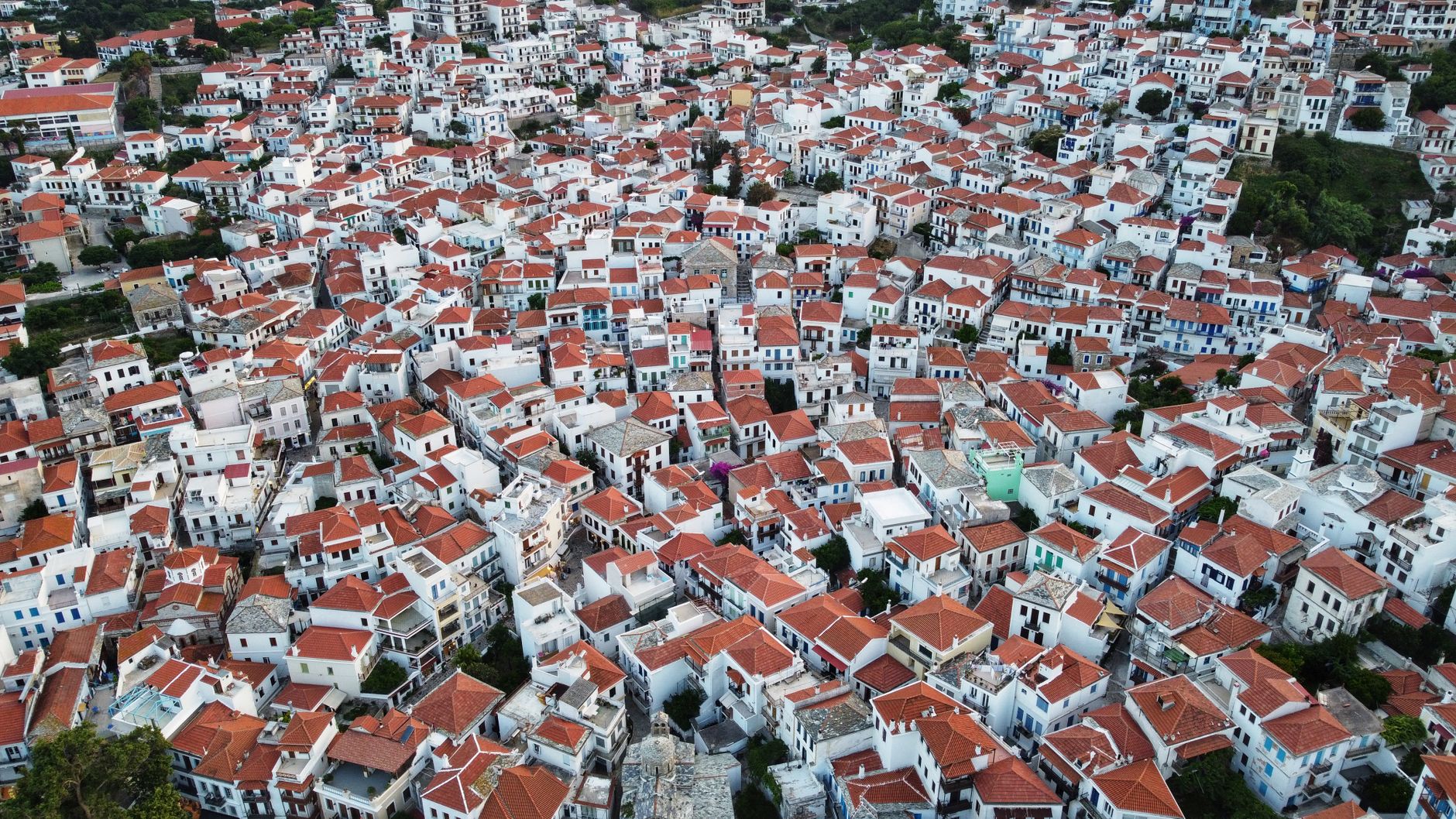
Skopelos Chora
The harbour town of Skopelos, built in tiers up a hill, with more than a hundred small churches and tavernas around the port.
“An amphitheatre of white houses above a harbour, a church on almost every corner, and steep lanes between them.”

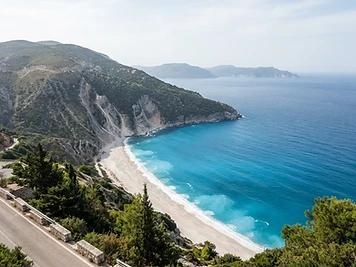
Kefalonia
The largest Ionian island — white pebble beaches under cliffs, an underground lake, a fir-covered mountain, and a Venetian harbour village in the north.
“The biggest island in the Ionian and the one with the most variety: white cliffs and turquoise bays in the north, green slopes and vineyards in the middle, a proper capital in the south.”
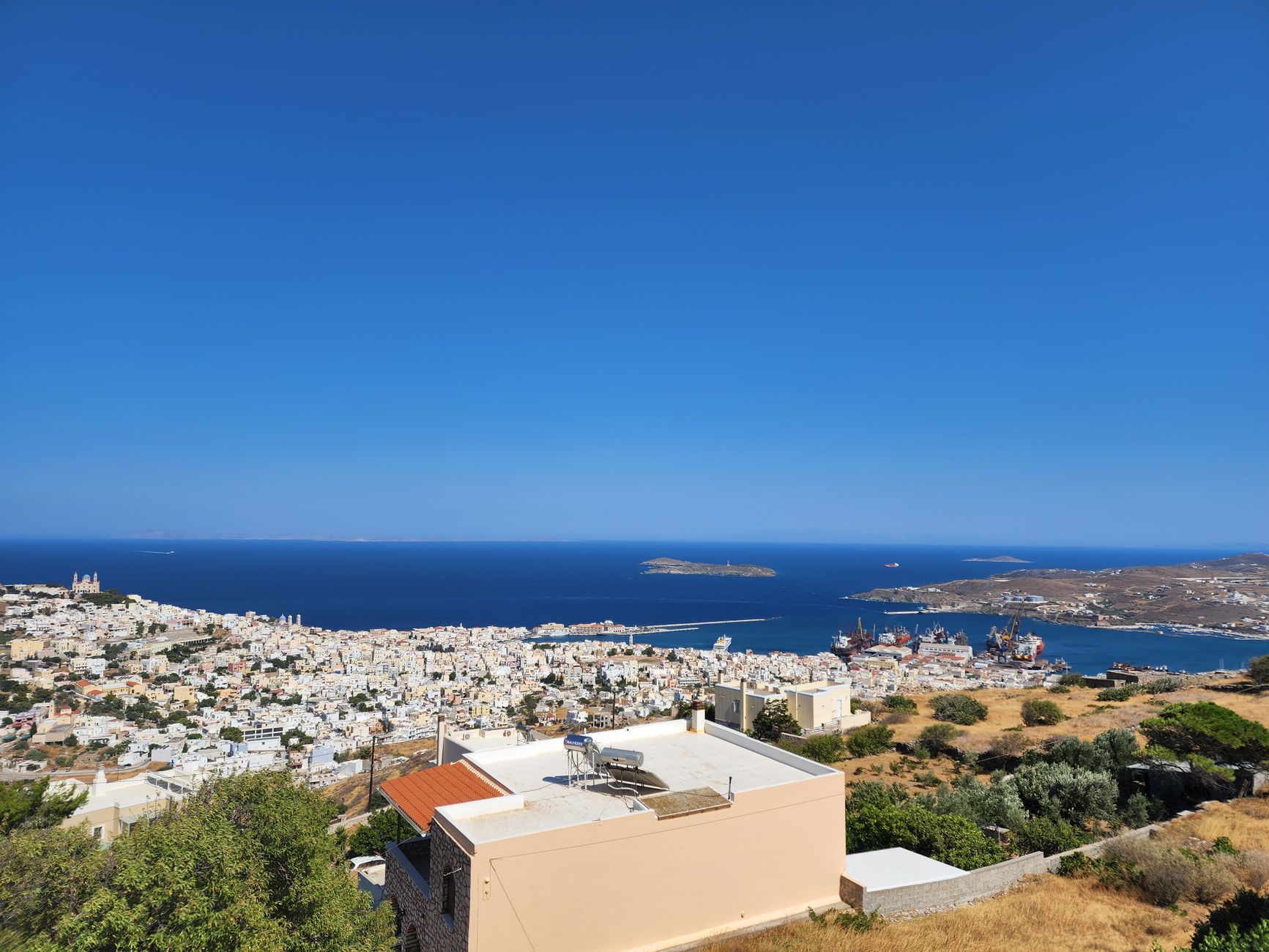
Ermoupoli
The capital of Syros and of the Cyclades — a neoclassical port town of marble paving and pastel facades, built on twin hills in the 1820s.
“The only Cycladic town that feels like a city, and a pleasant one: marble squares, arcades, a theatre, and a harbour that works all year.”
Signature feature
Find your island.
There are dozens of Greek islands and they are not interchangeable. Answer a few honest questions about what you actually want — beaches, quiet, food, how much friction you'll tolerate, whether you'll rent a car — and we'll suggest islands that fit, and explain why they might not.
Start the questionnaireExplore the island groups
Seven different Greeces
Sporades
A green, pine-scented alternative to the Cyclades for travelers who want beaches without the bare-rock aesthetic.
North Aegean
The deep cut for repeat visitors — remote, authentic and largely untouched by mass tourism.
Saronic Islands
The easiest island taste from Athens — but easy, not necessarily the best Greece has to offer.
Crete
Crete isn't another island stop — for many travelers it's a whole trip of its own, and the strongest single-island choice in Greece.
Cyclades
The iconic Greece — but the famous names are only part of the story, and the quieter Cyclades are often the better trip.
Ionian Islands
The lush, green Greece — choose the Ionian when you want calm swimming water and wooded coastlines over bare Cycladic rock.
Dodecanese
The best choice for a late or early season island trip — and for travelers who want medieval history alongside beaches.
What's actually worth your time
Things worth planning around

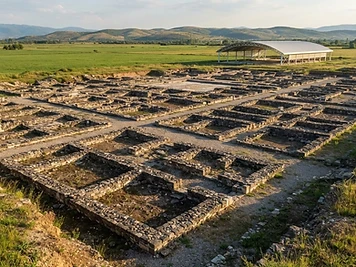
Pella
The capital of ancient Macedonia, where Alexander was born and the pebble mosaics are among the finest of the Greek world.
“Small, quiet and essential: this is where Macedonian power was made, and the mosaics alone justify the stop.”

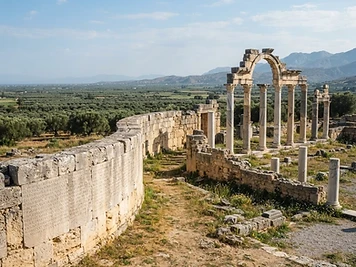
Gortyn
The Roman capital of Crete, with a sixth-century basilica and the stone code of laws that predates Solon.
“Come for the law code and the basilica — the rest of the Roman city is still underground.”

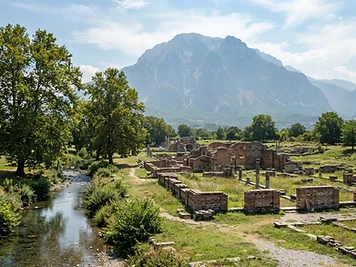
Dion
The sacred city of the Macedonians at the foot of Mount Olympus, with a Roman bath complex and mosaics that survived under water.
“An easy, green, walkable site that pairs with Olympus — and the mosaics repay a second hour.”

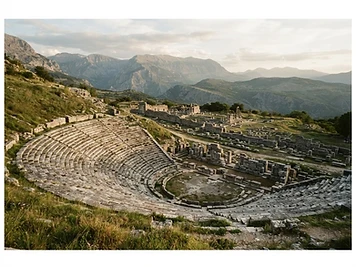
Dodona
The oldest oracle in Greece, in a valley below the mountains of Epirus, with a theatre that seats eighteen thousand.
“Come for the oracle and stay for the theatre — and go early, because there is no shade anywhere.”
Decide between them
Plan & compare
Starting points
Sample itineraries
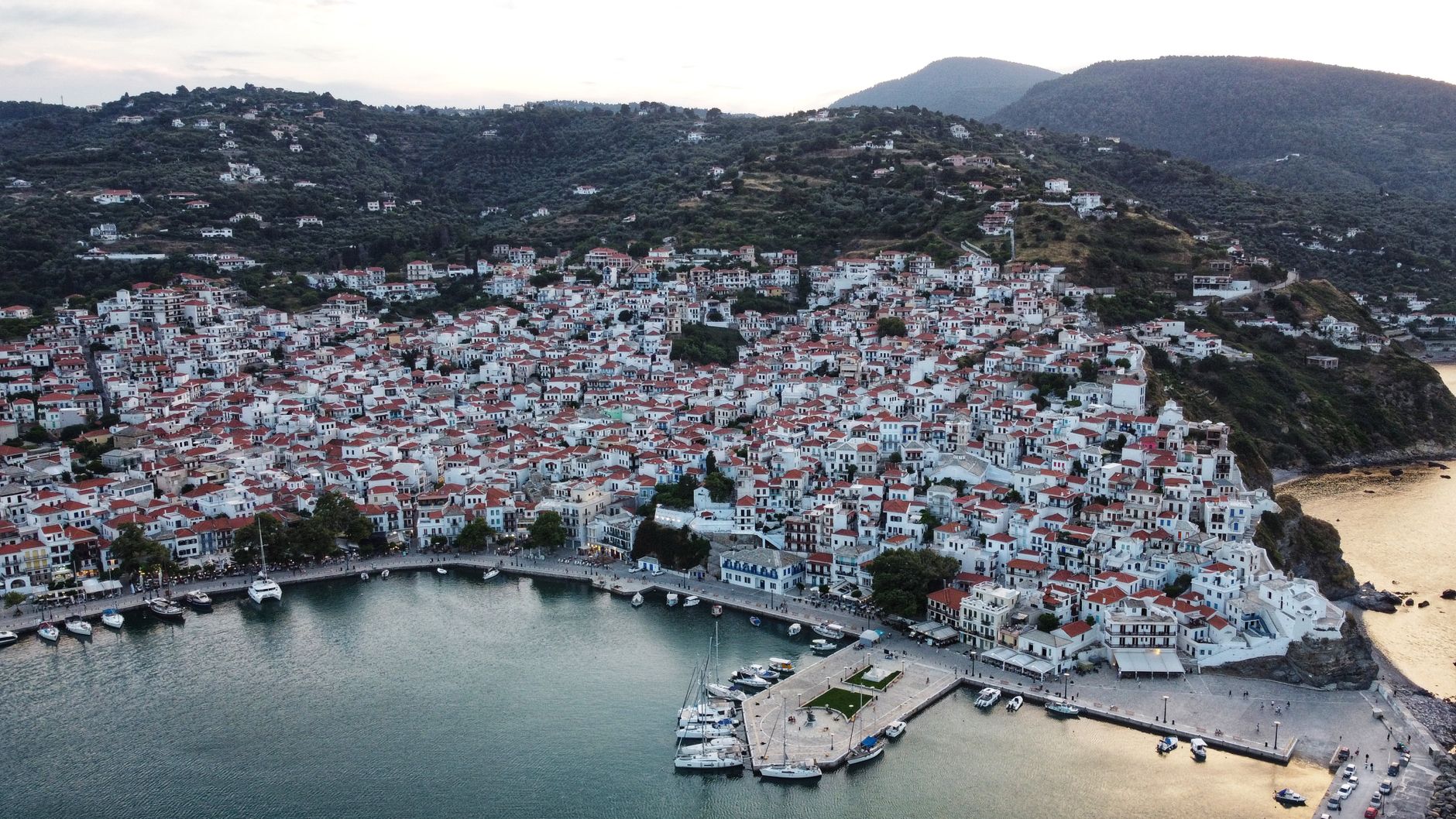
A Week in the Sporades
A week across the Sporades: three nights on Skiathos for the beaches, two on Skopelos for the villages and the pines, then south to Alonissos and the marine park. Short ferries, no airports after the first one, and a different island character every two days.

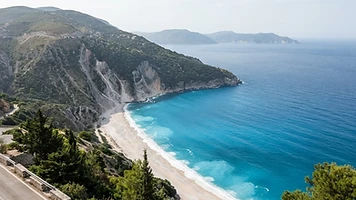
Kefalonia and Zakynthos in a Week
A week in the Ionian that spends five nights on Kefalonia for the cliffs, the caves and the mountain road, then crosses to Zakynthos for the shipwreck cove and the turtles. Both islands need a car and reward early starts.

The Classic Cyclades Week
The first-Greece trip we'd actually recommend: Athens for the Acropolis, then the two Cyclades islands that give you the postcard without the chaos — Naxos for beaches and villages, Santorini for the sunset you came for.
Next step
You've decided what belongs in the trip. Give the planner your places and dates, and it builds the days around your pace and budget.