Vertical guide
Beaches
Greece has the best beaches in Europe, and too many to list. The point isn't to find “the best beach” — it's to find the right beach for you: a long sandy Cycladic stretch, a dramatic volcanic cove, an Ionian cliff beach, or a wild shallow lagoon. This guide sorts the beaches that actually matter by what kind of beach day you want.
- Best months
- June & September
- Car needed
- Often — for the best ones
- Midday
- Avoid in July & August
- Ionian vs Aegean
- Calmer west, windier east
Why Greek beaches are the way they are
The clearest water in Europe
The Aegean is clear for a simple reason: almost no rivers empty into it. The sea gets little sediment and few nutrients, which is why it's so blue — and, unlike the Atlantic, not murky. The same geology that makes the islands dry makes the water a swimming pool.
What it doesn't make is warm. The Aegean stays cool into July, churned by the Meltemi — the strong northerly that blows from May into September. The Meltemi is why the Cyclades feel brisk at midday in August, why ferry schedules sometimes collapse for a day, and why the windward side of an island is rough while the lee side is where everyone swims.
Shallow turquoise lagoons
Lagoon beaches
Shallow, warm, turquoise water you can wade far out into — the beaches that look most like a swimming pool. Both famous ones are in Crete, and both need a drive.
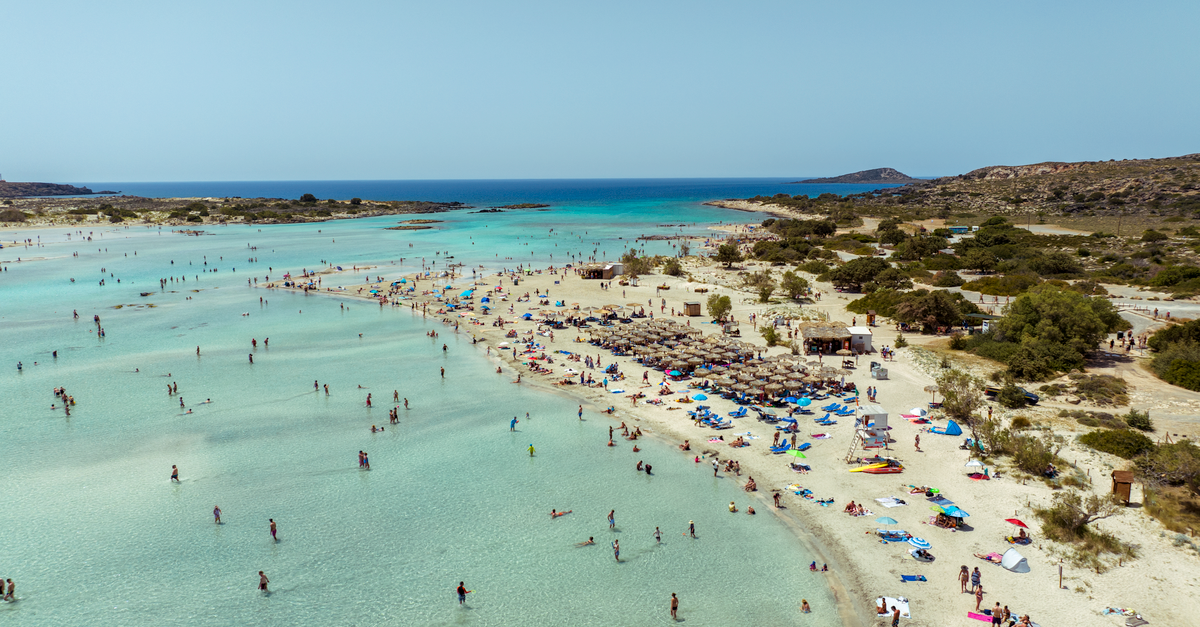
Elafonissi Beach
Pink-tinted sand and a shallow turquoise lagoon you can wade straight into, looking almost unreal. A long drive across western Crete, but the color alone justifies it.
“Recommended — a pink-sand lagoon so shallow and turquoise it looks artificial; worth the long drive across western Crete.”
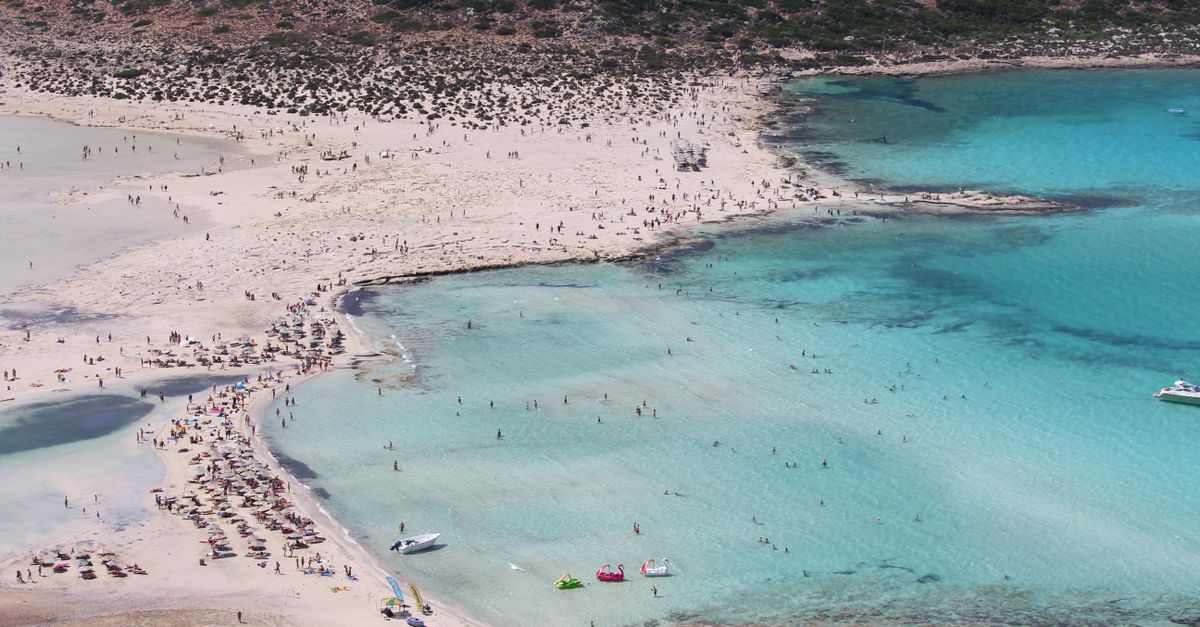
Balos Beach
A famous lagoon beach on Crete's far northwest tip — turquoise shallow water and a wild, remote setting.
“Recommended — one of the most photographed beaches in Greece, and worth the effort if you're already in western Crete.”
Greece has the 11th-longest coastline in the world — about 13,676 km — despite being a mid-sized country. The islands do the work.
Elafonissi's blush comes from crushed fragments of foraminifera — tiny red-shelled organisms that live on the rocks just offshore.
Navagio Beach on Zakynthos is named for the MV Panagiotis, a coaster said to have run aground chasing cigarette smugglers in 1983. The story shifts with the telling.
At Balos lagoon in Crete you can walk hundreds of meters out and the water barely reaches your waist — the reason it looks like a swimming pool from the cliff above.
Long and sandy
Long sandy stretches
The easy beach day: a long stretch of soft sand, shallow water, sunbeds and a taverna behind. These are the beaches you base a family trip around.
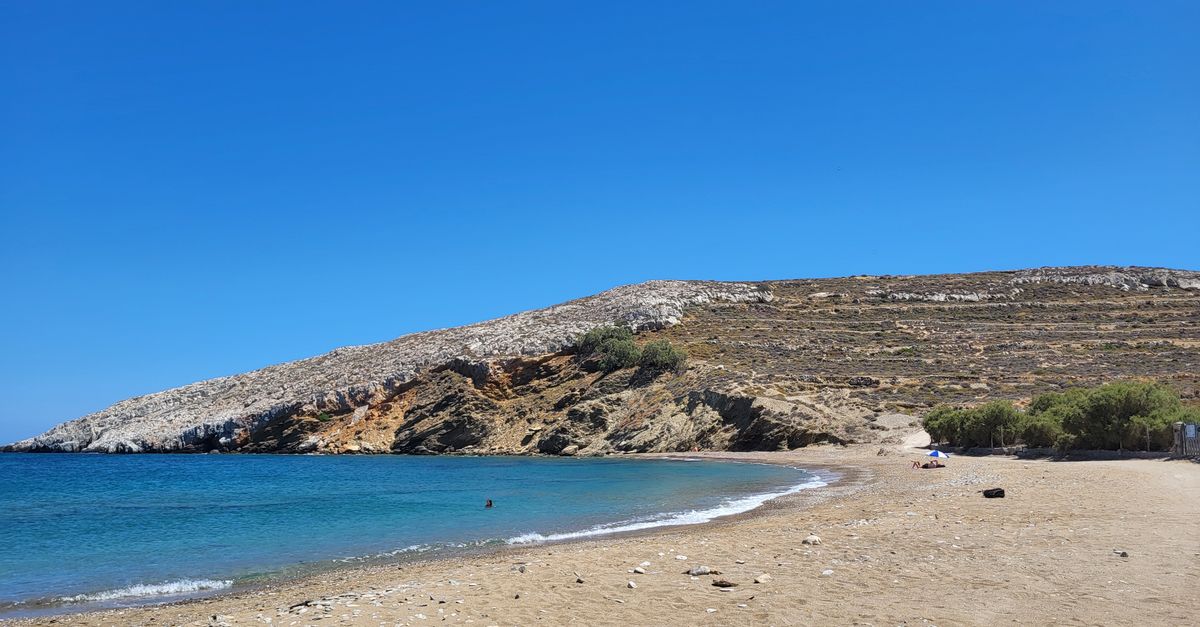
Plaka Beach
Long, easy stretch of soft sand and shallow water with tavernas and rooms behind it. One of the Cyclades' most relaxed beaches, and a reason to base in Naxos.
“Recommended — one of the longest, easiest sandy beaches in the Cyclades, and a reason to base in Naxos.”
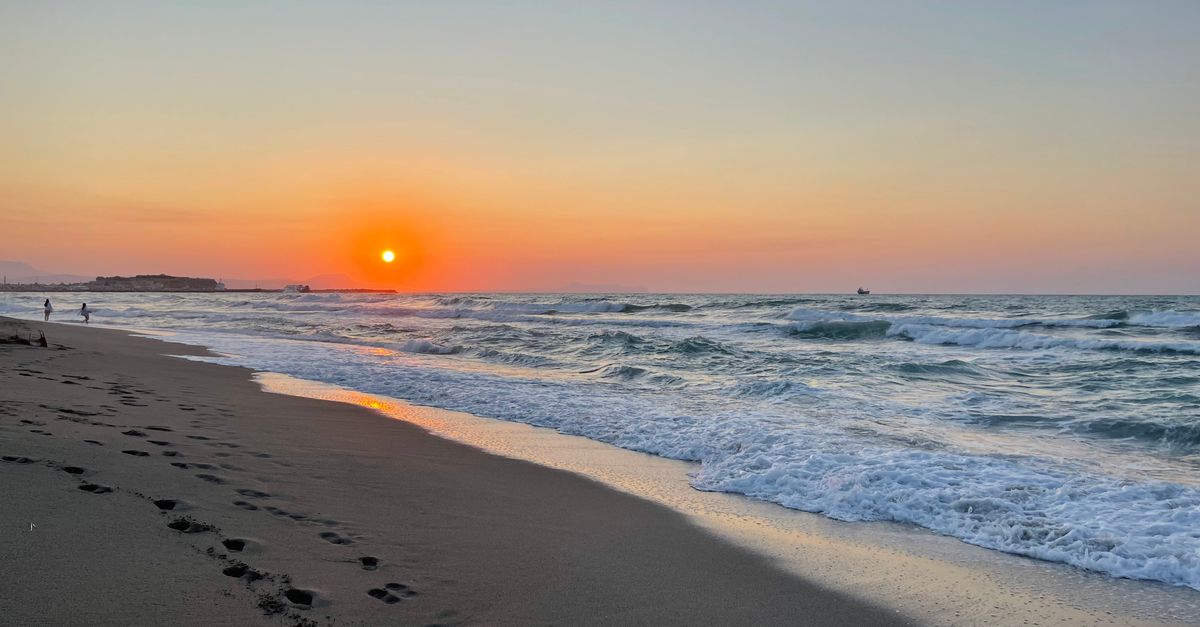
Falassarna Beach
Wide soft-sand beach with proper sunbeds and tavernas, reachable by a normal road. Western Crete's easy beach day, with far less hassle than Balos.
“Recommended — the best long sandy beach in western Crete, and far less fraught than Balos.”
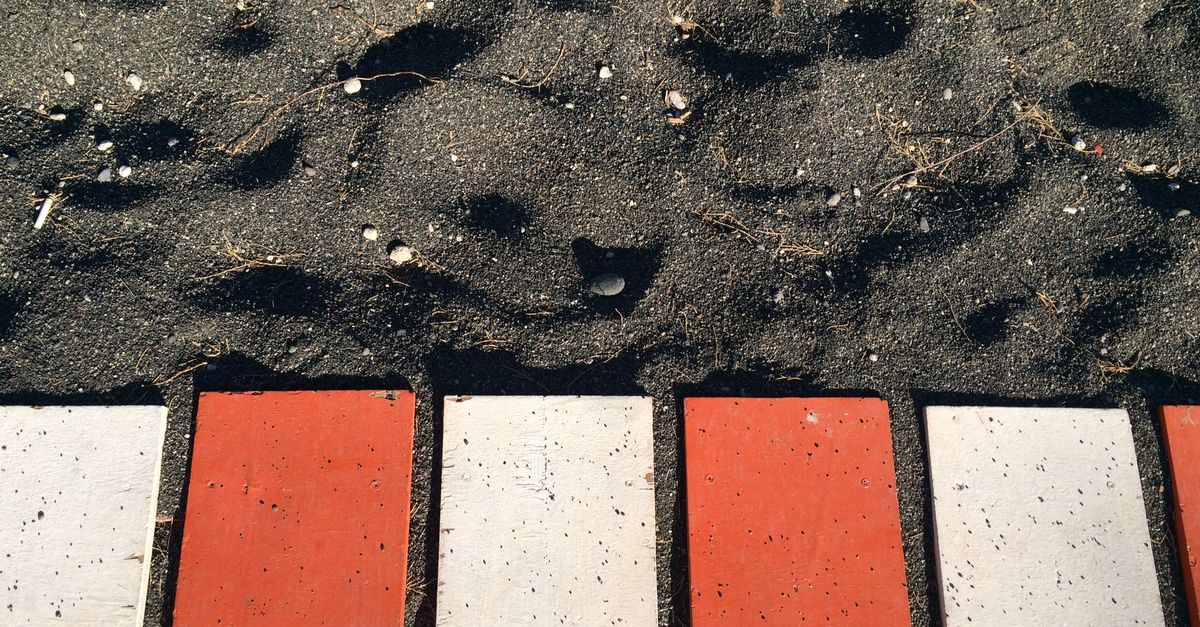
Perissa Beach
Long stretch of black volcanic sand backed by Mesa Vouno, with beach bars and sunbeds. Santorini's best proper beach, though beaches aren't why anyone comes here.
“Optional — the best beach on Santorini if you want sand, but beaches are not why you come to this island.”
Dramatic geology
Cliffs, rock and white stone
Beaches where the landscape is the point — white volcanic rock, granite boulders, cliff-backed white sand. Less about lying down, more about looking.

Sarakiniko
Blinding-white volcanic rock sculpted into smooth lunar curves above the sea, with a shipwreck and cliff-jumping spots nearby. Unlike any other beach in Greece.
“Essential if you're on Milos — a lunar landscape of white volcanic rock bent into smooth curves above the sea, unlike any beach in Greece.”
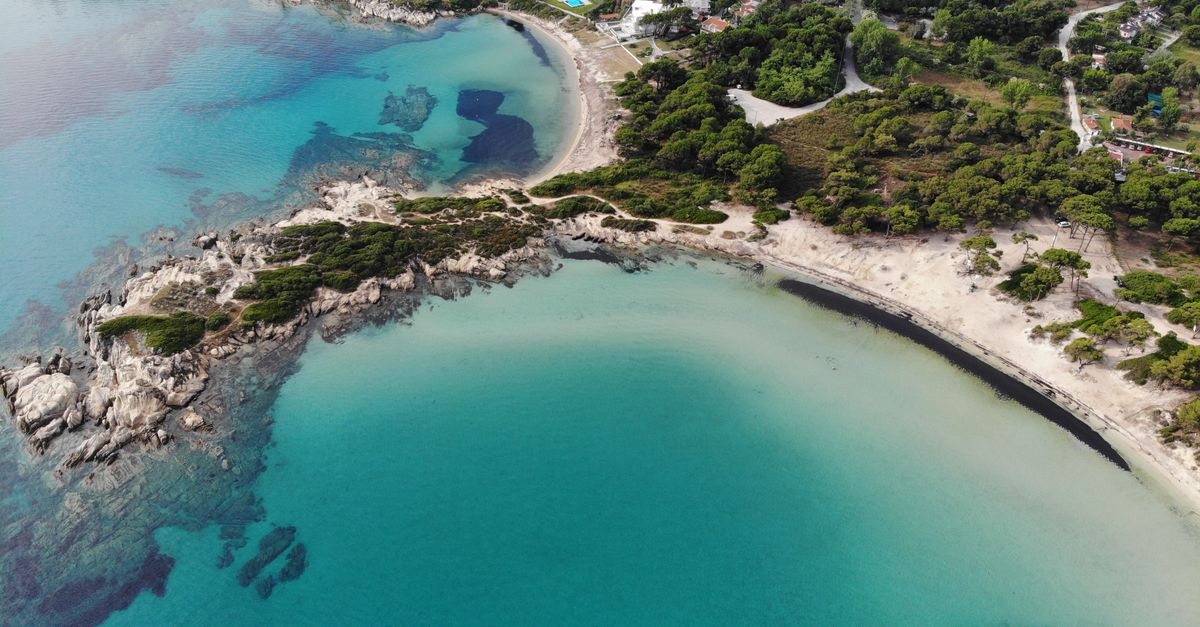
Kolymbithres
Rounded granite boulders carving out small sandy coves and natural pools. Paros' most distinctive beach, looking more sculpted than natural.
“Recommended — smooth granite boulders forming sculpted sea pools, the most distinctive beach on Paros.”
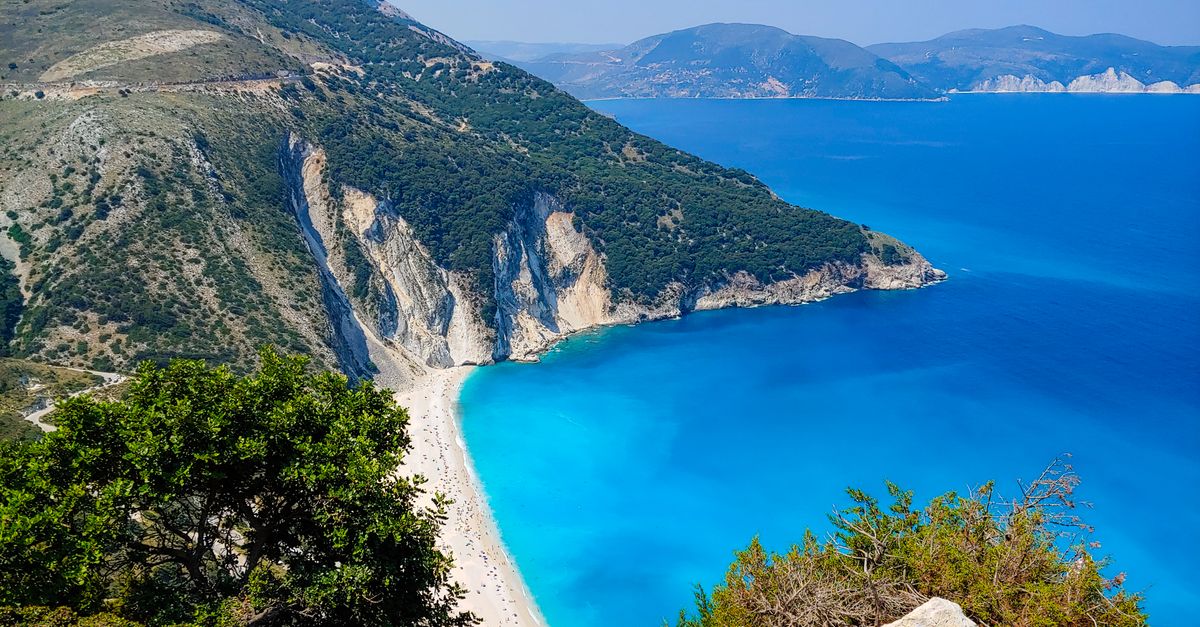
Myrtos Beach
White pebble crescent below towering cliffs, best seen first from the clifftop road above. Kefalonia's most photographed beach, for good reason.
“Recommended — the most photographed beach in the Ionian, a white crescent below towering cliffs.”
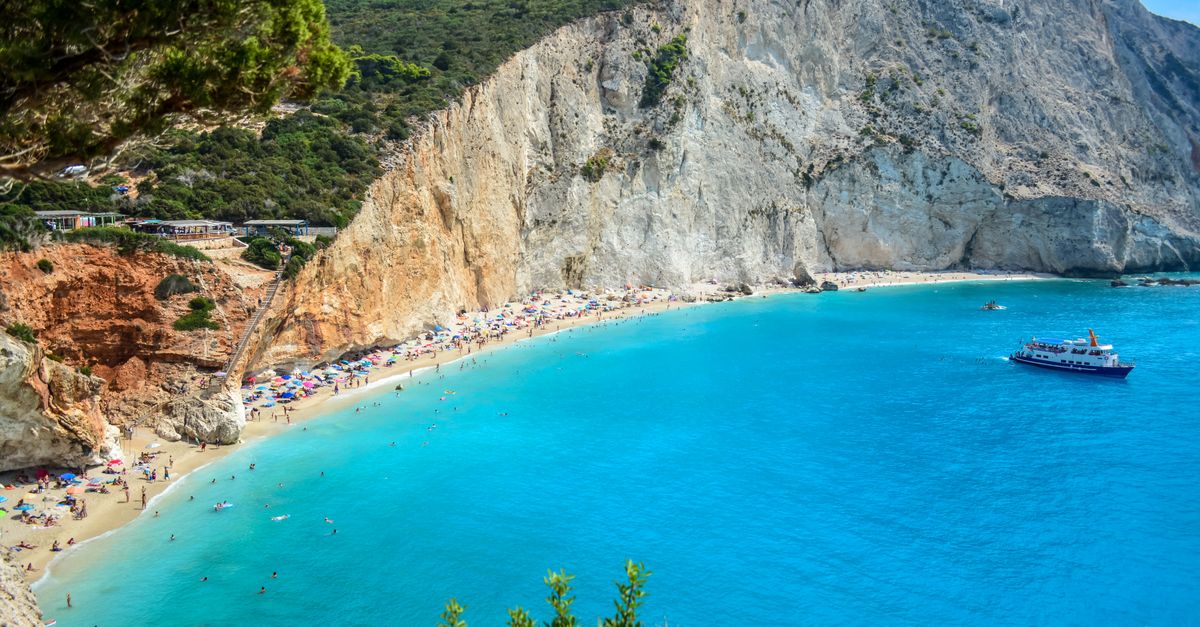
Porto Katsiki
White sand strip beneath sheer cliffs, reached down stairs cut into the rock. One of the most dramatic beaches in the Ionian, and Lefkada's signature shot.
“Recommended — one of the most dramatic Ionian beaches: a strip of white sand at the foot of a cliff.”
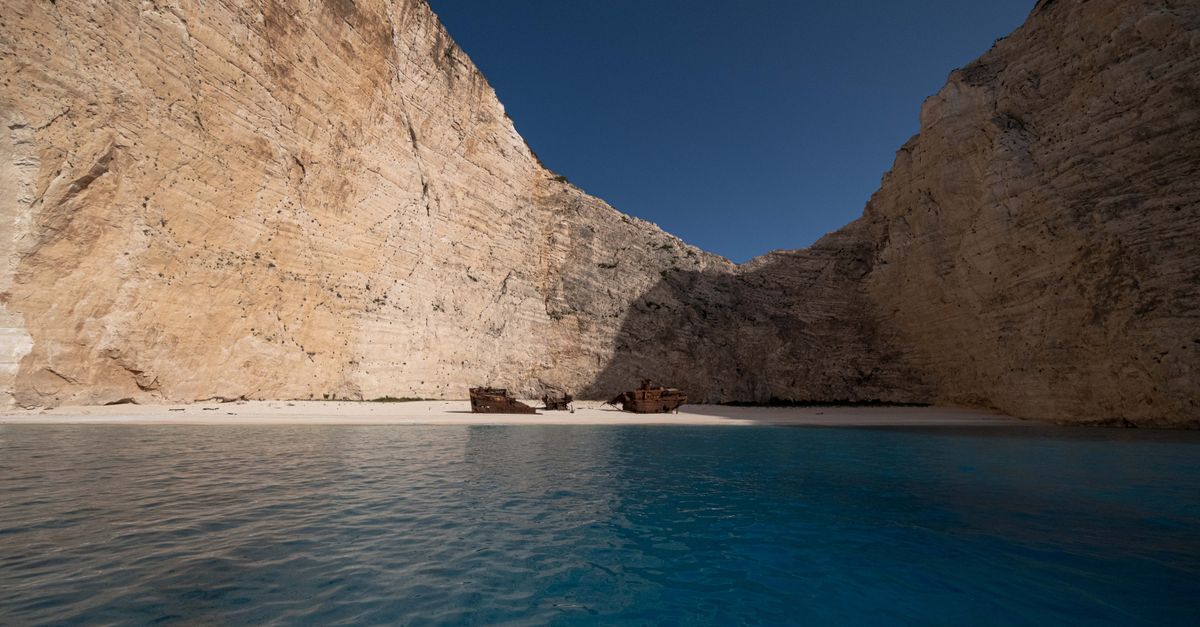
Navagio (Shipwreck Beach)
Rusty shipwreck on white sand in an enclosed cove, famous from the clifftop view above. The beach itself is a crowded, boat-herded affair, so the photo is the point.
“Optional — the famous shipwreck cove is stunning from above, but the beach itself is a crowded, boat-herding experience.”
“In the sixties you swam naked on Super Paradise because there was no road, no road meant no police, and no police meant no rules. Then someone built a road.”
Mykonos's beach culture began as a refuge — gay travelers and northern Europeans who wanted a beach the Greek state couldn't reach. The road arrived in the 1980s, the clubs followed, and the beach that gave the island its reputation became the thing it sells. The freedom is gone; the mythology is the business.
Beach clubs vs wild coves
The split
Most Greek beaches are still free and wild — a strip of sand, a taverna, a plastic chair. A few are not. Since the 2010s a handful of beaches on Mykonos, Paros, and the Athens riviera have become something closer to nightclubs with sand: minimum spend, bottle service, DJs. The most famous charge hundreds of euros for a sunbed in August.
The divide is generational and geographical. Greeks over forty tend to find it absurd; the crowd that pays tends to be young, foreign, and on a short holiday. If a beach club is what you want, this guide marks them honestly. If it isn't, the wild-cove sections above are most of the country.
The scene
Beach clubs
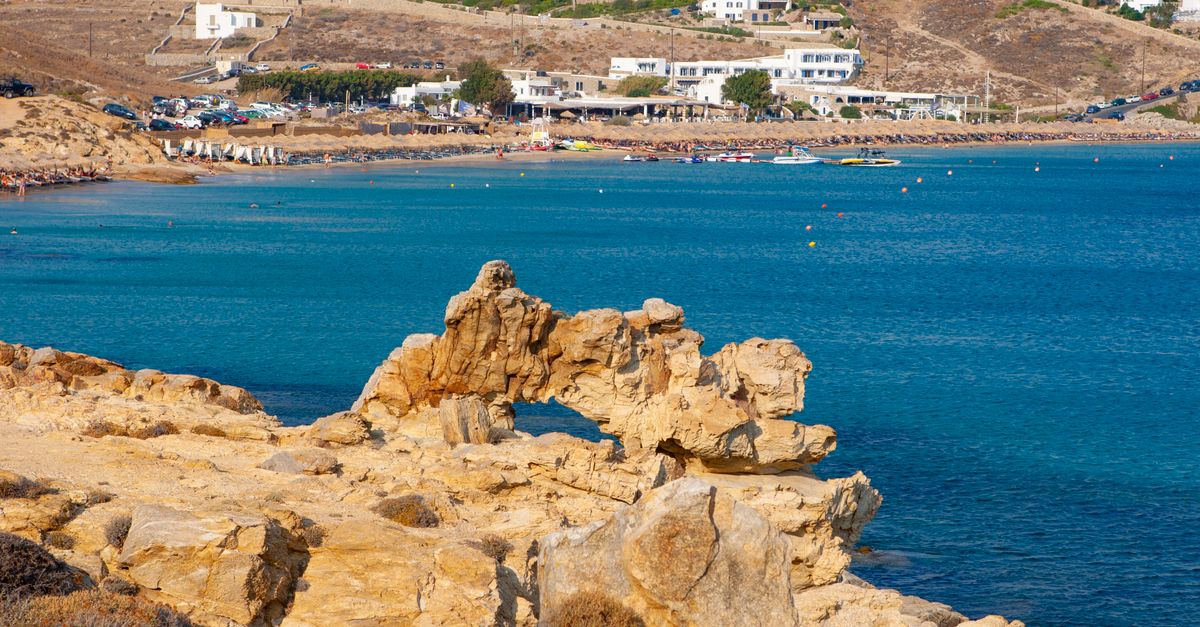
Where the beach is a party. Come for the music, the drinks and the crowd — not for a quiet swim. Not for everyone, exactly what some people want.
Index
Every beach in the guide
The full list behind this guide, including the beaches that don't need a section of their own.