Where to stay
The area decides the trip.
On a Greek island, the town you sleep in matters more than the hotel you sleep in. Five kilometres can mean a different island: a harbour you walk, a beach you drive to, a village that goes silent at ten. We break each destination into the areas people actually choose between, and say which one we would book — and when we would not.
- Destinations
- 15 places, area by area
- Areas compared
- 60 and counting
- Stated plainly
- Noise, walkability, beach access, relative cost
- Method
- Editorial judgment, not hotel listings
How we judge an area
Four things decide whether you will enjoy your own hotel.
What is on foot
Whether you can walk to dinner, to a swim, and to the ferry — or whether every move needs a car or a bus that stops at nine.
What you hear at midnight
A caldera village and a resort strip can share a postcode and share nothing else. Noise is the difference travelers notice on night one.
What the bed actually is
Cave suite, converted captain’s house, purpose-built block behind a beach. The room type tells you who the area was built for.
What it costs, relatively
Bands are set against the rest of that island, not against other islands, because the gap between two villages on one island is often wider.
Filter, or read straight down.
Cyclades
6 destinations
Milos
A sandy cove, fish tavernas at the water, and the quietest good base on Milos.
3 areas · Pollonia · Adamas · Plaka & Trypiti

Mykonos
The only part of Mykonos where you can walk to everything, including the ferry.
4 areas · Mykonos Town (Chora) · Ornos & Platis Gialos · Agios Ioannis & Agios Stefanos · Elia

Naxos
The rare island capital that is both the practical base and a good place to spend an evening.
4 areas · Naxos Chora · Agios Prokopios & Agia Anna · Plaka & Mikri Vigla · Halki & the Tragaia
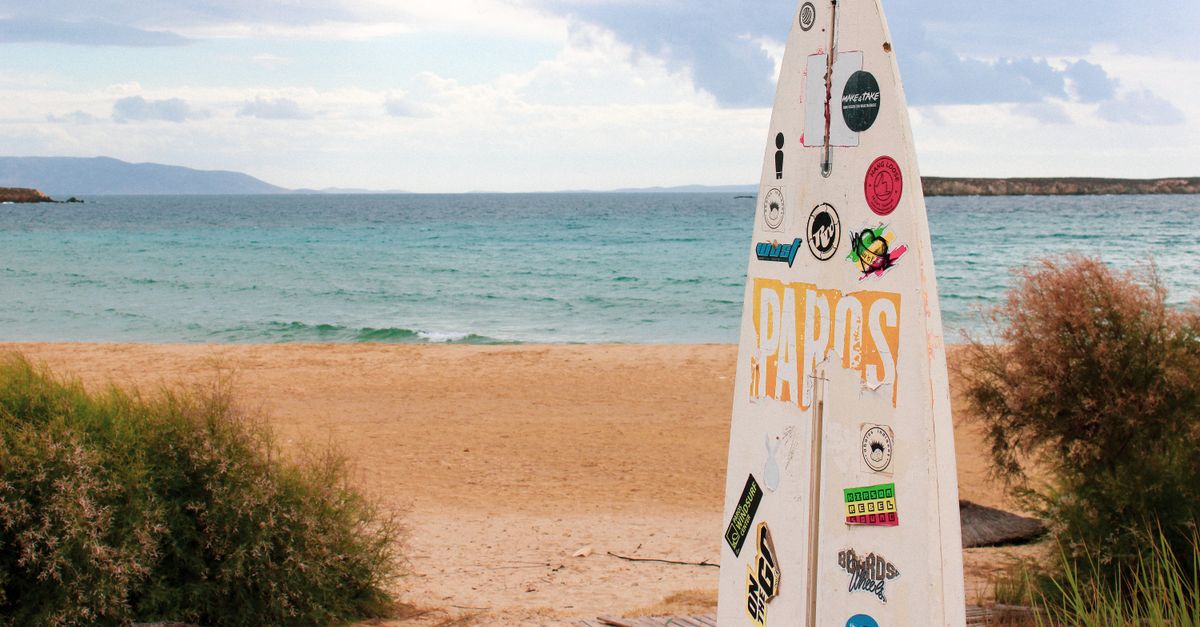
Paros
The best place in the Cyclades to be hungry at nine in the evening.
4 areas · Naoussa · Parikia · Aliki · Drios & Golden Beach


Santorini
The caldera view without Oia's afternoon crush — the base we would book for a first visit.
5 areas · Imerovigli · Oia · Fira · Pyrgos & Megalochori · Kamari & Perissa
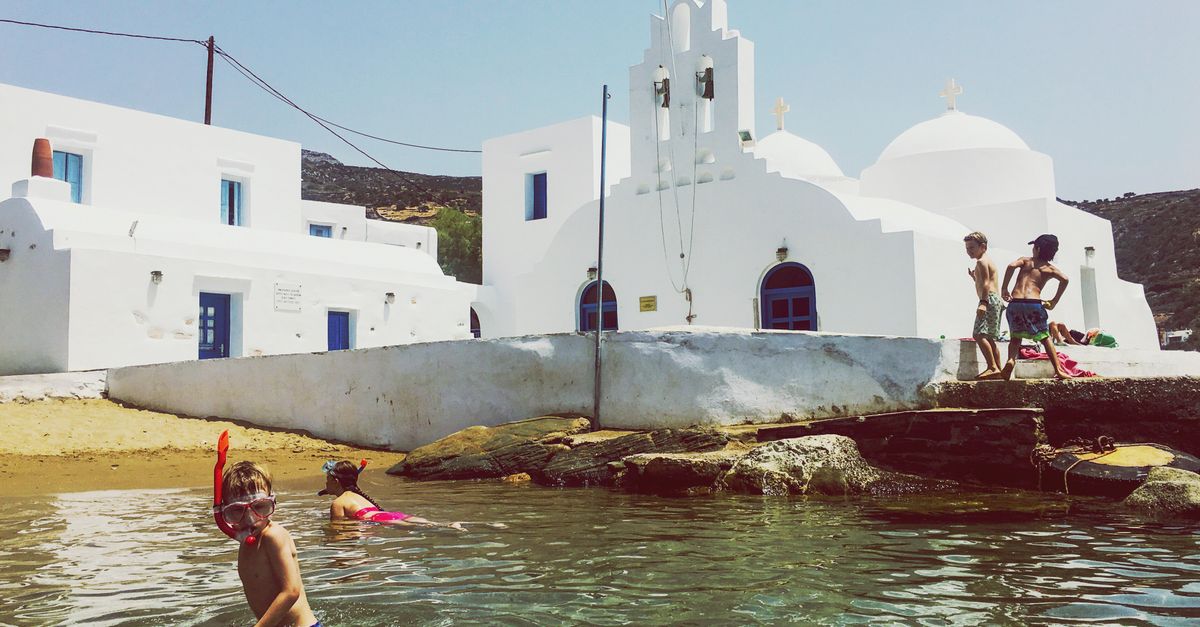
Sifnos
The best eating on Sifnos, in two villages joined by a lane.
4 areas · Apollonia & Artemonas · Platis Gialos · Kamares · Vathi
Ionian Islands
4 destinations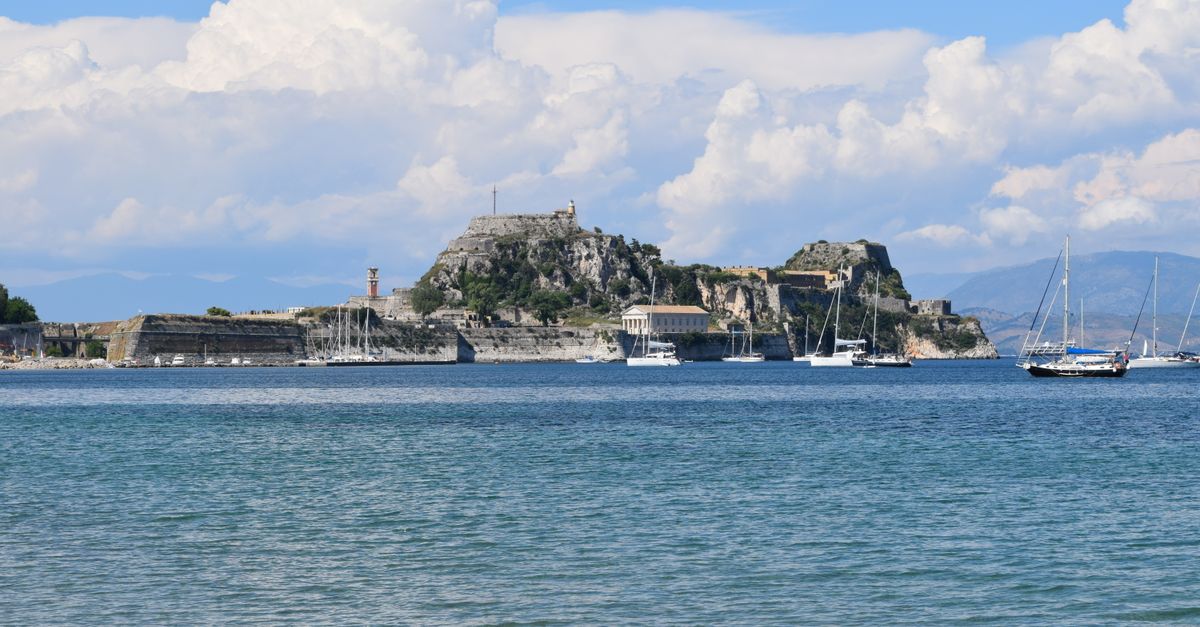
Corfu
The only Greek island capital that feels like a small European city, and the right base if you want to walk.
4 areas · Corfu Town · Kassiopi & the North-East · Paleokastritsa · Benitses & the South-East

Kefalonia
The only Kefalonia base where you can walk to dinner and to a beach in the same evening.
4 areas · Argostoli & Lassi · Fiscardo · Skala · Assos

Lefkada
The practical, walkable base — and the only place on Lefkada where you do not need the car for dinner.
4 areas · Lefkada Town · Agios Nikitas & the West Coast · Nydri · Vassiliki

Zakynthos
The only place on Zakynthos where you can walk to dinner, the ferry and the boat trips.
4 areas · Zakynthos Town · Tsilivi · Vasilikos · Laganas
Dodecanese
1 destination
Saronic Islands
1 destination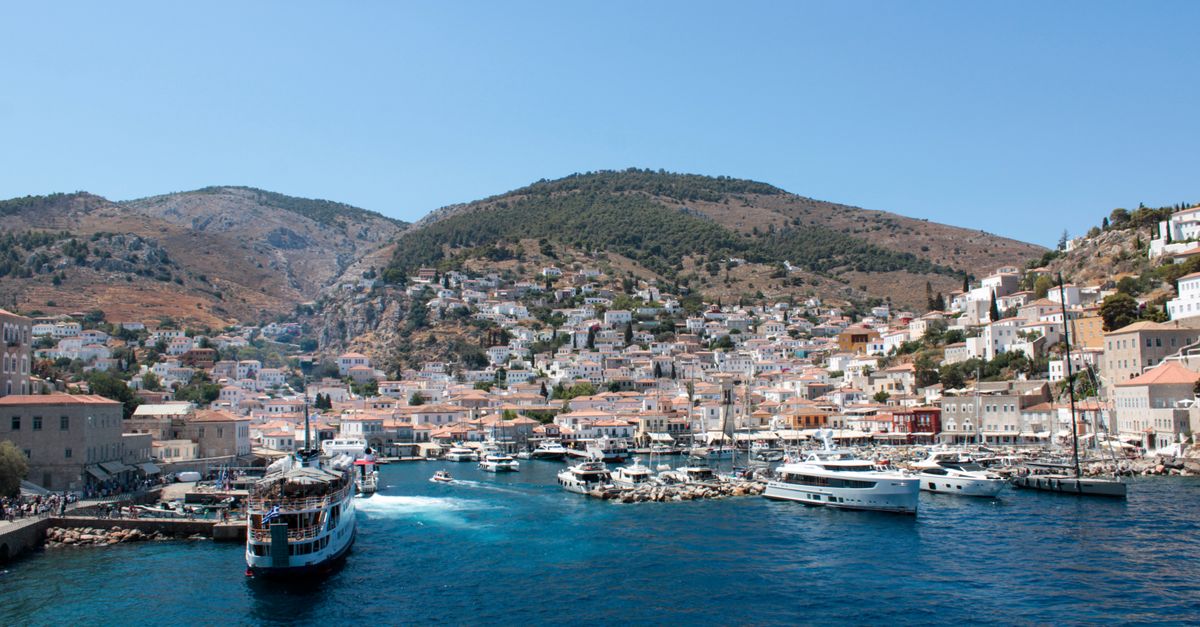
Crete
1 destination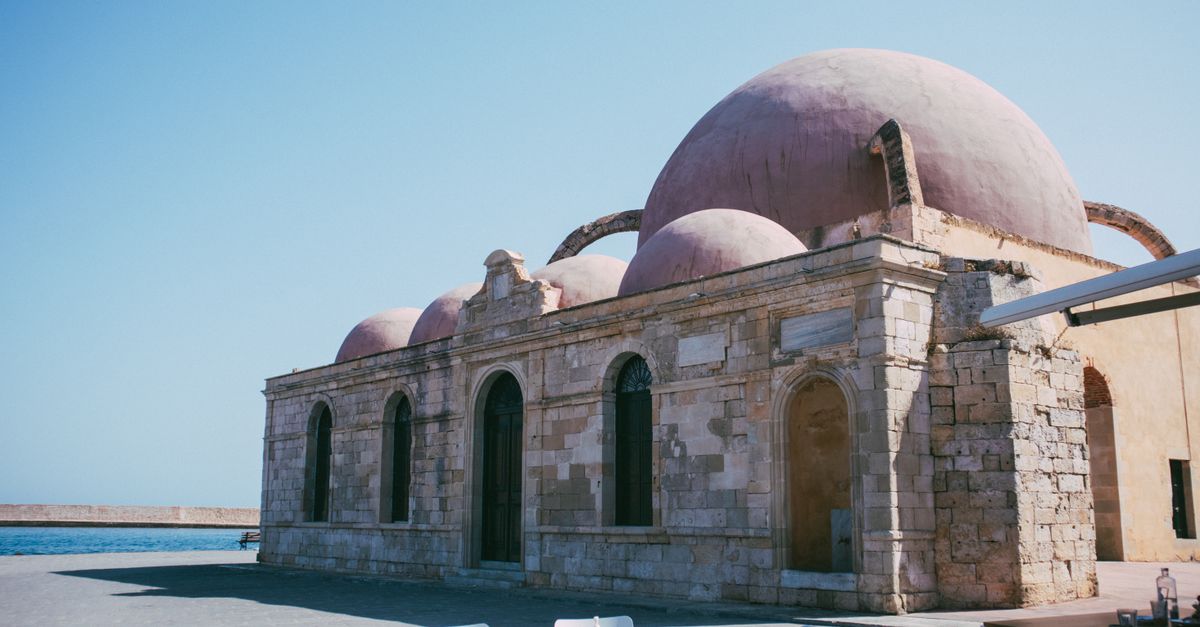
Athens & Attica
1 destination

Greek Macedonia
1 destination
Once the base is settled
Area decided, the rest of the trip follows: how you move between places, how many nights each one earns, and which islands are worth the ferry to reach them.
Next step
Base settled? The planner builds the days around the area you chose, with the travel time already counted.