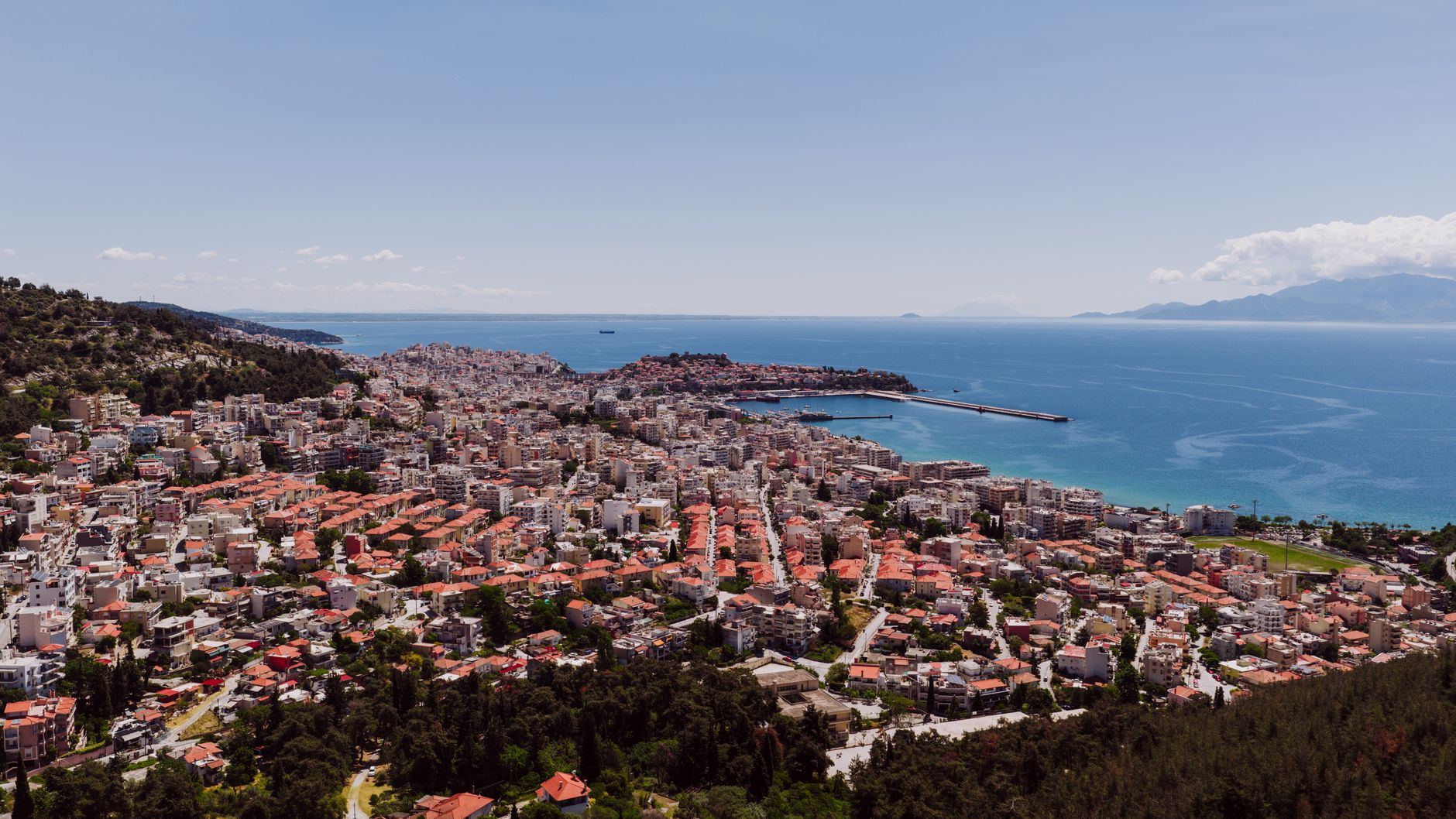
Kavala
Photo: K / Pexels
The Verdict
Worth a night if you're routing through northern Greece or catching a ferry to Thasos; not a destination on its own.
Why go
Kavala climbs steeply from a deep natural harbor to a Byzantine fortress, with the arched Kamares aqueduct cutting directly through modern traffic. The old district, Panagia, holds narrow cobbled lanes, timber-framed Ottoman houses, and the Imaret, an expansive religious complex from the early nineteenth century. Below, massive stone warehouses stand as silent markers of the city's pre-war status as the Aegean's tobacco capital. A visit centers on moving between these layers on foot. You climb up past the castle walls for views of the bay, then descend to the harborfront where fishing boats still outnumber excursion craft. The quayside tavernas serve salted sardines, grilled octopus, and small plates without the resort markup found further south. It is an unhurried, functional town that feels lived-in rather than staged. The trade-off is clear: Kavala is not an independent holiday hub. It lacks immediate sandy shores, meaning travelers expecting a standard beach town will be disappointed. Use it as an overnight waypoint while traversing northern Greece or as an easy base before catching the early morning ferry across to Thasos.
Understand the place
A hillside port city with a Byzantine aqueduct, Ottoman quarter and tobacco-warehouse architecture paid for by a trade that's long gone. Rarely crowded, rarely rushed.
The old world
History & archaeology
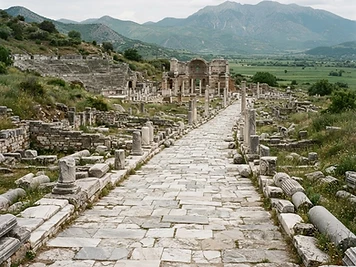
Easy to combine with
Logically reachable by transport. Confirm current ferry/flight schedules before booking.
Nearby
Related
Sources
Booking links
Commercial links: we may earn a commission if you book through them, at no extra cost to you.
Plan this trip
Greece Field Guide helps you decide. When you're ready to arrange it, take your saved places to an itinerary.