Quiet Islands Away From the Crowds

Editorial collection

Quiet Islands Away From the Crowds

9 min read · 10 places

The Premise

This collection exists for one traveler: someone who has already done Santorini's caldera selfie line, already eaten overpriced moussaka in Mykonos Town while cruise horns blared, and decided never again. These five islands are for people who want the Greece that still has room to sit down — a taverna table without a reservation app, a cove without a speedboat parked in it, a ferry schedule that isn't built around disgorging three thousand day-trippers at ten a.m. and reloading them by four.

That doesn't mean these islands are empty or undiscovered. Sifnos gets busy in August. Hydra fills with Athenian weekenders every Friday night. What it means is that the crowd here is still proportionate to the place — you can out-walk it, out-wait it, or simply choose the right month and have something close to the whole island to yourself.

The common traveler profile is someone with at least five to seven days, a willingness to take a ferry that isn't the fastest option, and more interest in a good dinner and a quiet swim than in nightlife or infinity pools. If you want beach clubs and bottle service, this is the wrong list — go to Mykonos and don't pretend otherwise.

What these islands share is restraint: low-rise architecture, tavernas run by the same family for decades, and local life that continues whether or not a tourist is watching. What separates them is geography, culture, and how much effort it takes to get there — which is exactly why the order matters.

One Thesis, Five Landscapes

Sifnos and Milos both sit in the Cyclades, but they could be different countries. Sifnos is soft — terraced hills, whitewashed villages like Kastro and Artemonas, a food culture built around clay-pot cooking that produced Nikos Tselementes, the man who literally wrote the book on Greek cuisine. Milos is geology doing stunt work: the lunar rock flats of Sarakiniko, the sea caves at Kleftiko, a coastline shaped by volcanic and mining history rather than postcard symmetry. Both are quiet by Cycladic standards. Neither looks like the other.

The Sporades break the Cycladic mold entirely. Skopelos and Alonnisos are pine forest down to the waterline, not bare rock — closer to the Ionian in feel, cooler, greener, with a marine park around Alonnisos protecting Mediterranean monk seals. This is Greece for people who find the Cyclades too stark, too sun-bleached, too photographed-to-death.

Hydra is a different animal again: a Saronic island with no cars or motorbikes of any kind, donkeys hauling luggage up stone staircases, shipping-captain mansions stacked around an amphitheater harbor. It's the only entry here that's a genuine short trip from Athens rather than a commitment.

And then the North Aegean — Lesvos, Chios, Samos, Ikaria — is almost a separate country within Greece: ouzo distilleries, mastic-growing villages, Byzantine and Ottoman layering, longer ferry rides, and tourism infrastructure that still assumes you speak at least some Greek. These islands don't perform for visitors. That's the whole point.

Why This Order

This list is not alphabetical and it's not random — it's a gradient of commitment, running from easiest re-entry into slow Greece to the deepest cut for people who've already proven they mean it. Sifnos opens the list because it asks the least of a first-timer: direct ferries from Piraeus, excellent food within walking distance of your room, and a scale small enough to cover on foot in four days. If someone's only going to try one island on this list, it should be this one.

Sporades comes second because it immediately tells you this collection isn't a Cyclades-only club — it widens the idea of what a quiet Greek island looks like before you get comfortable with one template. Milos follows as the visual peak of the sequence: having established that quiet doesn't mean plain, Milos delivers the most dramatic coastline of the bunch and earns its place as the midpoint payoff.

Hydra sits fourth deliberately, as a reset. After the escalation through Sifnos, Sporades, and Milos, Hydra is the practical, low-effort option — the one you tack onto a trip through Athens rather than build a trip around. It's a palate cleanser, not a finale.

The North Aegean closes the list because it should be earned, not defaulted to. These islands take the longest to reach, offer the least tourist scaffolding, and reward travelers who already know what they're looking for. Putting the North Aegean last isn't a demotion — it's a statement that this is where the list is actually heading, for those willing to follow it that far.

What to Cut

If you've got a week, not two, cut the North Aegean first. It demands the most travel time relative to payoff for a short trip, and it's wasted on someone who hasn't yet calibrated to slower Greece — better to go there once you already know you want more of this, not less. Cutting it isn't a loss; it's deferring dessert.

If beaches aren't the priority, cut the Sporades next. Skopelos and Alonnisos earn their spot on the strength of landscape and pace, but if your itinerary is food- and culture-forward rather than swim-forward, that slot is the easiest to sacrifice without damaging the trip's logic.

Don't cut Sifnos or Milos unless you're skipping the Cyclades altogether — they're doing different jobs (food-and-pace versus landscape) and together they make the strongest case that quiet Cycladic islands still exist. And don't cut Hydra if you're routing through Athens anyway; at under two hours by fast ferry, it's the lowest-cost addition on the entire list, and skipping it to save a day is a bad trade.

The island to protect at all costs, if you're only keeping one, is Sifnos. It's the clearest demonstration of what this whole collection is arguing for — quiet, good food, and a place that isn't performing for anyone.

Using This List

Don't treat this as five stops on one itinerary — it isn't. Sifnos and Milos pair naturally in a Cyclades-based week; the Sporades and North Aegean each deserve their own dedicated trip rather than a rushed add-on; Hydra is the only one built for bolting onto something else. Trying to string all five together in ten days will leave you spending more time on ferries than on any actual island, which defeats the entire premise of slowing down.

Use the order as a ranking of where to start and how far to go, not as a checklist to complete. If this is your first quiet-Greece trip, start at the top and stop whenever your time runs out — the list is built so that stopping early still gives you a complete, coherent trip. If you've already done Sifnos or Milos before and are back for more, skip straight to the North Aegean; you don't need the warm-up twice.

What ties all five together, beneath the differences in rock and pine and architecture, is that none of them need you. They were functioning fine before quiet-island travelers started showing up, and they'll keep functioning after. That's the test this whole collection is built around: go to a place that isn't rearranging itself for your visit, and you'll remember it. Go somewhere that is, and you won't.

The list, in order

Each place, with the editorial reason it is here and in this position.

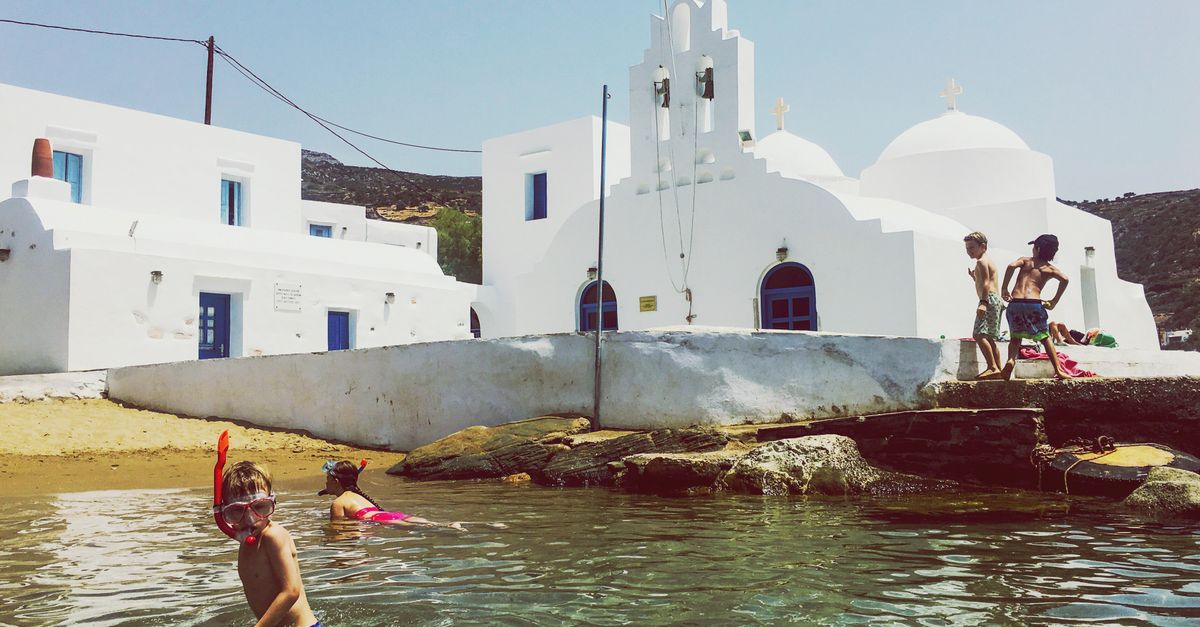
Children enjoying snorkeling near a white church on a Greek island with the Greek flag waving above.
islandOvernight

“The Cycladic island for travelers who care about food — a quietly excellent place that never tries too hard.”

Why this, why here

Sifnos opens the list because it's the easiest possible entry point into slow Greece — a direct ferry from Piraeus, a walkable scale, and a food culture that gives first-timers an immediate, tangible reason the quiet pays off. This is the anchor: if a traveler only tries one island here, it should be this one, because it proves the thesis fastest. No dramatic geology, no remote ferry logistics — just excellent revithada, terraced hill villages, and tavernas that have been doing this the same way for decades. Everything else on this list escalates from here, either in landscape, distance, or effort. Cut nothing from Sifnos; it's the benchmark the rest get measured against.
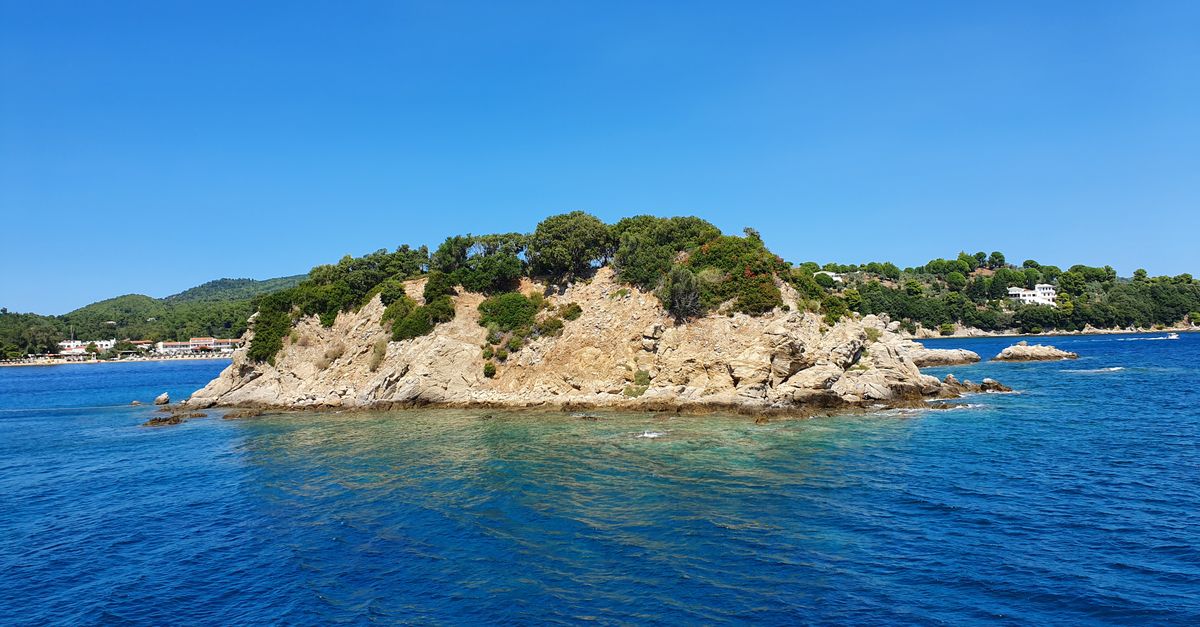
Explore the tranquil beauty of a small island in the Sporades, Greece, surrounded by clear blue sea.
island groupBase

“A green, pine-scented alternative to the Cyclades for travelers who want beaches without the bare-rock aesthetic.”

Why this, why here

Placed second to immediately break the Cycladic assumption — pine forest and green water instead of bare rock and bleached stone. Sporades proves this collection isn't just a tour of lesser-known Cycladic islands; it's a genuinely different Greek landscape, with Skopelos and Alonnisos offering beaches that don't fit the white-and-blue cliché and a marine park built around monk seal conservation. It's the pivot point of the sequence — the moment the list widens before narrowing back into the Cycladic climax of Milos. If the itinerary is tight and beaches aren't the priority, this is the first stop to drop without damaging the trip's logic.

Discover the serene beauty of Milos Island's bay, featuring crystal clear waters, boats, and rocky cliffs.
islandBase

“The most visually dramatic of the lesser-visited Cyclades — coastal geology that rivals Santorini without the crowds.”

Why this, why here

Milos is the visual peak of the sequence, arriving third once Sifnos and the Sporades have established that quiet islands come in very different shapes. Sarakiniko's lunar rock flats and the sea caves at Kleftiko deliver the single most dramatic coastline in this entire collection — proof that skipping the big-name islands doesn't mean skipping spectacle. It sits at the midpoint deliberately, as the payoff before the list shifts toward logistics (Hydra) and remoteness (North Aegean). Don't cut Milos from a Cyclades-focused trip; it's doing a job neither Sifnos nor any other entry here can replicate.

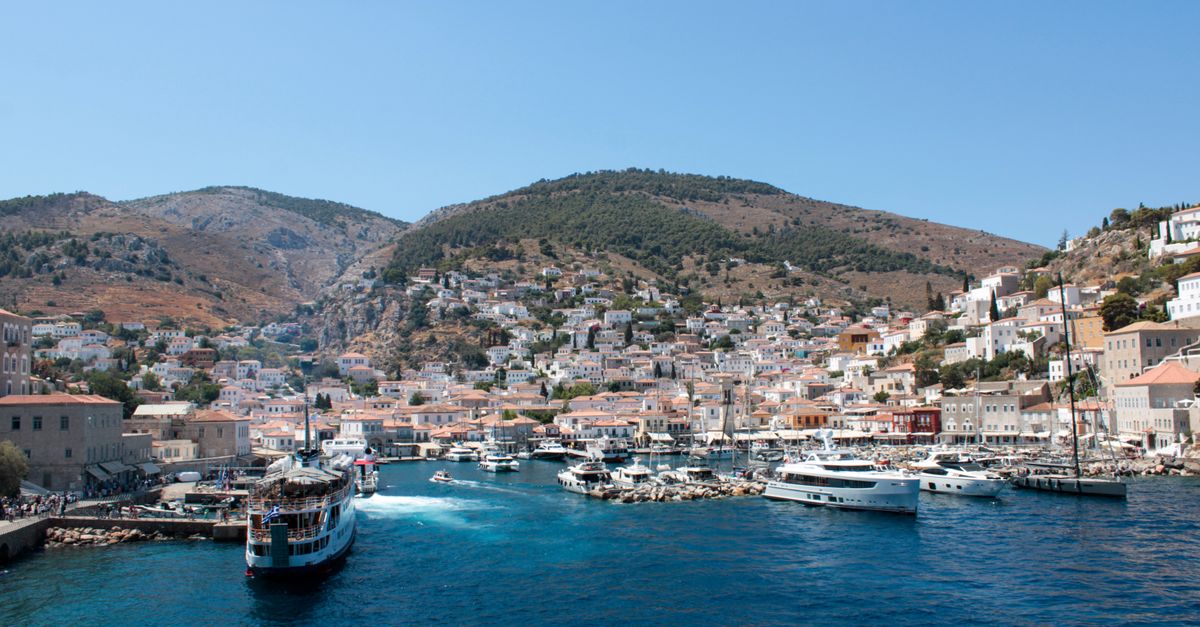
Boats and stone houses around the harbour of Hydra
islandOvernight

“The one Saronic island genuinely worth a short stay — car-free, stone-built, and a fast trip from Athens.”

Why this, why here

Hydra comes fourth as a deliberate reset after the escalation through Sifnos, the Sporades, and Milos. It's the practical entry on this list — no cars, a short hydrofoil from Athens, stone captains' mansions stacked around one harbor — built for bolting onto a trip rather than anchoring one. Its position here isn't a demotion; it's an acknowledgment that not every quiet island needs to be a remote commitment, and that proximity to Athens is a legitimate reason for inclusion on its own. If you're routing through Athens regardless, this is the lowest-cost, highest-return addition on the entire list — don't cut it to save a single day.

Charming seaside town of Kokkari in Greece with boats and beachfront buildings.
island groupBase

“The deep cut for repeat visitors — remote, authentic and largely untouched by mass tourism.”

Why this, why here

The North Aegean closes the list on purpose — it's the deep cut, reserved for travelers who've already proven, via the previous four entries, that they actually want this kind of trip rather than a postcard version of it. Lesvos, Chios, Samos, and Ikaria take longer to reach, offer the least tourist infrastructure, and reward people who don't need their hand held. Placing it last isn't about difficulty for its own sake — it's about sequencing the payoff correctly. First-time quiet-Greece travelers should defer this entry; repeat visitors should skip straight to it. It's the furthest point the list is actually building toward.

The wooded coastline and harbour of Alonissos seen from the sea, with uninhabited islets beyond.
islandWorth a Detour

“The quiet one: a small island inside Europe's largest marine park, with a half-ruined hill village, a working port, and clear water.”

Why this, why here

The quietest of the Sporades, inside Europe's largest marine park, with a half-ruined hill village above the port.

Flat-roofed white houses and a hilltop village on the dry coastline of Skyros in the Sporades.
islandWorth a Detour

“The odd one out among the Sporades: dry, flat-roofed and unwesternised, with a carnival, a hilltop kastro and its own breed of pony.”

Why this, why here

Dry, flat-roofed and unlike the rest of the Sporades: a castle above the town and almost no visitors.

A beach and a coastal village on Ikaria at sunset.
islandBase

“The island where people live longest, and where very little happens: steep green mountains, hot springs and festivals that run until dawn.”

Why this, why here

Mountainous, unhurried and famous for the length of its people's lives; the panigyri festivals run all night.

A quiet beach with calm water and rocky slopes at Astypalea.
islandOvernight

“A butterfly-shaped island with a Cycladic-looking chora, a Venetian castle and almost no visitors.”

Why this, why here

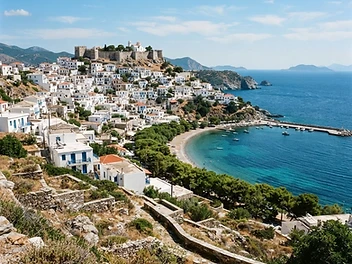
The westernmost of the Dodecanese: a white hill town under a Venetian castle and hardly anyone there.

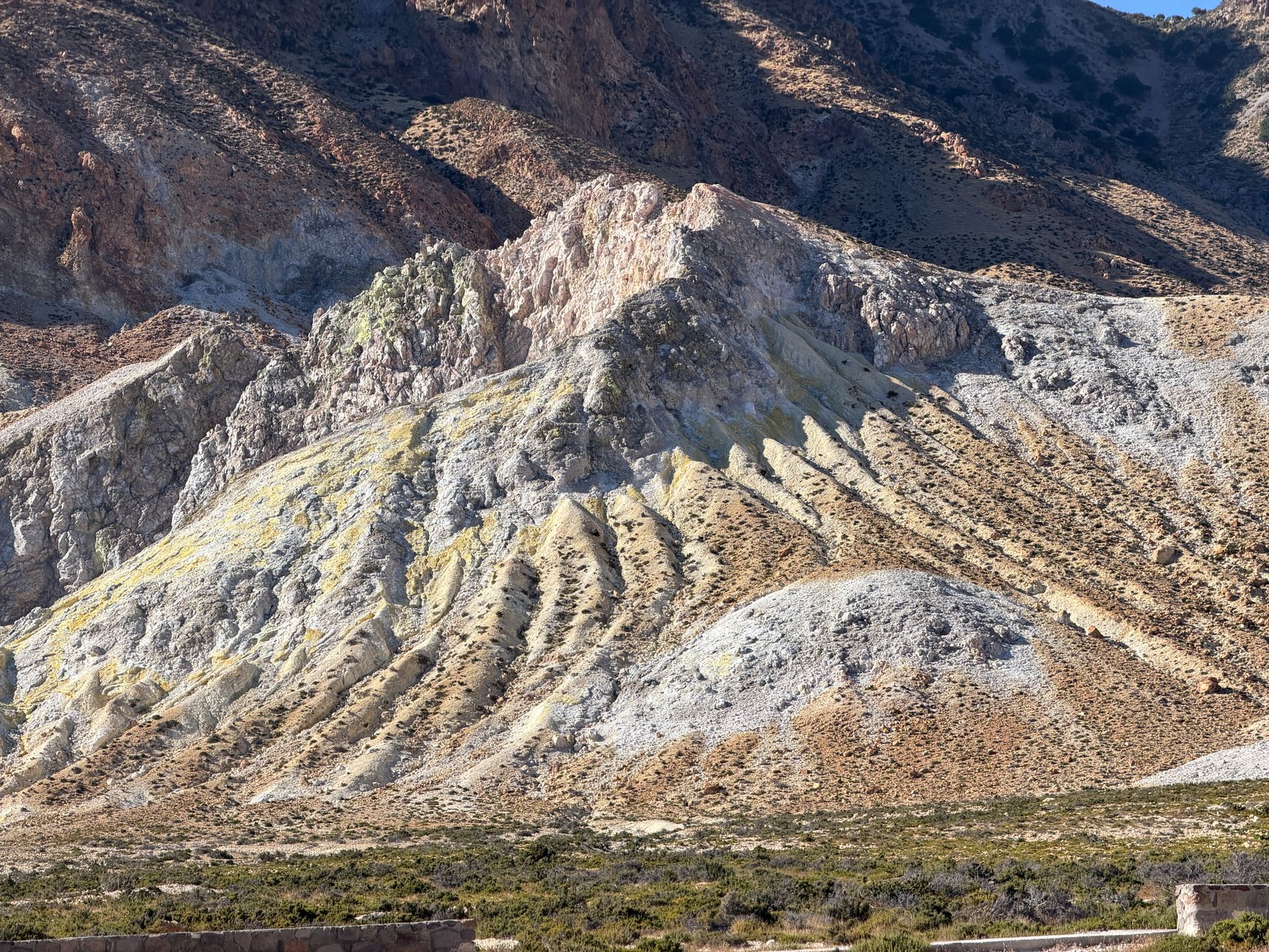
The bare volcanic rock formations of Nisyros, with the caldera beyond.
islandDay Trip

“A whole island that is one volcano, with a crater you can walk into and a harbour town that has barely changed.”

Why this, why here

A volcano with two villages on it, and a crater you can walk down into.