Tsoureki
Photo: Greece Field Guide
The Verdict
Sweet, aromatic braided bread that is the definitive scent of Greek holidays.
Why go
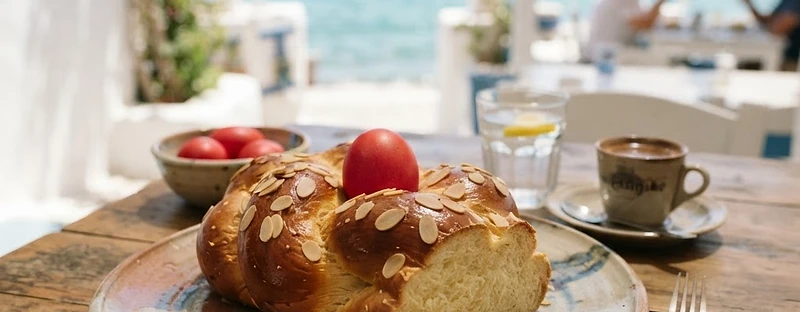
Tsoureki is the staple sweet loaf of Greece, instantly identifiable by its glossy, mahogany-brown crust, pulled-strand interior, and intense aroma. The texture sits between French brioche and challah, but the profile belongs entirely to the eastern Mediterranean. It relies on ground mahlab—the inner kernel of St. Lucie cherry pits—for a warm, nutty bitter-almond note, alongside piney tears of Chios mastic and often orange zest. The crumb pulls apart in distinct, elastic threads when kneaded properly, giving it a chewy richness that avoids feeling heavy. While bound traditionally to Holy Week and Easter Sunday, bakeries in Athens and Thessaloniki sell it year-round. In the north, Thessaloniki's pastry shops elevate it to an obsession, often glazing loaves in dark or white chocolate and stuffing them with chestnut purée. A good slice needs nothing on it, though eating it alongside a bitter Greek coffee cuts through the residual sweetness of the dough. The trade-off lies in freshness and commercial production. Supermarket versions and lesser bakeries rely on artificial essences and dry out into cloying, cake-like bread. To understand the appeal, buy a whole loaf from a dedicated fournos or patisserie early in the morning while the crust remains slightly crisp and the interior retains its soft, fibrous elasticity.
Understand the place
Braided sweet bread scented with mahlab and mastic, brioche-like and hard to stop eating. The smell of Greek Easter in loaf form.
Keep reading
The food & drink guideMore dishes in Greece
Plan this trip
Greece Field Guide helps you decide. When you're ready to arrange it, take your saved places to an itinerary.