Kos
Photo: Greece Field Guide
The Verdict
A green, flat, fertile Dodecanese island with a first-rank ancient site and a bicycle-friendly town — busier and easier than its neighbours.
Why go
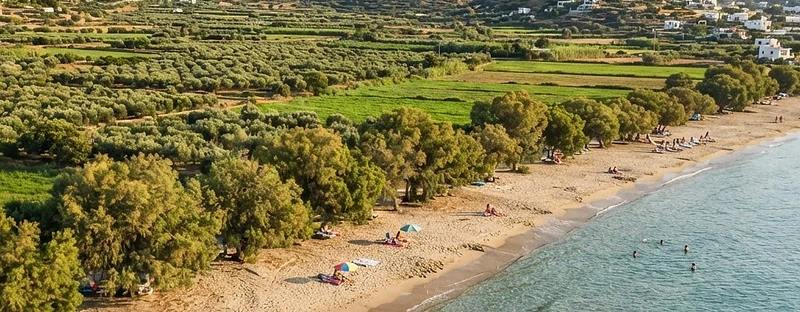
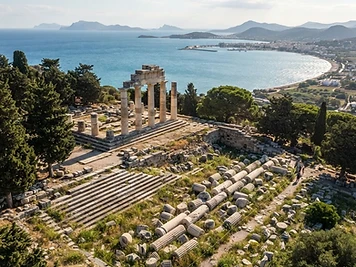
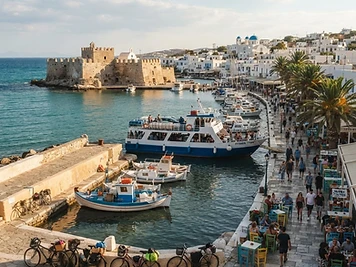
Kos is flatter, greener and more fertile than its neighbours, which is why it has been settled continuously since the Bronze Age. The Asklepion, the sanctuary of healing on a hill above the coast, is one of the most complete ancient sites in the Dodecanese, and Kos Town has a harbour, a castle, a plane tree attributed to Hippocrates and a genuine bicycle culture. The south coast beaches are broad and sandy; the mountains at the west end are quiet, and the drive through them is worth a morning.
Understand the place
The second largest of the Dodecanese, known for the Asklepion, a broad sandy coast and a harbour town that bicycles rather than drives.
The old world
History & archaeology
Towns & villages

Easy to combine with
Logically reachable by transport. Confirm current ferry/flight schedules before booking.
Nearby
Related
Sources
Booking links
Commercial links: we may earn a commission if you book through them, at no extra cost to you.
Plan this trip
Greece Field Guide helps you decide. When you're ready to arrange it, take your saved places to an itinerary.