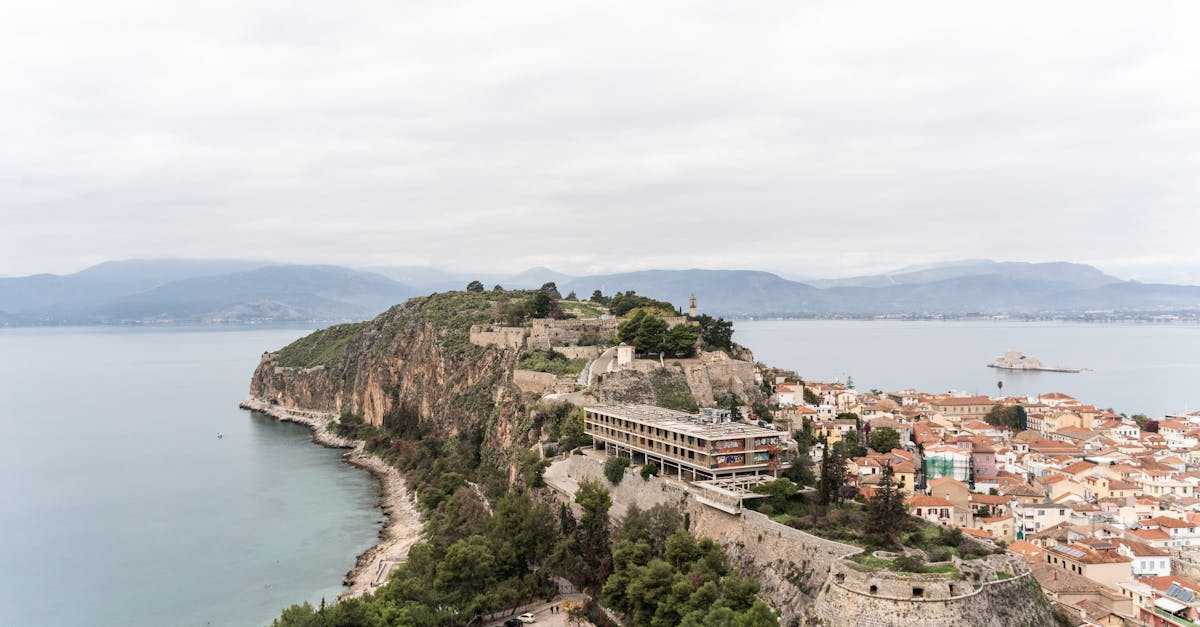
The first five stops are not random — they are a closed loop through the Peloponnese, run before the trip ever turns north. Nafplio comes first in the list because it is first in the logistics: it is the town you sleep in for two nights while you do Mycenae and Epidaurus as day trips, not because it predates them historically. Get this backwards — treat Nafplio as just another sight to tick — and you'll waste half a day moving luggage that could have stayed in one hotel room.
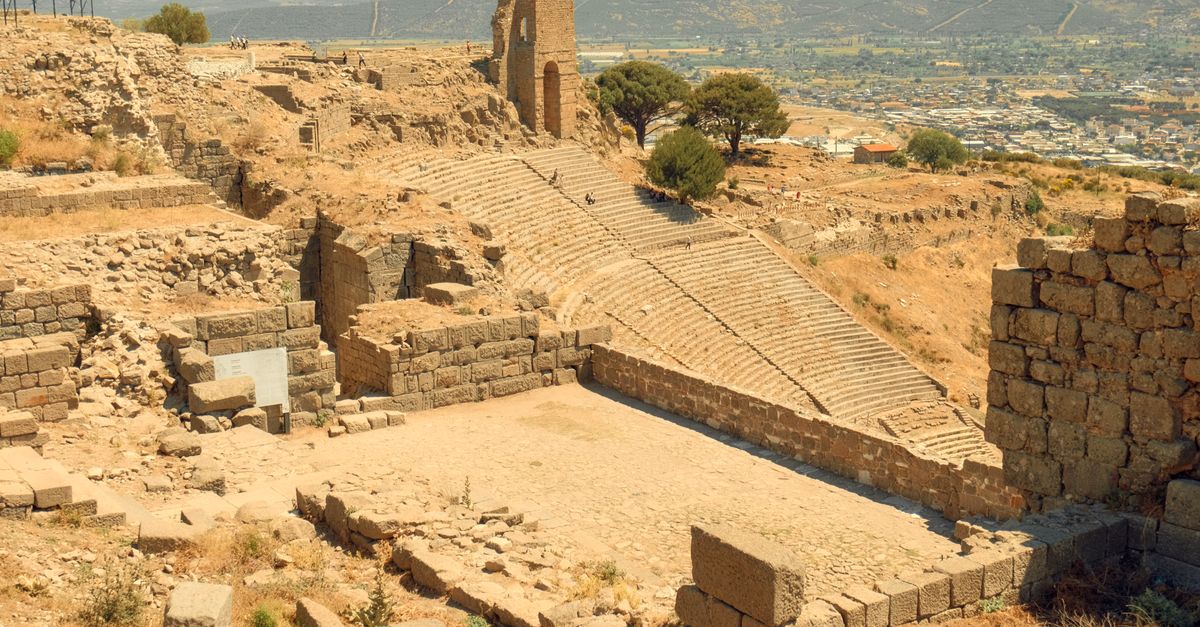
Mycenae and Epidaurus sit back to back for the same reason: both are twenty to thirty minutes from Nafplio in opposite directions, and both demand a morning when the tour buses haven't arrived yet. Mycenae first, because its gates open earlier and the light is better for the Lion Gate before nine a.m. Epidaurus second, because the theatre's acoustics are the kind of thing you want to experience once you're already warmed up on ancient stonework, not as your first ruin of the trip.
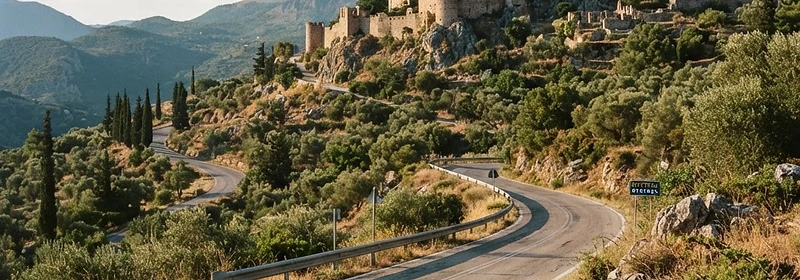
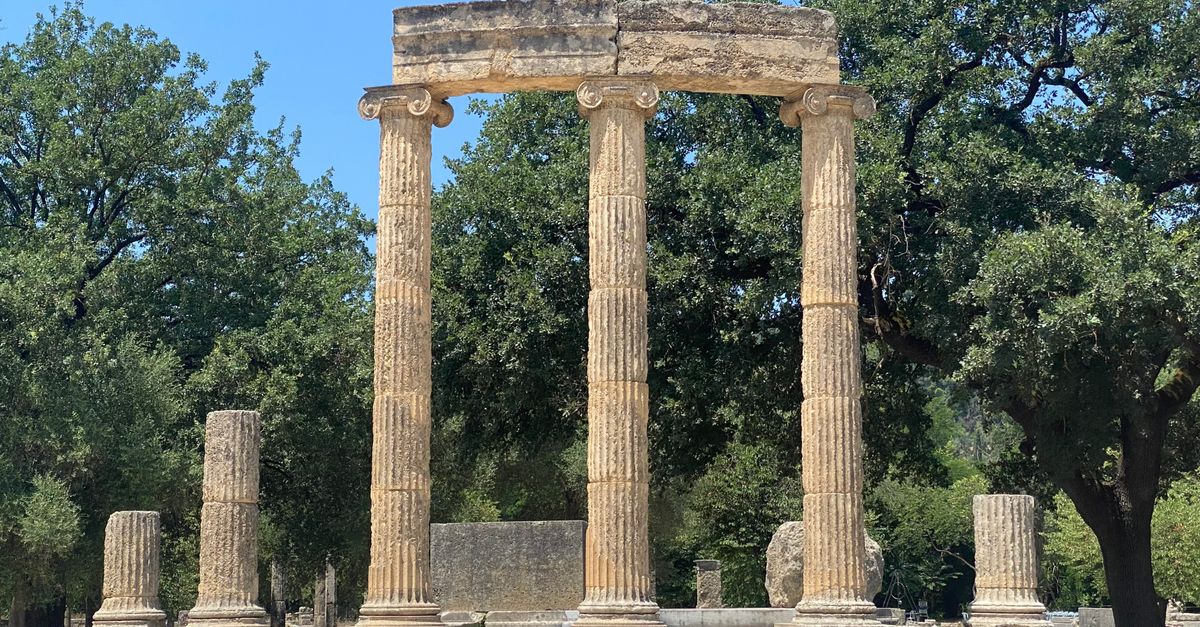
Olympia and Mystras then pull you out of the Nafplio base entirely — west to Olympia, then south to Mystras — because this is the point where the loop closes the Peloponnese before abandoning it. Olympia first because it's the longer drive and deserves a fresh morning; Mystras second because it's a lower-key, denser site that rewards the slower pace of an afternoon after three hours in the car. Reverse this order and you arrive at Mystras exhausted and rush the one Byzantine site in the entire collection.
By the time you leave Mystras, you've covered the Peloponnese's four defining eras — Mycenaean, Classical, Olympic, Byzantine — in a single coherent arc. That's the whole point of putting them in this sequence rather than just listing them by region.