Greece for Families

Editorial collection

Greece for Families

9 min read · 5 places

The Trip, Not the Island

Family travel in Greece runs on different rules than the two-person, ferry-every-three-days version everyone pictures. A toddler does not care about a sunset in Oia. A nine-year-old cares about whether the water near shore is over his head, whether lunch takes forty minutes or ninety, and whether he has to pack a bag again tomorrow. This list is built around those rules, not the usual Greek itinerary logic.

Five things decide whether a Greek island works with kids: shallow entry at the beach (sand, not a ten-meter drop two steps in), enough on the island that you can stay five-plus nights without running out of things to do, food that doesn't require negotiation at every meal, a manageable drive time between the airport or port and where you're staying, and a pharmacy and a doctor within reach if something goes wrong. Crete, Rhodes, Naxos, Corfu and Paros all pass every one of these. Most of the Cyclades do not.

This collection assumes kids somewhere between toddler and young teen, a trip of one to two-plus weeks, and at least one rental car on the bigger islands. It assumes parents who want real time in the water every day, not a tour of churches between transfers.

What's missing is deliberate. Santorini is not here — the caldera towns run on cliffside stairs and the good beaches are a drive and a scramble away. Mykonos is not here — the beaches that matter cost fifty euros a day in sunbed fees and the island's best hours start after a nine-year-old's bedtime. This is not a 'best islands' list. It's a 'this will actually work' list.

Big Islands, Easy Islands

Split these five into two groups and the list makes sense. Crete and Rhodes are large enough and built-out enough to carry an entire trip on their own — multiple bases, real distances, days where you don't see the same village twice. Naxos, Paros and Corfu are single-base islands: rent a place for a week, work outward from it, done.

Crete is the extreme version of the first group — 160 miles tip to tip, a different landscape every two hours of driving, Knossos and Chania and the pink sand at Elafonissi all demanding separate days. Rhodes is the same shape at smaller scale: medieval Old Town with a dry moat kids can run laps in, Lindos stacking an acropolis directly above a genuinely good family beach, and a Dodecanese position that keeps the sea warm into October, after the Cyclades have started cooling.

Naxos, Paros and Corfu don't ask you to move. Naxos has Plaka — a kilometer of shallow sand that barely gets above knee height for fifty meters out — paired with mountain villages like Apeiranthos for the one day you want hills instead of shore. Paros runs smaller and tighter around Naoussa and the rock pools at Kolymbithres, and sits at the center of the ferry network, which matters more than its own sights do. Corfu is the outlier in sea and style: Ionian water instead of Aegean, a green, wetter landscape, a Venetian old town instead of cube houses and blue domes — pick it when the family wants a different Greece, not a quieter version of the Cyclades.

None of these five require cutting corners on comfort to get the history and food that make Greece worth the flight.

Why This Order

The order runs from most self-sufficient to most dependent on being combined with something else — from islands that can be the whole trip to islands that work best as a piece of a bigger plan.

Crete sits first because it needs nothing added. Give it ten to fourteen days and a car and it delivers Minoan ruins, a walkable Venetian harbor in Chania, mountain gorges, and four or five distinct beach characters without ever repeating itself. It's the anchor other islands get measured against, which is why it leads.

Rhodes comes second because it's the same category at a more forgiving scale — a week is enough, the Old Town does real history without a rental car, and the extended warm season makes it the right pick for families locked into school-holiday shoulder months when the Cyclades are already cooling off. It's the alternative anchor, not a lesser one.

Naxos drops to third because it's a notch down in scope — excellent, but a single-base island, not a whole trip — yet it's the strongest choice if the family wants the classic Cycladic look with the best beach in that entire island group attached. Corfu sits fourth deliberately: it's the one to reach for only if Cyclades heat, crowds or aesthetic have already been ruled out — it's the detour, not the default, and the order says so. Paros closes the list because it's the least capable of standing alone and the most useful for connecting everything else — the convenience pick, positioned last because convenience is a supporting argument, not a leading one.

What To Cut

With two weeks, run all five arguments at once: Crete or Rhodes as the long single-island trip, or Naxos plus Paros as a Cycladic pair connected by a fifty-minute ferry. With one week, cut to a single island and stop there — island-hopping with kids under ten burns a full vacation day on each transfer for packing, ferry waiting rooms, and overtired afternoons.

Cut Corfu first if time is short. It sits in the Ionian Sea with no direct ferry to the Cyclades, so combining it with Naxos or Paros means a flight back through Athens — fine for a two-week trip, a waste of a one-week one. Keep it only if Corfu itself is the whole destination.

Cut Rhodes next if you've already chosen Crete; the two don't combine in under two weeks, and asking a family to do both large bases back to back is asking for a trip that's all transfers and no settling in.

If forced to pick exactly one island for a first Greek family trip, pick Crete. If forced to pick two, pick Naxos and Paros — the ferry between them runs multiple times a day and neither needs a car for more than day trips.

How To Use This List

Treat this as a menu, not a checklist. One island per week of actual trip length is the working rule — resist the urge to see more of Greece by moving more; you'll see less of it, tireder.

Match the island to the family's tolerance for driving: Crete and Corfu reward a rental car and a willingness to drive an hour for a different beach; Naxos and Paros reward the opposite, a scooter or short taxi and everything else on foot; Rhodes sits in between, car-optional depending on whether Lindos and the inland villages make the list.

Book the beach-facing days before the ruin-and-town days — kids forgive a missed monastery far faster than a missed beach afternoon, and every island on this list has enough good swimming that the schedule should bend around the water, not the other way round.

Use the verdicts above to break ties, use the order to understand which islands can carry a trip alone and which ones are built to support one, and don't feel obligated to visit all five in a single summer. Three strong weeks beat five rushed ones.

The list, in order

Each place, with the editorial reason it is here and in this position.

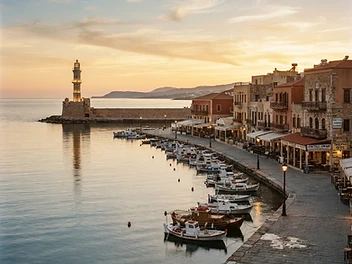
Chania Venetian harbour at golden hour
island groupTrip Anchor

“Crete isn't another island stop — for many travelers it's a whole trip of its own, and the strongest single-island choice in Greece.”

Why this, why here

Crete leads this list because it's the only island here that needs nothing added to make a full family trip — pair it with nothing and it still delivers two weeks of different days: Knossos and the archaeological museum in Heraklion, the Venetian harbor and old-town streets in Chania, the shallow pink-sand lagoon at Elafonissi, the White Mountains for cooler inland days. It requires a rental car and real driving, which some families with very young kids will find tiring over distances, but that's the tradeoff for not repeating a single afternoon in ten days. Everything else in this collection gets measured against what Crete does on its own — that's why it's first, not just biggest.

The coast and walled city of Rhodes from the air
islandTrip Anchor

“The best Dodecanese island for a first visit — medieval history, family beaches, and a season that runs later than the Cyclades.”

Why this, why here

Rhodes is the second anchor, included because it does what Crete does — carry a full trip solo — at a more forgiving size and with a longer swimming season. The Old Town's dry moat and stone streets give kids space to run without traffic, Lindos stacks ruins directly above a shallow, protected beach, and the island's position in the Dodecanese keeps the sea warm into October, after the Cyclades have cooled. It's placed right after Crete, not alongside Naxos or Paros, because it belongs in the same category: a whole-trip island, just a week-sized version instead of a two-week one. Choose it over Crete for less driving, not less substance.

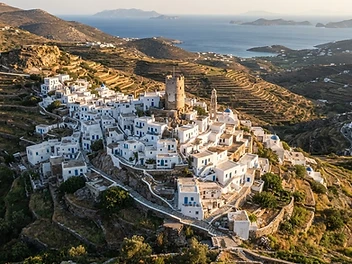
Cycladic mountain village in Naxos above the Aegean
islandBase

“One of the strongest all-around Cycladic islands if you want beaches, mountain villages and excellent food without Santorini's spectacle or Mykonos's nightlife focus.”

Why this, why here

Naxos drops to third because it's a single-base island, not a whole-trip one — but within that category it's the strongest Cycladic choice here. Plaka beach is the best family beach in the island group: a kilometer of sand with water that stays knee-deep well past where most kids will wade, and the mountain villages inland, Apeiranthos especially, give the one non-beach day real content instead of a filler excursion. It sits below Crete and Rhodes in rank only because of scale, not quality — a week here, built around the beach with one or two inland detours, is close to a perfect single-base family week.

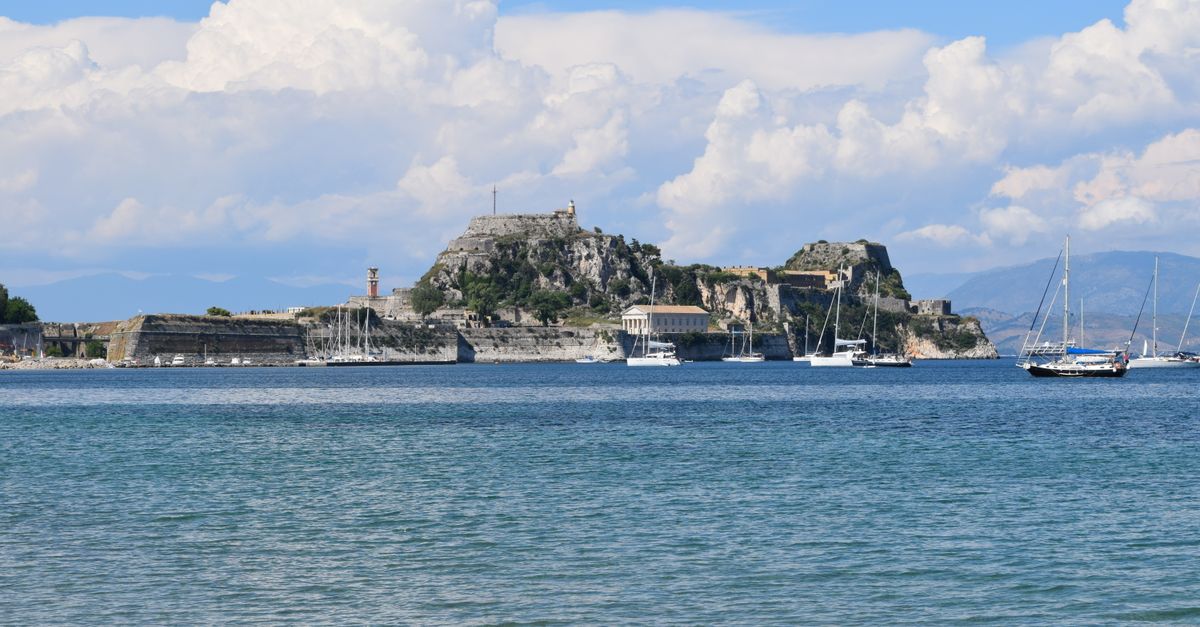
Scenic view of Corfu's old fortress and sailboats under a blue sky.
islandBase

“The Ionian island with the most character and history — choose it for green landscapes and a Venetian old town, not for bare Cycladic white.”

Why this, why here

Corfu is positioned fourth on purpose: it's the detour, not the default. Everything above it runs on Aegean water and Cycladic or Dodecanese looks; Corfu is Ionian, greener, wetter, built around a Venetian old town and the Achilleion rather than whitewash and blue domes. It belongs on the list because it genuinely works for families — Paleokastritsa's coves are calm and shallow, the old town is stroller-walkable, the landscape gives shade that the Cyclades don't — but it doesn't connect by ferry to the other four islands here, which is the real reason it ranks below Naxos. Pick it when you want a different Greece, not a quieter one.

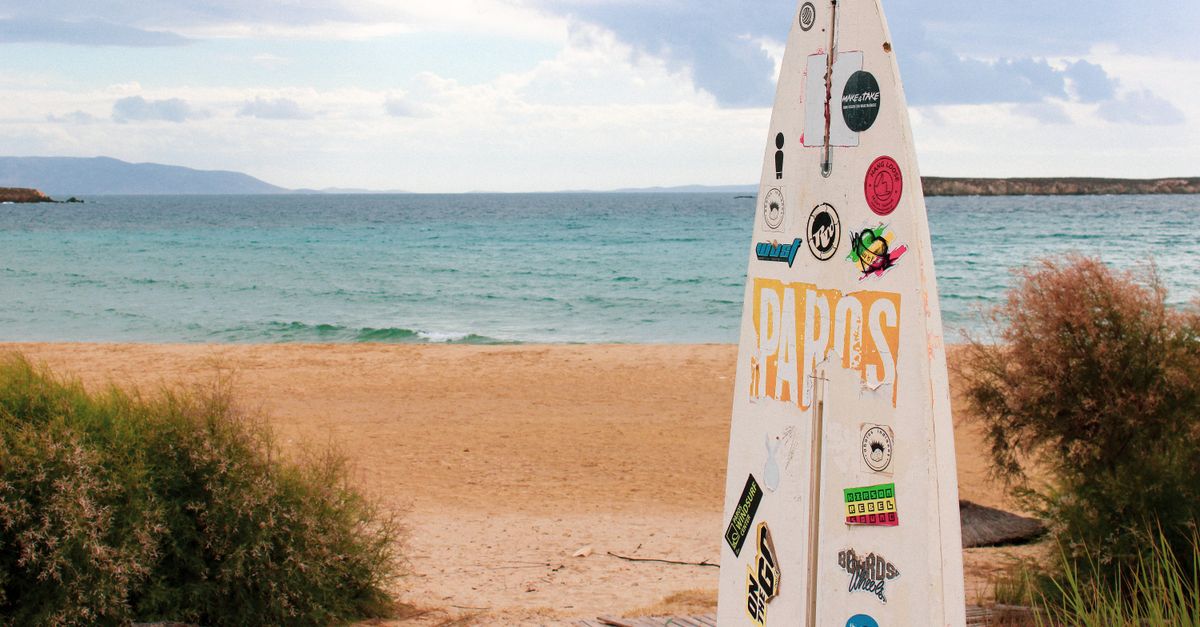
A surfboard with stickers on Paros beach with cloudy skies and a tranquil sea.
islandBase

“The most convenient base for Cyclades island hopping, with enough of its own character to stand alone.”

Why this, why here

Paros closes the list as the connector, not the climax. It has real character of its own — Naoussa's harbor, the rock pools at Kolymbithres, a town center that doesn't shut down at 9pm — but its main job here is logistics: it sits at the center of the Cycladic ferry network and pairs with Naxos in under an hour, making the two-island combination that works best for families who want variety without the transfer fatigue of true island-hopping. It ranks last not because it's weakest but because its strongest argument is convenience, and convenience is a supporting reason to visit, not a leading one.