Greece for Couples

Editorial collection

Greece for Couples

9 min read · 6 places

The Couple This List Serves

This isn't a list for people who want to see all of Greece in nine days. It's for two people who want three or four places done right — a long dinner that runs past midnight, a harbor bar you return to twice, a balcony you actually sit on instead of photographing and leaving. If your trip has a spreadsheet with twelve stops on it, this guide will frustrate you. If it has four stops and a lot of unscheduled afternoons, it will work.

The six places here were chosen because they reward slowness. Each has a built-in reason to sit still: a sunset in Oia, a swim schedule in Milos, a port-side ouzo in Hydra, a dinner table in Sifnos, a fortress view in Nafplio, a harbor walk in Chania. None of them need you to do anything. That's rare in Greece, where half the famous spots require a rental car, a hike, or a ferry transfer to actually earn the view.

This is also a guide for people traveling with a finite number of nights and a finite amount of patience for crowds. Some of these places are busy — Oia especially — and we don't pretend otherwise. We tell you when the crowd is the price of admission and when it isn't.

Finally, this is for couples who care about the meal as much as the view. Three of the six — Sifnos, Nafplio, Chania — are here partly because the food is good enough to plan an evening around, not just fuel a day of sightseeing.

Spectacle Versus Substance

These six places split into two families. The first is built on a single overwhelming visual moment: Oia's caldera sunset, Milos's white rock coves, Hydra's car-free stone harbor. You go for the scene, and the scene delivers, but you're aware the whole time that you're one of many people having the same experience in the same spot.

The second family is built on texture rather than spectacle: Sifnos's villages and kitchens, Nafplio's streets and fortresses, Chania's old town and market. Nobody comes to Sifnos for one photo. You come for four days of good meals and quiet walks, and the reward accumulates instead of arriving all at once.

Geography splits them too. Oia, Milos, and Hydra are islands, each requiring a ferry and each demanding you build your schedule around boat times. Sifnos is an island as well, but a quieter one that doesn't ask for your full attention the way Santorini does. Nafplio and Chania are mainland and Crete respectively — places you can drive to or from, with real day-trip options attached (Mycenae and Epidaurus from Nafplio, the White Mountains and Samaria Gorge region from Chania).

What unites all six, despite these differences, is walkability. You can cover each on foot after you arrive, no car required for the core experience. That single trait is why they made this list and a dozen other postcard-worthy Greek towns didn't.

Why This Order Works

The order here isn't geographic — it's a curve, running from spectacle to substance. Oia opens the list because it's the place every couple is told to see, the one with the single most famous view in the country. We put it first and we're honest about what it costs: shoulder-to-shoulder crowds at the Castle viewpoint every evening, restaurant prices inflated by the postcard, and a village that empties of charm the moment the sun drops. You go for one specific, enormous payoff. Get it out of the way first.

Milos follows because it delivers comparable visual drama — Sarakiniko's lunar white rock, Kleftiko's sea caves — without Oia's density of other tourists doing the same thing you are. It's the same genre of trip, turned down one notch in crowd and up one notch in actual room to breathe.

Hydra comes third as the hinge point: still an island, still built for a view, but now the pace has slowed further. No cars, no scooters, just donkeys and foot traffic and a harbor you can sit beside for three hours without anyone rushing you along. By the time you reach Sifnos at the midpoint, the trip has shifted entirely from watching to living — slow lunches, market stalls, a chickpea stew nobody's trying to sell you as an experience.

Nafplio and Chania close the list because they're not single scenes at all — they're small cities you could spend a week in and not exhaust. They ask the most of you in terms of planning (day trips, longer stays, regional context) and give back the most in terms of daily life quality: better restaurants, more to walk through, fewer single-purpose tourist streets. Putting them last means the trip ends on the places with the most depth, not the most Instagram traffic.

What To Cut First

If you only have five nights, drop Milos. It's the best-looking island on this list after Oia, but it duplicates what Oia already gives you — dramatic coastline, island ferry logistics, beach-hopping days — without adding a different kind of experience. Keep Oia for the spectacle, cut Milos, and put those two or three days into Sifnos instead.

If you have to choose one mainland base over the other, choose based on what bookends your trip. Nafplio makes sense if you're flying into Athens and want a slower, prettier alternative to a hotel near the airport before or after island-hopping. Chania makes sense if Crete is already on your itinerary for other reasons — a wedding, a specific beach, family — and you want a town base rather than a resort.

Don't cut Hydra to save a day. It's the shortest, easiest addition on this list — a fast boat from Piraeus, no island-hopping logistics required — and it does something none of the others do: a genuine car-free town within range of Athens for people who don't have four island-hopping days to spare.

Sifnos is the first thing people cut when they're rushed, and it's the one we'd protect hardest. It has no single iconic view to justify itself on a highlight reel, which is exactly why it still feels unclaimed by mass tourism.

How To Use This

Read the list in order the first time, because the order is the argument: start big and crowded, end quiet and textured. On a real itinerary, you don't need to visit all six in this sequence — ferry logistics in the Cyclades and Saronic Gulf won't allow it cleanly anyway — but when deciding what to add or drop, respect the direction. Front-load spectacle, back-load substance.

Use Oia as a two-night maximum stop, not a base. Use Milos and Hydra as three- to four-night island stays where the agenda is swimming and walking, not sightseeing. Use Sifnos as the stay you don't plan heavily — let the days happen. Use Nafplio and Chania as actual bases, four to six nights, from which you do day trips and come home to a proper dinner each night.

If you're building a two-island-plus-mainland trip, a workable skeleton is: Oia (2 nights), Sifnos (3 nights), Nafplio (4 nights) — hitting the obligatory view, the quiet food island, and a mainland base with real archaeological payoff, without needing to also cover Milos, Hydra, and Chania in one go.

This list isn't a ranking of which island is objectively best in Greece. It's a ranking of which places serve a couple trying to slow down, in the order you should prioritize them when time runs short. Read the verdicts, trust the order, and cut from the bottom of the quiet end only if you must — not from the top.

The list, in order

Each place, with the editorial reason it is here and in this position.

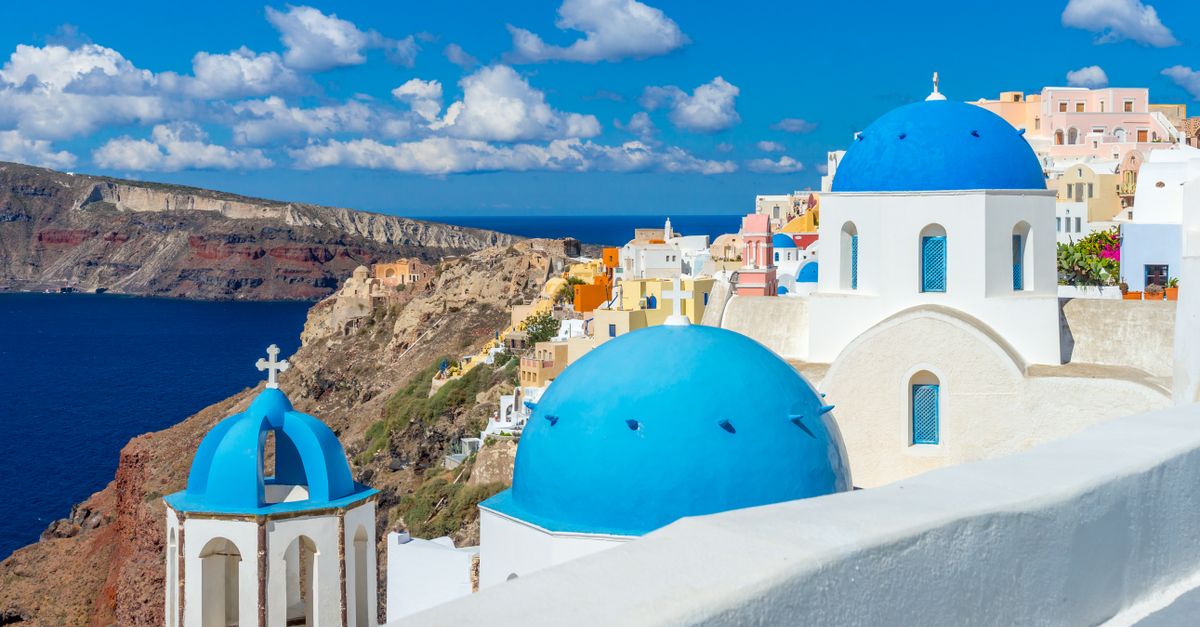
Blue-domed churches above the caldera at Oia, Santorini
01Oia
townOvernight

“The most photographed village in Greece — stay here for the view, not for peace and quiet.”

Why this, why here

Oia leads because it's the obligation, not the discovery — the one view every couple is told they need, and the one place on this list where we tell you upfront the crowds will test you. It goes first so you get the big, famous, slightly exhausting payoff out of the way before the trip shifts toward quieter rewards. Two nights is the right dose: enough to get the sunset without a day trip's rush, not so many that the crowd fatigue outweighs the view. Everything after Oia on this list is a comedown in spectacle and an upgrade in peace — which is exactly the point of putting it first.

Discover the serene beauty of Milos Island's bay, featuring crystal clear waters, boats, and rocky cliffs.
islandBase

“The most visually dramatic of the lesser-visited Cyclades — coastal geology that rivals Santorini without the crowds.”

Why this, why here

Milos sits second because it's Oia's spectacle without Oia's density — the same genre of trip, dialed down one notch on crowd and up one notch on room to actually enjoy the coastline. Sarakiniko's white rock and Kleftiko's sea caves rival Santorini's caldera for visual drama, but you're not sharing the view with three cruise ships' worth of people. It's the first stop where the pace starts to slow and the days stop being about chasing a single photo. If the itinerary is tight, this is the first cut — not because it's weak, but because it overlaps with what Oia already delivers.

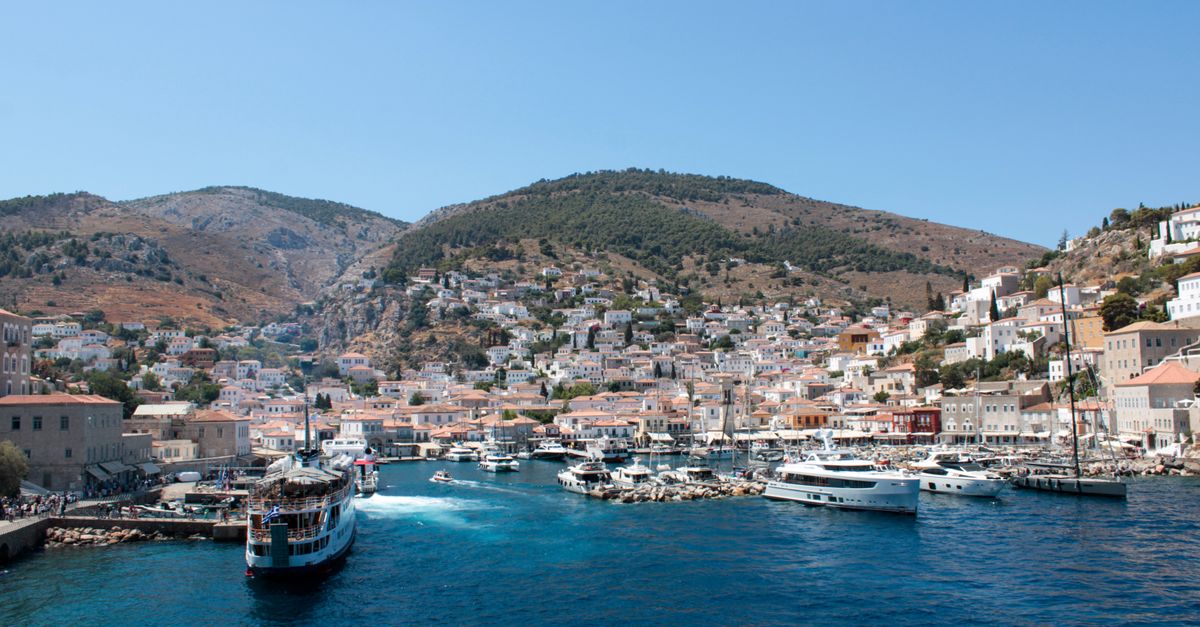
Boats and stone houses around the harbour of Hydra
islandOvernight

“The one Saronic island genuinely worth a short stay — car-free, stone-built, and a fast trip from Athens.”

Why this, why here

Hydra is the hinge of the list — still island spectacle, but the first place where the pace genuinely drops. No cars, no scooters, just a stone harbor and donkeys doing the hauling, reachable by a short boat from Piraeus without any island-hopping logistics. It's placed third because it marks the turn from watching a view to inhabiting a town, and it's the easiest, lowest-commitment addition on this entire list — a couple of nights, no ferry gymnastics required. Cutting Hydra to save time is a mistake most people regret; it costs almost nothing and gives back a full, slow, car-free day.

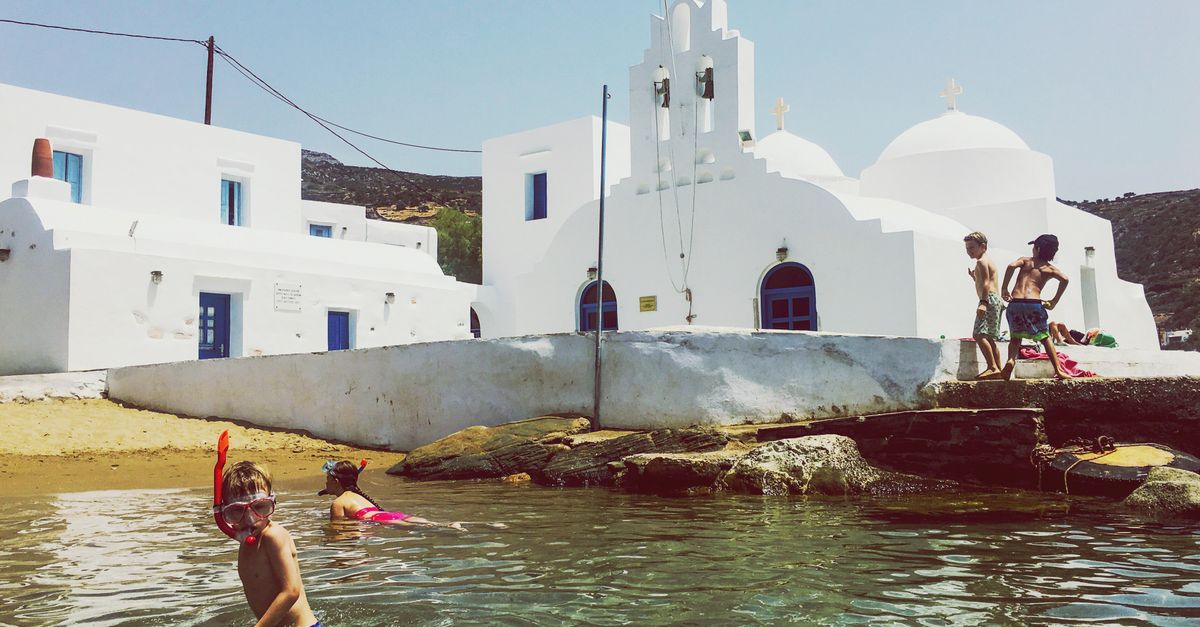
Children enjoying snorkeling near a white church on a Greek island with the Greek flag waving above.
islandOvernight

“The Cycladic island for travelers who care about food — a quietly excellent place that never tries too hard.”

Why this, why here

Sifnos is the midpoint and the one we'd protect hardest if the trip gets shortened. It has no single iconic view to sell itself on, which is exactly why it still feels unclaimed — the days here are built around markets, village walks, and a chickpea stew nobody's performing for tourists. It sits fourth because this is where the trip fully tips from spectacle to substance: nothing demands your attention, so you finally stop scheduling and start living. Couples who skip Sifnos because it lacks a postcard moment are skipping the best dinners on this entire list.

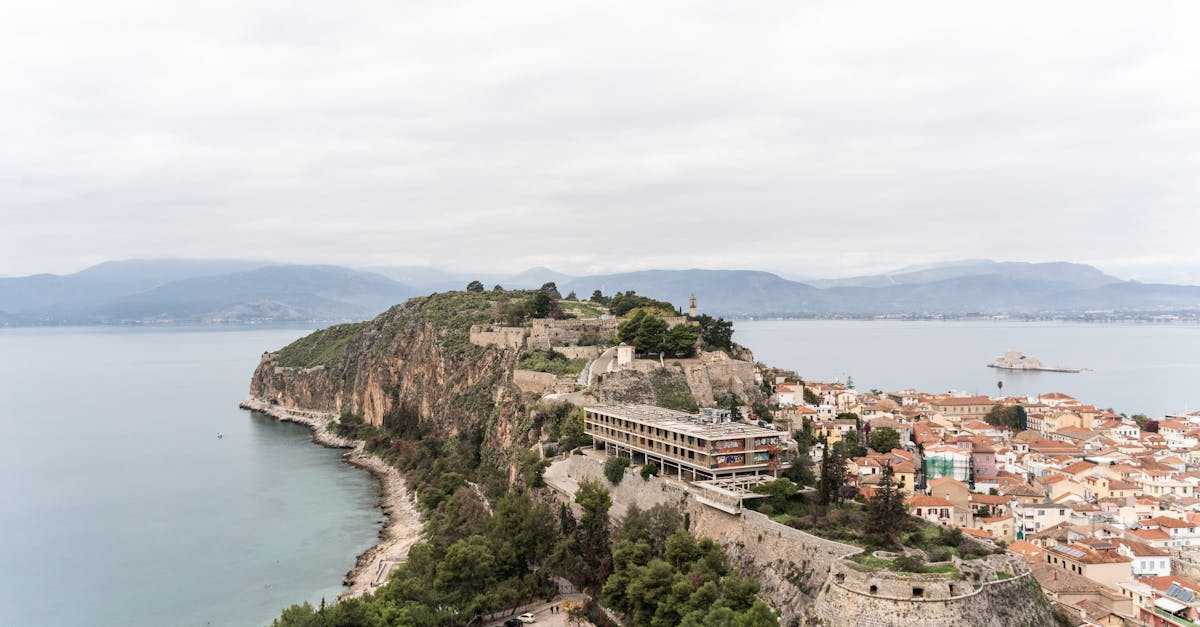
Explore the timeless beauty of Acronauplia Fortress overlooking Nafplio's coastline in Greece.
townBase

“The most elegant small town in the Peloponnese and the best base for exploring Mycenae and Epidaurus.”

Why this, why here

Nafplio opens the final pair — the shift from islands to a mainland base you could actually live in for a week. It's placed fifth because it asks more of you than the islands before it: real day-trip planning to Mycenae and Epidaurus, a fortress to climb, a town with enough streets and restaurants to reward repeat visits rather than one scenic walk. It works as a bookend to an Athens flight, slower and better-looking than an airport hotel, and it's the stronger choice if your trip starts or ends on the mainland rather than in Crete.

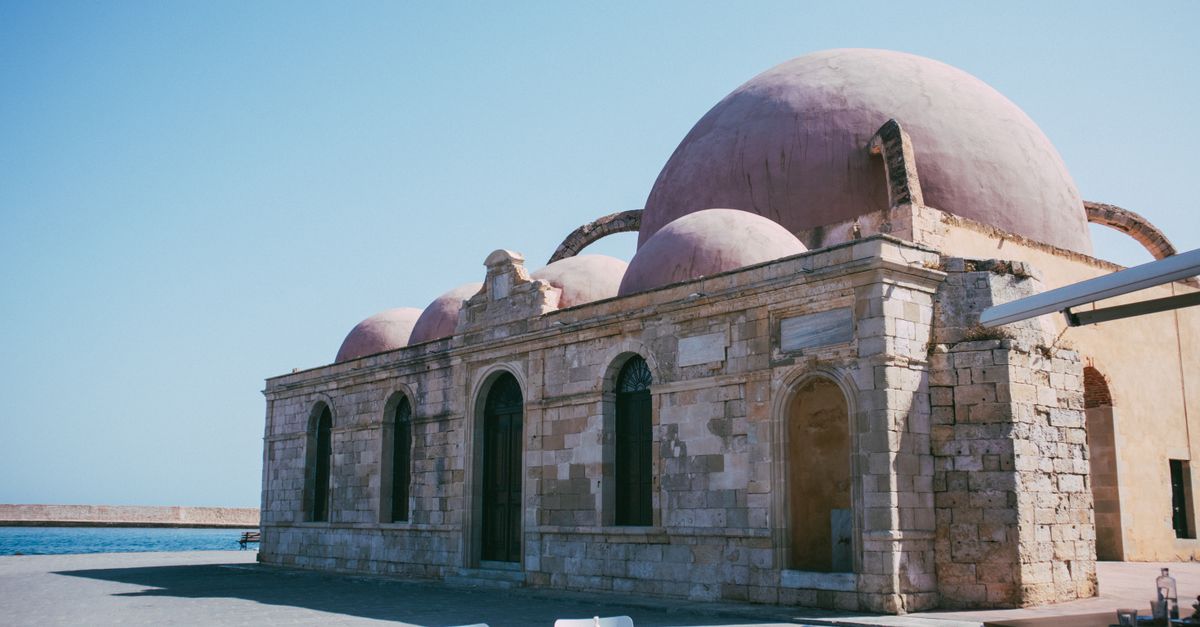
View of a historic Ottoman mosque with domed architecture by the sea.
cityBase

“The strongest base in Crete — a Venetian old town good enough to be a destination on its own.”

Why this, why here

Chania closes the list because it has the most depth of any place here — a working harbor town, not a single scene, strong enough to justify four to six nights with day trips built around it rather than the other way around. It's last by design: after five places built on a single standout feature, this is the one with no obvious gimmick, just a Venetian old town that keeps giving across a full week. If Crete is already part of the trip for other reasons, Chania is the base that makes the rest of the island make sense.